Effects of Drugs on Mental Health

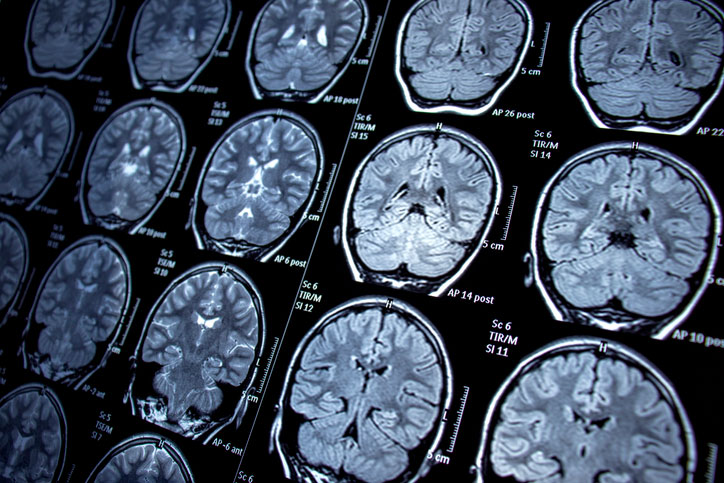
Drug use alters brain chemistry in ways that affect mood, judgment, and emotional regulation. Regular use rewires the brain’s reward circuits, making it harder to feel pleasure without the substance. Over time, this can trigger or worsen anxiety, depression, psychosis, and other mental health conditions that persist long after someone stops using.
Drug addiction doesn’t just change behavior. It changes the brain itself. The psychological effects of drugs can develop quickly, and for many people they don’t fully reverse when use stops. Understanding what’s actually happening inside the brain helps explain why addiction is so hard to break and why professional support matters so much.
Millions of Americans are affected. According to the 2020 National Survey on Drug Use and Health (NSDUH), roughly one-third of young adults ages 18 to 25 reported using illicit drugs or misusing prescription drugs in the past year. Those numbers don’t exist in a vacuum. Behind each one is a person whose mental health is being shaped by forces most people don’t fully understand.


How Addiction Affects Mental Health
The National Institute on Drug Abuse (NIDA) defines addiction as a chronic, relapsing disorder driven by compulsive drug-seeking despite harmful consequences. But that clinical description doesn’t fully capture what the condition does to a person. The effects of drugs on mental health aren’t limited to the acute high. They extend to mood stability, cognitive function, and the capacity to experience normal pleasure — areas that define quality of life every single day.
What makes addiction particularly difficult is that the mental health consequences can take months or years to become visible. In some cases, a person may maintain their job, their relationships, and most of their daily routine while the damage accumulates. By the time the effects surface clearly, the brain may already show measurable changes.
How Drugs Affect the Brain
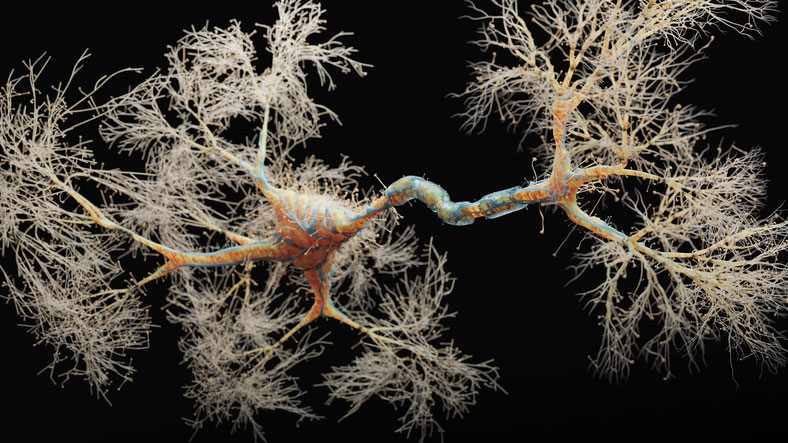
The brain regulates everything through interconnected circuits: consciousness, memory, emotion, judgment. Drugs disrupt this system by triggering the release of neurotransmitters like dopamine, serotonin, and GABA in amounts far exceeding typical natural levels.
Dopamine is the key player. It activates the brain’s reward circuit, creating feelings of pleasure and euphoria. According to NIDA’s research on drugs and the brain, when a drug floods the system with dopamine, the effect is far more intense than anything a natural reward would produce. The brain registers this as significant and begins forming a strong association between the drug and pleasure.
Over time, the brain adapts. It downregulates its own dopamine production, making everyday experiences feel flat or unrewarding. This is one reason long-term users often describe difficulty enjoying things they once found meaningful — the reward system has been recalibrated around the substance.
The Science of Addiction
Addiction is recognized as a brain disorder, not a moral failing. Once the reward circuit has been repeatedly hijacked by drugs, the physical structure of the brain begins to change. As the Genetic Science Learning Center at the University of Utah describes, long-term drug use causes the regions responsible for judgment, decision-making, and memory to physically change, making certain behaviors become deeply ingrained patterns.
This is why someone who hasn’t used a drug in years can still experience powerful cravings triggered by a smell, a place, or a person they associate with past use. The brain’s memory systems have linked those cues to reward so deeply that the association persists even when the person’s conscious mind no longer wants the drug.
Some substances are particularly fast-acting in this regard. Opioids, cocaine, methamphetamines, alcohol, and nicotine are widely considered among the most addictive substances due to their rapid and intense effects on dopamine systems. The gap between first use and dependency can close quickly, which is why even occasional use of certain substances carries real risk.
The Dual Diagnosis Connection
Many people who develop substance use disorders aren’t simply chasing a high. They’re managing pain. Anxiety, depression, trauma, and untreated mental illness frequently drive people toward substances as a way to cope — a pattern clinicians call self-medication.
The problem is that while drugs may offer short-term relief, they tend to worsen the underlying condition over time. Someone using alcohol to quiet anxiety will likely find their anxiety more intense during the periods between drinks. Heavy or frequent cannabis use has been linked to an increased risk of psychosis, particularly in individuals with genetic or other risk factors.
When a person has both a substance use disorder and a co-occurring mental health condition, clinicians call it a dual diagnosis. According to SAMHSA, co-occurring disorders are common and treating one without the other rarely produces lasting results. Mental health treatment and addiction recovery need to happen in an integrated way. That’s one reason the professionals doing this work need to be trained in both areas.
Signs of Substance Abuse
Addiction doesn’t always look the way people expect. Many who struggle with substance use disorders maintain jobs, relationships, and daily routines for a long time. That doesn’t mean the effects of drugs on their mental health aren’t already at work.
Signs You May Have a Drug Addiction
If you’re concerned about your own relationship with a substance, these warning signs are worth taking seriously:
- Your tolerance has increased, and you need more of the substance to feel the same effect
- You spend significant time thinking about, obtaining, or recovering from the drug
- You’ve tried to cut back and found you couldn’t
- You feel anxious, irritable, or physically unwell when you don’t use
- You keep your drug use separate from other parts of your life
- You feel the need to hide how much or how often you use
Signs a Loved One May Have a Drug Addiction
Spotting addiction in someone you care about can be even harder than recognizing it in yourself. Look for these patterns:
- Frequent mood changes that seem to have no clear external cause, especially irritability and withdrawal
- Shifts in social circles or time spent in unfamiliar places
- Unexplained financial strain or repeated requests for money
- Changes in daily routine, hygiene, or sleep patterns
- Dishonesty about where they’ve been or what they’ve been doing
- Physical signs such as slurred speech, bloodshot eyes, changes in pupil size, or unexplained weight changes
If you recognize these signs in someone close to you, know that bringing it up comes from care. It’s a hard conversation. It’s also the right one.

Strategies to Fight Addiction
Recovery from substance use disorder is possible, but it’s rarely a single event. It’s a process, and the most effective approaches address both the addiction and the psychological effects of drugs that have accumulated over time.
Behavioral Counseling
Cognitive behavioral therapy (CBT) and other evidence-based approaches help people identify the thought patterns and emotional triggers that drive drug use. A behavioral counselor can work one-on-one or in group settings, addressing not just the addiction itself but the anxiety, depression, and trauma that often accompany it.
Counseling also extends to families. The people closest to someone with a substance use disorder are affected too, and professional support can help them process what they’ve been through and figure out how to help without enabling.
Detox and Medication-Assisted Treatment
For some substances, stopping use abruptly triggers withdrawal, which is the brain’s response to suddenly losing the chemical it’s been relying on. In these cases, medically supervised detox and medication-assisted treatment (MAT) can make recovery safer and more manageable. Medications may help reduce cravings, ease withdrawal symptoms, and lower the risk of relapse during the early stages of recovery.
The Most Effective Strategy to Fight Substance Abuse: Prevention
Prevention is widely considered one of the most effective long-term strategies for addressing addiction. Research consistently shows that early drug use increases the likelihood of developing an addiction later. Evidence-based prevention programs, like those supported by the CDC and NIDA, use proven educational strategies to reduce tobacco, alcohol, and drug use among young people. The earlier those conversations start, the more effective they tend to be.
Becoming a Substance Abuse Counselor
If this topic connects to a career path you’re considering, substance abuse counseling puts you directly in the work of helping people understand what’s happening in their minds and find a path through it. Among the responsibilities of a substance abuse counselor:
- Helping clients understand the nature and causes of their addiction and its effects on mental health
- Supporting clients through the process of reducing dependency and building healthier coping strategies
- Providing resources to help clients build support networks outside of treatment
- Giving trauma-informed support to families who have been affected by a loved one’s addiction
The role is practiced in treatment centers, hospitals, community health organizations, and private practice settings. Requirements vary by state, but most paths involve a bachelor’s or master’s degree in counseling or a related field, followed by supervised clinical hours and a licensing or certification exam.
Frequently Asked Questions
Can drug use cause a permanent mental illness?
In some cases, chronic drug use can contribute to long-lasting or persistent mental health conditions such as depression, anxiety disorders, and psychosis. Heavy or frequent cannabis use has been linked to an increased risk of developing psychosis in people with certain genetic predispositions. Whether effects are lasting depends on the substance, how long it was used, and the individual’s biology and mental health history.
What is a dual diagnosis?
A dual diagnosis means a person has both a substance use disorder and a co-occurring mental health condition, such as depression, anxiety, or PTSD. Treating both together tends to produce much better outcomes than treating either one in isolation. Integrated care programs, where addiction recovery and mental health treatment happen together, are considered the standard of care for dual diagnosis.
Why is addiction considered a brain disorder?
Because it involves measurable, physical changes to brain structure and function. Drug use alters the reward circuits, judgment centers, and memory systems in ways that affect behavior long after use stops. NIDA and the American Society of Addiction Medicine both classify addiction as a chronic brain disorder, not a character flaw or a lack of willpower.
What’s the difference between drug dependence and addiction?
Dependence means the body has adjusted to a substance and experiences withdrawal when it’s removed. Addiction involves compulsive use despite harmful consequences, driven by changes to the brain’s reward and decision-making systems. A person can be physically dependent on a prescribed medication without being addicted to it. The two concepts often overlap, but they’re not the same thing.
What type of professional treats addiction-related mental health issues?
Several types of licensed professionals are trained for this work: licensed substance abuse counselors, licensed professional counselors (LPC), licensed clinical social workers (LCSW), and psychiatrists. The right fit depends on whether the primary need is counseling-based, medication-based, or a combination of both.
Key Takeaways
- Addiction physically changes the brain in regions responsible for judgment, memory, and decision-making, with effects that can persist long after drug use stops
- The relationship between substance use and mental health runs in both directions. Mental illness can drive drug use through self-medication, and drug use can cause or worsen mental illness
- Dual diagnosis is common. Having both a substance use disorder and a co-occurring mental health condition requires integrated treatment that addresses both simultaneously
- Effective treatments exist, including behavioral counseling, medication-assisted treatment, and evidence-based prevention programs with strong track records
- Substance abuse counselors are central to recovery, helping clients understand the psychological effects of drugs and build the skills and support needed to move forward
Considering a career in substance abuse counseling? Explore degree programs, licensing requirements in your state, and what the day-to-day work actually involves.