MSW Programs in Nebraska | Master of Social Work Degree Guide
Nebraska has two CSWE-accredited MSW programs: the University of Nebraska Omaha (UNO) and Nebraska Wesleyan University (NWU). Both offer traditional and advanced standing tracks, with online and hybrid formats available. An MSW opens the door to licensure as a Certified Master Social Worker (CMSW) or Licensed Independent Mental Health Practitioner (LIMHP) in the state.
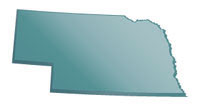
Nebraska has a real and ongoing need for trained social workers. Rural communities across the state face aging populations, substance use challenges, and limited access to mental health services. Meanwhile, Omaha and Lincoln have grown into regional hubs with expanding demand for clinical and school-based social work. An MSW positions you to step into roles that actually move things forward in both settings.
The Master of Social Work (MSW) is the standard credential for advanced social work practice. It’s what employers in hospitals, child welfare agencies, and community mental health centers typically require for supervisory and clinical positions. In Nebraska, it’s also the gateway to the state’s most valuable licensure credentials.


CSWE-Accredited MSW Programs in Nebraska
Nebraska currently has two in-state programs accredited by the Council on Social Work Education (CSWE). CSWE accreditation matters because it’s what most employers and state licensing boards require. Both programs offer flexible formats that work for students in different life situations.
The University of Nebraska Omaha’s Grace Abbott School of Social Work is the larger and longer-established option. UNO’s program is available on campus in Omaha, fully online, or in a hybrid format. There’s also a hybrid track that places students on the University of Nebraska at Kearney (UNK) campus, which is a useful option for students in central Nebraska who want an in-person experience without commuting to Omaha. The curriculum follows an advanced generalist model, covering clinical practice, community work, and policy. Students without a social work background complete the traditional track (63 credits, roughly two years full-time). Those who hold a BSW from a CSWE-accredited program can apply for advanced standing, which reduces the requirement to 36 credits and often takes about one year full-time.
Nebraska Wesleyan University in Lincoln is the state’s second CSWE-accredited option. NWU’s program takes a trauma-conscious approach and runs in a hybrid format designed for working adults: one evening per week of in-person coursework in Lincoln, combined with online study. The generalist track requires 66 credits. The advanced standing track for BSW holders requires 34 credits. Both tracks are available full-time and part-time.
What to Look for When Choosing a Program
Once you know both options exist, the decision usually comes down to a few practical factors.
The curriculum focus matters most. UNO’s advanced generalist model gives you broad exposure across clinical, macro, and policy practice, which is useful if you’re not yet settled on a specialty. NWU’s trauma-conscious framework is a fit if you’re drawn to clinical and mental health work from the start. Whichever program you’re considering, look at the concentration options and whether their elective structure lets you go deeper in your area of interest.
Format and location are the other major variables. UNO’s fully online MSW program gives the most flexibility. NWU’s evening hybrid model works well for people who want face-to-face learning but can’t attend daytime classes. The UNK hybrid track is worth considering if you’re based outside Omaha or Lincoln. When comparing costs, UNO’s resident tuition is generally lower than out-of-state options, and exploring the most affordable CSWE-accredited MSW programs is worth doing if budget is a deciding factor. The Nebraska Loan Repayment Program (NLRP) is also worth researching if you plan to work in a rural or underserved area of the state after graduating.
Accreditation is non-negotiable. Both programs are CSWE-accredited, as required by Nebraska’s licensing board. If you’re considering an out-of-state online program, confirm that it’s CSWE-accredited before applying.
Career Paths with an MSW in Nebraska
An MSW opens a wide range of career directions. The table below shows some of the most common roles in Nebraska and what they typically involve.
| Career Title | Typical Setting | Clinical Licensure Required? |
|---|---|---|
| Licensed Independent Mental Health Practitioner (LIMHP) | Private practice, outpatient mental health | Yes |
| Child Welfare Case Manager | Nebraska DHHS, family services agencies | No |
| School Social Worker | K-12 schools, Lincoln and Omaha districts | No (school endorsement required) |
| Healthcare Social Worker | Hospitals, dialysis centers, rehab facilities | Often preferred |
| Mental Health and Substance Abuse Social Worker | Community mental health, corrections, rural clinics | Yes for independent practice |
| Social and Community Service Manager | Nonprofits, government agencies | No |
| Aging and Disability Services Case Manager | Area Agencies on Aging, rural services | No |
Licensure in Nebraska After Your MSW
Nebraska’s licensing system for social workers is managed by the Nebraska Department of Health and Human Services (DHHS), Division of Public Health – Licensure Unit. After earning your MSW from a CSWE-accredited program, the two most common credential paths are:
The Certified Master Social Worker (CMSW) credential is the foundational post-MSW license in Nebraska. It allows you to practice in most social work settings under supervision. Many employers in child welfare, case management, and community services hire at this level.
The Licensed Independent Mental Health Practitioner (LIMHP) credential is for social workers who want to practice independently in clinical and mental health settings. Getting there typically requires earning your MSW, completing a supervised clinical hours period, and passing the required examinations. Nebraska also offers a Provisional Licensed Mental Health Practitioner (PLMHP) license, which applies to certain mental health professionals and may serve as a supervised practice stage, depending on your pathway.
For a full breakdown of Nebraska’s licensure tiers, requirements, and application process, see our Nebraska social work licensure guide.
Social Work Salaries in Nebraska
According to the Bureau of Labor Statistics, social workers in Nebraska earn a median annual salary of $47,400, with wages ranging from around $40,910 at the 25th percentile to $65,450 at the 90th percentile. The statewide annual mean is $50,800. Nebraska employs approximately 4,610 social workers across all specializations. For a broader look at how MSW-level earnings compare nationally, see our MSW salary guide.
Nationally, the BLS projects strong growth across all social work specializations through 2032. Healthcare social workers are projected to grow by 9.6% and see roughly 18,700 average annual openings. Mental health and substance abuse social workers are projected to grow by 10.6%, with an average of 9,500 annual openings. Child, family, and school social workers are projected to grow by 5.3% with approximately 29,500 average annual openings.
In Nebraska specifically, the combination of rural healthcare gaps, aging rural populations, and an expanding urban mental health sector means demand tends to stay consistent regardless of national economic conditions.
Frequently Asked Questions
How many CSWE-accredited MSW programs are in Nebraska?
Nebraska has two in-state CSWE-accredited MSW programs: the University of Nebraska Omaha (Grace Abbott School of Social Work) and Nebraska Wesleyan University in Lincoln. Numerous out-of-state online programs accept Nebraska residents and hold CSWE accreditation.
What’s the difference between the traditional and advanced standing MSW?
The traditional MSW is for students who don’t hold a BSW or whose BSW is not from a CSWE-accredited program. It typically takes two years full-time. The advanced standing track is for BSW holders from CSWE-accredited programs. It allows you to skip the first year of foundational coursework and typically takes about one year full-time. Both UNO and NWU offer advanced standing options.
Can I earn an MSW in Nebraska online?
Yes. UNO offers a fully online MSW program through its Grace Abbott School of Social Work. NWU’s hybrid evening format is also largely online, with one evening per week of in-person coursework in Lincoln. Both programs are CSWE-accredited.
What licenses can I pursue with an MSW in Nebraska?
After earning your MSW, you can pursue the Certified Master Social Worker (CMSW) credential for general practice, or the Licensed Independent Mental Health Practitioner (LIMHP) credential for independent clinical work. The path to LIMHP requires supervised hours and additional examinations after your degree.
Is an MSW required to become a licensed social worker in Nebraska?
For the CMSW and LIMHP credentials, which are the primary licenses for advanced social work practice in Nebraska, yes, an MSW from a CSWE-accredited program is required. A BSW may qualify you for entry-level positions and provisional credentials, but not for independent clinical practice.
Key Takeaways
- Two CSWE-accredited options: Nebraska has in-state MSW programs at UNO (Omaha) and Nebraska Wesleyan University (Lincoln), both with online and hybrid formats.
- Advanced standing cuts time significantly. BSW holders from accredited programs can often complete their MSW in one year through advanced standing tracks at both schools.
- Licensure follows the MSW. The CMSW and LIMHP are Nebraska’s primary post-MSW credentials. LIMHP is needed for independent clinical practice.
- Nebraska’s demand is driven by rural need. Aging rural populations, mental health gaps, and substance use challenges across the state create a steady demand for MSW-level practitioners.
- Salaries reflect the state’s size. The median pay for Nebraska social workers is $47,400, according to BLS data, with top earners reaching $65,450.
Exploring your MSW options? Browse CSWE-accredited programs by state, including cost comparisons and program format breakdowns.
2024 US Bureau of Labor Statistics salary and employment figures for Social Workers, Social and Human Services Assistants, Social and Community Service Managers, and Substance Abuse, Behavioral Disorder, and Mental Health Counselors, reflect state and national data, not school-specific information. Conditions in your area may vary. Data accessed April 2026.