South Dakota LPC Requirements: How to Get Licensed as a Counselor
South Dakota has two levels of counselor licensure: the LPC and the LPC-MH. Both require a master’s degree in counseling and a national exam from the NBCC. Both licenses include post-graduate supervised experience requirements, with additional clinical hours required for the LPC-MH. The LPC uses the NCE. The LPC-MH adds the NCMHCE.
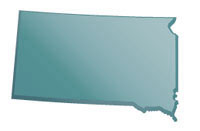
South Dakota employs roughly 1,510 substance abuse and mental health counselors statewide, according to the Bureau of Labor Statistics. That number needs to grow. If you’re working toward a counseling license in South Dakota, you’re entering a two-tier system: the Licensed Professional Counselor (LPC) and the more advanced Licensed Professional Counselor-Mental Health (LPC-MH). Which credential you’re aiming for shapes the graduate program you need, the supervised hours you’ll accumulate, and the exam you’ll take. Understanding the difference now saves a lot of backtracking later. If you’re considering the substance abuse credential path instead, see our guide to substance abuse counseling certification in South Dakota.


LPC vs. LPC-MH: Understanding Both License Levels
The LPC is South Dakota’s entry-level counseling license. It covers general counseling practice but doesn’t authorize you to independently diagnose or treat mental health conditions. The LPC-MH does. To earn the LPC-MH, you must first hold the LPC, so the path to the clinical license runs through the general one. The good news is that you can start accumulating LPC-MH-eligible supervised hours while working under your LPC, as long as your supervisor holds the LPC-MH credential. For a broader look at how the LPC compares to the LCSW and LMHC, we break down those distinctions in a separate guide.
Here’s how the two tracks compare across the major requirements:
| Requirement | LPC | LPC-MH |
|---|---|---|
| Education | A CACREP-accredited master’s or a qualifying graduate degree that meets board requirements | Same education requirement (must already hold LPC) |
| Post-grad supervised hours | 2,000 hours over at least two years | 2,000 hours of direct client contact in a clinical setting |
| Direct client contact | 800 hours minimum | 2,000 hours (up to 1,000 from LPC period may count if under LPC-MH supervision) |
| Supervision hours | 100 hours (at least 50% face-to-face) | 100 hours (at least 50% face-to-face, up to 50 from LPC period may count) |
| Licensing exam | National Counselor Examination (NCE) | National Clinical Mental Health Counselor Examination (NCMHCE) |
| Background check | Required | Required at LPC stage |
Educational Requirements
South Dakota accepts two educational pathways. The first is a master’s degree from a Council for Accreditation of Counseling and Related Educational Programs (CACREP)-accredited program. The second is a qualifying graduate degree in counseling from a regionally accredited school that meets board requirements, provided the curriculum covers all required core content areas. If you’re unsure whether a specific program qualifies, the Board of Examiners for Counselors and Marriage and Family Therapists can confirm before you enroll.
CACREP programs are the cleaner path. They’re built to the exact accreditation standard South Dakota references, so there’s no ambiguity about whether your coursework will satisfy the board’s requirements. A CACREP credential also travels better if you move to another state and need to seek licensure there. To compare programs by cost, our list of affordable accredited master’s in counseling programs is a useful starting point.
During your graduate studies, you’ll complete both a practicum and an internship. The practicum must include a minimum of 100 hours, with at least 40 of those in direct client contact, supervised by a faculty member with face-to-face evaluation. The internship follows: at least 600 total hours, with 240 or more hours of direct client contact, under the supervision of an on-site licensed professional counselor or certified mental health therapist.
Supervised Post-Graduate Experience
Before you start accumulating post-graduate hours, you’ll need a board-approved Plan of Supervision on file. Submit that plan to the Board of Examiners first. Hours typically must be completed under a board-approved supervision plan to count, so don’t skip this step.
For the LPC, you need 2,000 total hours of post-graduate supervised experience, including at least 800 hours of direct client service and 100 hours of supervision. At least 50 of those supervision hours must be face-to-face with a board-approved supervisor. You’ll also need to pass a criminal background check.
The LPC-MH sets a higher bar. Both licenses include post-graduate supervised experience requirements, with additional clinical hours required for the LPC-MH. Specifically, you need 2,000 hours of direct client contact in a clinical setting, plus 100 hours of supervision under an LPC-MH credential holder. If you planned ahead during your LPC supervision period, up to 1,000 of your direct client contact hours can count toward the LPC-MH requirement, provided they were accumulated under LPC-MH supervision. Up to 50 supervision hours from your LPC period may also apply.
Licensing Exams
The LPC requires passing the National Counselor Examination (NCE), a standardized multiple-choice exam administered by the National Board for Certified Counselors (NBCC). It covers counseling theory, human development, assessment, group work, and professional ethics. To register, you’ll submit an official graduate transcript and the exam fee to the board.
The LPC-MH requires the National Clinical Mental Health Counselor Examination (NCMHCE), also through the NBCC. The NCMHCE is case-study-based and tests your ability to diagnose, assess, and develop treatment plans for clinical mental health concerns. South Dakota won’t accept the NCMHCE as a substitute for the NCE at the LPC stage. You’ll need both exams in order.
Retake policies are set by the board and the testing provider. Check current requirements directly with the board before scheduling a retest, as policies can change.
Continuing Education and License Renewal
South Dakota requires annual license renewal. On a two-year cycle, reported during even-numbered years, you must complete 40 hours of continuing education. At least 4 of those hours must cover ethics as it relates to counseling practice.
Approved CE activities include workshops, seminars, lectures, distance learning programs, and coursework from board-approved sponsors. Pre-approved providers include the NBCC, the American Psychological Association, the American Association of Marriage and Family Therapists, and the National Association of Social Workers. For the current list and renewal forms, visit the South Dakota Board of Examiners for Counselors website.
Licensure by Endorsement
If you’re already licensed in another state, you may qualify for licensure by endorsement. South Dakota doesn’t have formal reciprocity agreements, but the board can grant a license to applicants whose home state requirements are substantially similar to or stricter than South Dakota’s.
Eligibility may require a period of licensed practice, depending on board evaluation. You’ll also need to provide your exam scores (NCE for LPC; both NCE and NCMHCE for LPC-MH) and pay the applicable fees. Reach the board at (605) 331-2927 or visit the board’s applications page for the endorsement form and current requirements.
What Counselors Earn in South Dakota
According to the Bureau of Labor Statistics, substance abuse, behavioral disorder, and mental health counselors in South Dakota earned a median annual salary of $53,400 as of May 2024. The middle range runs from $46,260 at the 25th percentile to $59,770 at the 75th percentile, with a mean annual wage of $55,890. Approximately 1,510 counselors in this category were employed in the state at the time of that report.
Frequently Asked Questions
Do I need a CACREP degree to get licensed in South Dakota?
No, but it’s the recommended path. South Dakota also accepts a qualifying graduate degree in counseling from a regionally accredited institution that meets board requirements, as long as the curriculum covers all required core content areas. A CACREP program removes ambiguity about whether your coursework qualifies and makes it easier to seek licensure in other states if you relocate.
What’s the difference between the LPC and the LPC-MH?
The LPC covers general counseling practice. The LPC-MH authorizes independent diagnosis and treatment of mental health conditions, which opens clinical roles that the LPC alone doesn’t qualify you for. Both licenses include post-graduate supervised experience requirements, with additional clinical hours required for the LPC-MH. You must hold the LPC before applying for the LPC-MH.
How long does it take to get licensed as an LPC in South Dakota?
Plan on at least two to three years after completing your master’s degree. You need 2,000 post-graduate supervised hours accumulated over at least two years, plus a passing score on the NCE. How quickly you get there depends largely on securing a position with an approved supervisor and building direct client contact hours at a consistent rate.
How often do I need to renew my counseling license in South Dakota?
South Dakota requires annual license renewal. Continuing education is reported on a two-year cycle, during even-numbered years. You need 40 hours of approved CE credits per cycle, including at least 4 hours focused on professional ethics.
Can I transfer my counseling license from another state to South Dakota?
South Dakota doesn’t have formal reciprocity, but it offers licensure by endorsement. Your home state’s requirements must be substantially similar to or stricter than South Dakota’s. Eligibility may require a period of licensed practice, depending on board evaluation. Contact the board at (605) 331-2927 for guidance on your specific situation.
Key Takeaways
- Two license levels: South Dakota issues the LPC for general practice and the LPC-MH for clinical diagnosis and treatment. You must hold the LPC before you can apply for the LPC-MH.
- Graduate degree required: A CACREP-accredited master’s or a qualifying graduate degree that meets board requirements are both accepted paths to licensure.
- Supervised hours differ by license: Both licenses include post-graduate supervised experience requirements, with additional clinical hours required for the LPC-MH. The LPC needs 2,000 hours, with 800 in direct client contact. The LPC-MH needs 2,000 hours of direct clinical contact.
- Two separate exams: The NCE is required for the LPC, and the NCMHCE is required for the LPC-MH. South Dakota won’t accept one in place of the other at the wrong stage.
- CE is biennial: Renew your license annually and complete 40 hours of continuing education every two years, including at least 4 hours of ethics, reported during even-numbered years.
Looking for a counseling master’s program? Explore accredited programs that can prepare you for LPC or LPC-MH licensure in South Dakota.
2024 US Bureau of Labor Statistics salary and employment figures for Social Workers, Social and Human Services Assistants, Social and Community Service Managers, and Substance Abuse, Behavioral Disorder, and Mental Health Counselors, reflect state and national data, not school-specific information. Conditions in your area may vary. Data accessed April 2026.