MSW Programs in Oregon | Master of Social Work in OR
Oregon has three CSWE-accredited MSW programs, offered by Portland State University, George Fox University, and Pacific University. Graduates qualify for clinical licensure pathways including the Clinical Social Work Associate (CSWA) and Licensed Clinical Social Worker (LCSW), depending on their career track. According to the Bureau of Labor Statistics, social workers in Oregon earn a median salary of $62,770 per year.
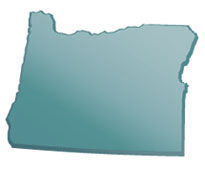
Oregon has a growing need for social workers. A significant portion of the population lives below the poverty line, and NAMI has identified a shortage of mental health professionals across both urban and rural areas. MSW-level professionals are positioned to address those gaps, whether that means working in child welfare, mental health, healthcare, or community services.
Earning an MSW in Oregon qualifies you for clinical licensure, opens the door to leadership roles in human services agencies, and increases your earning potential significantly compared to a bachelor’s-level credential. The degree also gives you the flexibility to specialize. This guide covers what to look for in an Oregon MSW program, how licensure works in the state, and what you can expect to earn once you graduate.


Oregon’s Social Work Licensure Pathway
Oregon uses a tiered licensure system for social workers, and where you enter depends on your degree level and career path. Key credentials include the Registered Baccalaureate Social Worker (RBSW), Clinical Social Work Associate (CSWA), and Licensed Clinical Social Worker (LCSW). Licensure requirements vary by role, so confirm current requirements with the Oregon Board of Licensed Social Workers. If you’re weighing clinical license options, see our overview of how the LCSW compares to other clinical licenses.
An MSW from a CSWE-accredited program opens pathways to advanced licensure in Oregon. For clinical roles, the CSWA is typically a supervised intermediate step toward the LCSW. Your specific license track will depend on your career goals and the type of practice you plan to pursue.
For clinical practice, you’ll need the LCSW. Oregon requires 3,500 hours of post-MSW experience, with at least 2,000 of those hours involving direct client contact, plus 100 hours of qualified supervision (at least 50 individual). The CSWA is an intermediate credential that some practitioners hold during that supervised period. For complete requirements and exam details, see our Oregon social work licensure page.
CSWE-Accredited MSW Programs in Oregon
Accreditation by the Council on Social Work Education (CSWE) is the standard for MSW programs. It confirms the program meets national educational standards and, more practically, it’s required in Oregon for licensure eligibility. Three primary schools in Oregon currently hold full CSWE accreditation, though program availability can change, so confirm directly with each institution. If cost is a factor in your decision, our guide to CSWE-accredited MSW programs by cost covers affordable options nationwide.
Portland State University offers the state’s only public MSW program and is the largest of the three. The traditional program requires 78 credits and 900 practicum hours. PSU has multiple delivery options: a main campus in downtown Portland, sites in Eugene and Bend, and a fully online program available to students in most states. Specialization tracks include advanced clinical practice, practice and leadership with communities and organizations, and school social work licensure. PSU is ranked among the top public social work schools by U.S. News and World Report.
George Fox University offers a 62-credit MSW at its Portland Center campus. Students choose between two specializations: direct practice with families, children, individuals, and groups (the clinical track) or community practice (the macro track). The traditional program runs two years full-time and includes roughly 1,008 hours of supervised field education. George Fox also offers a nine-month advanced standing option for qualified BSW graduates.
Pacific University offers a 64-credit MSW that can be completed in two years of full-time study. The program emphasizes social justice, trauma-informed care, and preparation for the Oregon licensing exam. Pacific is also an approved pathway for school social work licensure in Oregon, which makes it a strong option for those planning to work in K-12 settings.
Advanced Standing Options
If you’ve already earned a BSW from a CSWE-accredited program, you may qualify for an advanced standing track, which reduces the credit hours and time required to finish your MSW. All three Oregon programs offer this option. George Fox’s advanced standing program can be completed in as little as nine months, Pacific’s in about a year at 32 credits, and PSU’s in a shorter timeline with 46 required credits. Most programs require your BSW to have been completed within the last five to seven years and a minimum GPA of 3.0.
Online vs. Campus MSW Programs in Oregon
PSU is currently the only Oregon-based institution offering a fully online MSW programs option based in the state. For students who need flexibility around work or family, that matters. The online program covers the same curriculum and field education requirements as the on-campus version and is available across most of the country.
Campus-based programs at George Fox and Pacific offer smaller cohort sizes and more face-to-face mentorship, which some students find valuable during field placement. If you’re open to national online programs, several CSWE-accredited out-of-state universities also accept Oregon residents and may offer additional specialization options or lower tuition. What stays the same regardless of format: you’ll still need to complete supervised field hours in person, typically arranged through agencies in your area.
What Can You Do With an MSW in Oregon?
An MSW qualifies you for a broad range of roles in Oregon’s public and private human services sectors. Below are common career paths and the settings where MSW-level professionals typically work.
| Career Role | Typical Setting | License Often Required |
|---|---|---|
| Licensed Clinical Social Worker | Private practice, mental health clinics, hospitals | LCSW |
| Child Welfare Case Manager | Oregon Department of Human Services | MSW-level (varies by role) |
| School Social Worker | K-12 public and private schools | School social work license (TSPC) |
| Healthcare Social Worker | Hospitals, hospice, rehabilitation centers | MSW-level or LCSW |
| Mental Health and Substance Abuse Social Worker | Community mental health centers, treatment programs | LCSW or CSWA |
| Social and Community Service Manager | Nonprofits, government agencies, and human services organizations | Varies by employer |
Social Work Salaries and Job Outlook in Oregon
According to the Bureau of Labor Statistics, social workers in Oregon earn a median annual salary of approximately $62,770, with the top quarter of earners reaching $76,480 or more. These figures are based on BLS May 2024 estimates and may vary by role and location. Healthcare social workers and mental health and substance abuse social workers tend to earn at the higher end of that range, particularly with clinical licensure.
Social and community service managers, a common advancement path for MSW graduates who move into leadership roles, earn a median salary of approximately $82,130 in Oregon, with the top quarter earning above $107,680.
Job growth across social work roles in Oregon is projected to be strong through 2032, with particularly high demand in mental health and behavioral health roles. Community service management is also an area of consistent growth, reflecting a broader expansion of nonprofit and government-funded human services.
Frequently Asked Questions
How many CSWE-accredited MSW programs are there in Oregon?
There are three: Portland State University, George Fox University, and Pacific University. CSWE accreditation is required to qualify for Oregon’s social work licensure exams, so it’s an important filter when evaluating programs.
Can I complete an MSW program in Oregon online?
Portland State University offers the only fully online MSW program based in Oregon, available to students in most states. Several out-of-state CSWE-accredited programs also accept Oregon residents and offer fully online options. All MSW programs, online or campus-based, require in-person field placement hours.
What licenses can I pursue with an MSW in Oregon?
An MSW from a CSWE-accredited program qualifies you to pursue clinical licensure in Oregon. The CSWA is typically an intermediate credential held during supervised post-MSW practice, and the LCSW is the advanced license that allows independent clinical practice, including diagnosis and treatment of mental health conditions. Specific requirements vary by role and employer, so reviewing the current Oregon Board of Licensed Social Workers guidelines is recommended.
Do all three Oregon programs offer advanced standing for BSW graduates?
Yes. Portland State, George Fox, and Pacific University all offer advanced standing tracks for graduates of CSWE-accredited BSW programs. Requirements vary, but most programs expect your BSW to be recent (within five to seven years) and a minimum undergraduate GPA of 3.0.
Key Takeaways
- Three CSWE-accredited options – Portland State University, George Fox University, and Pacific University are the only programs in Oregon that meet licensure eligibility requirements.
- Licensure pathways vary – Oregon uses credentials including the RBSW, CSWA, and LCSW. An MSW from a CSWE-accredited school opens the door to clinical and advanced licensure tracks.
- Advanced standing can cut your time in half – BSW graduates from accredited programs may qualify for accelerated MSW tracks at all three Oregon schools.
- Online is available – PSU offers a fully online MSW, and several national CSWE-accredited programs accept Oregon residents.
- Job growth is strong – Oregon projects strong growth across social work specialties through 2032, with particularly high demand in mental health and behavioral health roles.
To explore MSW programs that fit your career goals and compare options by format, location, and specialization, use the program directory above. For state licensing requirements and next steps after graduation, visit our Oregon social work licensure guide.
2024 US Bureau of Labor Statistics salary and employment figures for Social Workers, Social and Human Services Assistants, Social and Community Service Managers, and Substance Abuse, Behavioral Disorder, and Mental Health Counselors, reflect state and national data, not school-specific information. Conditions in your area may vary. Data accessed April 2026.