Nevada Social Work License: Requirements for the LSW, LISW, and LCSW

Nevada licenses social workers at three levels: Licensed Social Worker (LSW), Licensed Independent Social Worker (LISW), and Licensed Clinical Social Worker (LCSW). Each license requires passing the appropriate ASWB exam as part of the licensure process. The LISW and LCSW also require 3,000 hours of supervised post-graduate experience. All applicants must be at least 21 and pass a background check.
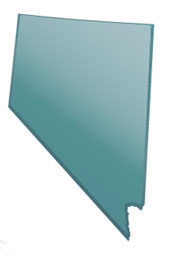
Nevada requires licensure for anyone who practices or calls themselves a social worker. That’s not a formality. It’s state law under NRS 641B.500. The Nevada Board of Examiners for Social Workers (BESW) issues three license types, each tied to a specific education level and scope of practice. Whether you’re entering the field with a bachelor’s degree or aiming to diagnose and treat mental health conditions independently, the license you pursue shapes what you can do and who you can serve.
Here’s what each level requires and how to get there.


Find Education Requirements in Nevada for one of the following:
Nevada Social Work License Requirements at a Glance
All three Nevada social work licenses share a common foundation. Before you apply at any level, you’ll need to meet these universal requirements set by the BESW:
- Be at least 21 years of age
- Hold a degree in social work from a CSWE-accredited program
- Pass the appropriate ASWB exam for your license level
- Submit official transcripts directly to the BESW
- Pass a state and federal background check (fingerprints required)
- Provide proof of eligibility to work in the U.S.
- Pay an application fee of $50 and an initial license fee of $125. Fees are subject to change. Verify current amounts with the Nevada BESW before applying.
The table below shows how the three license tiers compare on key requirements.
| License | Degree Required | ASWB Exam | Supervised Hours | CE for Renewal |
|---|---|---|---|---|
| Licensed Social Worker (LSW) | BSW or MSW (CSWE-accredited) | Bachelor’s or Master’s level | None | 30 hours every 2 years |
| Licensed Independent Social Worker (LISW) | MSW or DSW (CSWE-accredited) | Advanced Generalist level | 3,000 hours post-degree | 36 hours every 2 years |
| Licensed Clinical Social Worker (LCSW) | MSW or DSW (CSWE-accredited) | Clinical level | 3,000 hours post-degree (2,000 face-to-face clinical) | 36 hours every 2 years |
Always verify current requirements with the Nevada Board of Examiners for Social Workers, as rules and fees can change.
Licensed Social Worker (LSW)
The LSW is Nevada’s entry-level social work license. It allows you to provide generalist social work services, working with individuals, families, and communities, but it doesn’t authorize independent clinical practice or mental health diagnosis.
To qualify, you need a Bachelor of Social Work (BSW) or Master of Social Work (MSW) from a CSWE-accredited school, and you must be at least 21 years old. There’s no post-graduate supervised experience requirement at this level. Once your application is submitted and your transcripts are received, you’ll need to pass the ASWB Bachelor’s or Master’s level exam before your license is finalized.
LSW renewal requires 30 continuing education hours every two years. Nevada renews licenses annually on the licensee’s birthday month.
Licensed Independent Social Worker (LISW)
The LISW is designed for social workers who want to practice independently at a non-clinical level (clinical diagnosis and treatment require an LCSW). It opens the door to more autonomous roles in agencies, nonprofits, and community organizations.
This license requires an MSW or Doctorate in Social Work from a CSWE-accredited program. After your degree, you’ll need to log 3,000 hours of supervised post-graduate social work practice, typically completed within a board-defined timeframe (often around two to three years). Your supervisor must hold an LISW or LCSW license in Nevada. Once your hours are complete, you’ll sit for the ASWB Advanced Generalist exam.
LISW renewal requires 36 continuing education hours every two years.
Licensed Clinical Social Worker (LCSW)
The LCSW is Nevada’s highest social work license. It authorizes independent clinical practice, including the diagnosis and treatment of mental health and emotional disorders. If you want to open a private therapy practice, work in psychiatric settings, or take on clinical supervision responsibilities, this is the credential you need.
The education requirement is an MSW or a Doctorate in Social Work from a CSWE-accredited program. Then comes the supervised experience: 3,000 post-degree hours total, with at least 2,000 of those hours in face-to-face clinical practice using techniques consistent with psychotherapy. At least 1,000 of the clinical hours must be completed in a clinical setting, and you must meet board requirements for regular supervision, including minimum supervision hours. After completing your hours, you’ll pass the ASWB Clinical level exam to receive your license.
LCSW renewal requires 36 continuing education hours every two years. For more on this career path, see our guide to becoming a Licensed Clinical Social Worker (LCSW).
Applying from Another State
If you’re already licensed as a social worker in another state, Nevada allows you to apply for licensure by endorsement rather than starting the process from scratch. Your out-of-state license must be at a comparable level with requirements substantially equivalent to Nevada’s. You’ll need your previous licensing board to verify your license directly with the BESW, and ASWB will need to send your official exam score reports. The endorsement fee is $125, in addition to the standard application and license fees. If your license was issued more than five years ago, the exam requirement may be waived in some cases, subject to board review.
Social Work Salaries in Nevada
Salary in social work varies by license level, specialty, and employer. According to Bureau of Labor Statistics data, child, family, and school social workers in Nevada earn a median annual salary of $60,430, with the top 25 percent earning $71,840 or more. The field is also growing. BLS projections show about 5% growth in social work positions in Nevada between 2022 and 2032, with an average of 320 job openings per year. Healthcare and mental health social work roles are growing at faster rates, with projected growth of about 12% and about 14%, respectively.
To get a fuller picture of what you might earn at different career stages, visit our MSW salary guide.
Frequently Asked Questions
What’s the difference between an LSW, LISW, and LCSW in Nevada?
The LSW is an entry-level license for generalist social work practice. The LISW allows independent advanced generalist practice without a supervisor. The LCSW is the clinical license. It’s the only one that authorizes the diagnosis and treatment of mental health conditions. Both the LISW and LCSW require 3,000 hours of supervised post-degree experience, while the LSW does not.
Do I need an MSW to become licensed in Nevada?
Not for the LSW. A BSW from a CSWE-accredited program is enough to qualify for the entry-level Licensed Social Worker license. But the LISW and LCSW both require at a minimum an MSW or doctorate from a CSWE-accredited school. If you’re aiming for independent or clinical practice, a graduate degree is necessary.
How long does it take to get a Nevada social work license?
The BESW asks applicants to allow 45 days for processing once a complete application is received. Applications missing documents will be delayed. For the LISW and LCSW, the supervised experience period typically takes two to three years after your degree, so the full timeline from MSW to clinical licensure is several years in most cases.
Can I get a provisional license while waiting to take the ASWB exam?
Yes. Nevada offers a provisional LSW license valid for 60 days if you’ve met all other requirements but haven’t yet passed the ASWB exam. For MSW students currently enrolled in a CSWE program, a provisional license can be granted for up to three years or until graduation, whichever comes first. Each applicant may only receive one provisional license.
How do I renew my Nevada social work license?
Nevada social work licenses renew annually on the licensee’s birthday month. The renewal fee is $150, subject to change, so verify the current amount with the BESW before renewing. LSW holders must complete 30 continuing education hours every two years. LISW and LCSW holders must complete 36. CE courses must be approved by a recognized body such as the ASWB ACE program. The BESW conducts a 100% audit on legislatively mandated CE hours.
Key Takeaways
- Three license levels: Nevada issues the LSW (entry-level generalist), LISW (independent non-clinical), and LCSW (clinical, with diagnosis and treatment authority).
- CSWE accreditation is required at every level: Your degree must come from a Council on Social Work Education-accredited program. Nevada has two CSWE-accredited BSW and MSW programs, at UNLV and UNR.
- Clinical practice requires 3,000 supervised hours: Both the LISW and LCSW require post-degree supervised experience before you can sit for the licensing exam. The LCSW requires 2,000 of those hours to be face-to-face clinical work.
- Out-of-state licensees can apply by endorsement: If you’re already licensed in another state at a comparable level, you may qualify without retaking the full licensing process.
- Always verify with the BESW: Requirements, fees, and CE rules can change. The Nevada Board of Examiners for Social Workers is the authoritative source.
Exploring MSW programs in Nevada? UNLV and UNR both offer CSWE-accredited programs that meet the degree requirements for all three license levels.

2024 US Bureau of Labor Statistics salary and employment figures for Social Workers, Social and Human Services Assistants, Social and Community Service Managers, and Substance Abuse, Behavioral Disorder, and Mental Health Counselors, reflect state and national data, not school-specific information. Conditions in your area may vary. Data accessed April 2026.