MSW Programs in Nevada | Master of Social Work in NV
Nevada has two CSWE-accredited MSW programs through the University of Nevada system, with one in Las Vegas (UNLV) and one in Reno (UNR), with UNR also offering a fully online option. Both schools offer traditional two-year tracks and accelerated advanced standing options for BSW holders. An MSW is required to pursue social work licensure in Nevada at any level.
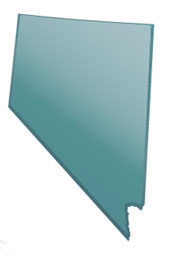
Social work in Nevada isn’t a generic job market. The state has a rapidly growing population, a tourism-driven economy associated with challenges such as addiction and financial instability, and rural communities that are underserved. If you’re thinking about earning a Master of Social Work (MSW) in Nevada, you are also selecting a focus within the field and the area you want to work in.
This guide covers what MSW programs exist in Nevada, what each one offers, how the degree connects to licensure, and what social workers in the state actually earn.


MSW Programs in Nevada: UNLV and UNR
MSW options in Nevada are limited to two primary programs, both within the Nevada System of Higher Education and both holding accreditation from the Council on Social Work Education (CSWE), the national accrediting body for social work programs. CSWE accreditation is a requirement for licensure in Nevada and most other states. If you’re planning to become a licensed social worker, your MSW must come from a CSWE-accredited program.
The University of Nevada, Las Vegas (UNLV) School of Social Work offers two concentrations: Direct Practice, which prepares graduates for clinical and therapeutic work with individuals, families, and groups, and Management and Community Practice, which focuses on leadership, policy, and administration in human services organizations. The program requires approximately 60–63 credit hours with required field education. UNLV serves the southern Nevada region and emphasizes practice with urban and multicultural populations.
The University of Nevada, Reno (UNR) School of Social Work offers an Advanced Generalist Practice (AGP) concentration, which prepares graduates to work across multiple systems and settings rather than in a single specialty. The program also requires approximately 60–63 credit hours with required field education and is available on campus, fully online, or in a hybrid format. UNR’s online program is particularly notable: it’s the only fully online MSW program based in Nevada, and it carries the same CSWE accreditation as the on-campus version.
If program cost is a factor in your decision, see our guide to affordable CSWE-accredited MSW programs for a state-by-state breakdown, including Nevada options.
Traditional vs. Advanced Standing: Which Track Fits You?
Both UNLV and UNR offer two enrollment tracks: traditional and advanced standing. The track you qualify for depends on your undergraduate background.
The traditional track is a full two-year program open to students with a bachelor’s degree in any field. If your undergraduate degree wasn’t in social work, this is your path. Coursework covers social work theory, research methods, policy, and practice, followed by supervised field placement.
The advanced standing track is available to graduates who hold a Bachelor of Social Work (BSW) from a CSWE-accredited program. Because foundational content was already covered at the undergraduate level, advanced standing students can complete the MSW in approximately one year. Both schools have program-specific GPA and eligibility requirements. Verify with each school before applying.
If you have a BSW, the advanced standing option can reduce program length and overall cost. It’s worth confirming eligibility directly with the program before applying.
Online vs. On-Campus: Comparing Your Options
UNR’s online MSW is the main fully online in-state option for Nevada residents. It covers the same Advanced Generalist Practice curriculum as the on-campus program and requires no campus residency. Students still complete in-person field placements at approved agencies in their local area. UNLV does not offer a fully online MSW at this time (verify current offerings), though it does offer evening and weekend scheduling to accommodate working students.
| Factor | On-Campus (UNLV or UNR) | Online (UNR) |
|---|---|---|
| Location requirement | Las Vegas or Reno | Anywhere in Nevada (or beyond) |
| Schedule flexibility | Fixed class times; some evening options | Asynchronous coursework; self-paced within terms |
| Field placement | Campus-coordinated placement | In-person at local approved agencies |
| Concentration | Direct Practice or Management/Community Practice (UNLV); Advanced Generalist (UNR) | Advanced Generalist Practice |
| CSWE accreditation | Yes | Yes |
How the MSW Connects to Nevada Licensure
In Nevada, most professional social work roles require licensure through the Board of Examiners for Social Workers. There are three license tiers, and all of them require an MSW from a CSWE-accredited program as the foundation.
The Licensed Social Worker (LSW) is the entry-level license for MSW graduates. It allows supervised social work practice across a range of settings. The Licensed Independent Social Worker (LISW) requires the LSW plus 3,000 hours of post-licensure supervised work experience, and it permits independent generalist practice. The Licensed Clinical Social Worker (LCSW) also requires the post-degree supervised hours, but at least 2,000 of those hours must involve diagnosing and treating mental health conditions. The LCSW is the credential needed to practice clinical social work independently, including operating a private practice.
If you’re drawn to therapy, mental health counseling, or private practice, your program choice matters. UNLV’s Direct Practice concentration is designed specifically for that clinical path. For more details on what each license requires, visit our Nevada social work licensure guide.
Social Work Salaries and Job Outlook in Nevada
According to the Bureau of Labor Statistics, child, family, and school social workers in Nevada earn a median annual salary of approximately $60,430 as of May 2024. The middle range runs from approximately $49,000 at the 25th percentile to approximately $72,000 at the 75th percentile, with top earners exceeding approximately $90,000.
Job growth projections for Nevada social workers are strong across specializations. The BLS projects about 14% growth in mental health and substance abuse social worker positions in Nevada between 2022 and 2032, with healthcare social workers projected to grow about 12% over the same period. Child, family, and school social workers are projected to grow about 5%, adding an average of 320 job openings per year statewide.
These figures reflect demand associated with Nevada’s population growth and the ongoing need for behavioral health services, particularly in areas where MSW-prepared workers are most directly needed.
Frequently Asked Questions
Do I need an MSW to become a licensed social worker in Nevada?
Yes. All three Nevada social work licenses (LSW, LISW, and LCSW) require a Master of Social Work (MSW) degree from a CSWE-accredited program. Nevada does not offer a BSW-level license, so an MSW is the minimum educational requirement for licensed practice in the state.
Can I complete an MSW program in Nevada entirely online?
UNR offers the only fully online, in-state MSW option. The program requires no campus visits for coursework, but students do need to complete in-person field placements at agencies in their area. UNLV does not offer a fully online format at this time. Verify current offerings directly with the school.
What’s the difference between UNLV’s and UNR’s MSW programs?
UNLV offers two concentrations: Direct Practice and Management and Community Practice, focusing on urban social work in southern Nevada. UNR offers an Advanced Generalist Practice concentration available on campus, online, or hybrid. The right fit depends on your career goals and where you plan to practice. If clinical licensure is the goal, UNLV’s Direct Practice track is directly aligned with that path.
What can I do with a Nevada MSW besides clinical social work?
An MSW opens pathways across multiple settings: child welfare case management, healthcare social work in hospitals, school social work, program management at nonprofits, aging and disability services, substance abuse counseling, and policy and advocacy roles. The concentration you choose, whether clinical or macro, shapes which roles you’re best prepared for on graduation.
How long does an MSW program take in Nevada?
Most traditional MSW programs take two years of full-time study. Both UNLV and UNR offer part-time tracks that extend to three or four years for students balancing work or family obligations. Students with a BSW from a CSWE-accredited program may qualify for advanced standing, which can reduce the degree to approximately one year of full-time coursework.
Key Takeaways
- Two in-state options: UNLV and UNR are Nevada’s only CSWE-accredited MSW programs. UNR also offers a fully online format.
- CSWE accreditation is required: Without it, your degree won’t qualify you for Nevada social work licensure.
- Three license tiers build on the MSW (LSW, LISW, and LCSW, each require additional supervised hours after earning your degree).
- Advanced standing can reduce program length: BSW holders from CSWE-accredited programs may qualify to finish the MSW in about 12 months.
- Job growth is strong: Mental health and substance abuse social workers in Nevada are projected to grow about 14% through 2032, per BLS data.
Ready to explore your options? Visit our Nevada social work licensure guide to understand what each license requires after you earn your degree.
2024 US Bureau of Labor Statistics salary and employment figures for Social Workers, Social and Human Services Assistants, Social and Community Service Managers, and Substance Abuse, Behavioral Disorder, and Mental Health Counselors, reflect state and national data, not school-specific information. Conditions in your area may vary. Data accessed April 2026.