Nevada LPC Requirements: How to Become a Licensed Counselor in NV
To become a licensed counselor in Nevada, you’ll earn a CACREP-accredited master’s degree, register as a Clinical Professional Counselor (CPC) Intern, complete 3,000 supervised hours over at least two years, pass the NCMHCE exam, and apply to the Nevada Board for your full CPC license. Nevada does not have automatic reciprocity with other states.
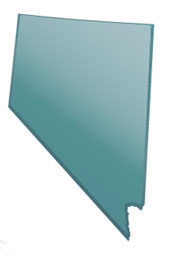
Nevada ranks among the worst states in the country for mental health access. That gap creates real demand for licensed counselors, but getting there requires navigating a specific, multi-step licensure process. The credential you’re working toward is the Clinical Professional Counselor (CPC), issued by the Nevada State Board of Examiners for Marriage and Family Therapists and Clinical Professional Counselors. Here’s what you need to know to get there.


Nevada’s Two-Step Licensing Pathway: Intern First, Then Full License
Nevada structures its counselor licensure process in two distinct stages. Before you can accumulate supervised hours, you must register with the Board as a CPC Intern. You can’t skip this step. The intern credential is what authorizes you to practice under supervision, and the clock on your supervised hours doesn’t start until that registration is approved.
Once you’ve completed the intern phase, your supervised hours and examination, you apply for the full CPC license. Think of it as a two-phase process: intern registration first, full licensure second. Most candidates spend 2 to 3 years in the internship phase before applying for full licensure.
Education Requirements
Nevada requires a master’s degree in mental health counseling from a program approved by the Council for Accreditation of Counseling and Related Educational Programs (CACREP). CACREP-accredited programs are pre-approved by the Board, which simplifies the application review. If your program isn’t CACREP-accredited, it must be offered by a regionally accredited institution and meet the specific coursework requirements outlined by the Board.
Your degree program must cover these core content areas: human growth and development; social and cultural diversity; individual and group counseling theories and techniques; career development; assessment; research and program evaluation; and professional identity and ethics. If your transcript shows gaps in any of these areas, you may need to take additional coursework before the Board approves your application.
You’ll also complete a supervised practicum and internship as part of your graduate program. CACREP programs require a minimum of 600 clinical contact hours during the graduate internship. These graduate hours do not count toward the post-degree supervised experience requirement. To explore counseling programs in Nevada, visit our state programs guide.
Supervised Experience Requirements
After earning your degree and registering as a CPC Intern, you’ll complete a post-graduate supervised experience period. The Board requires a minimum of two years and 3,000 total hours. Here’s how those hours break down:
| Requirement | Hours | Notes |
|---|---|---|
| Total supervised hours | 3,000 | Completed over a minimum of 2 years |
| Direct client contact | 1,500 minimum | Individual, group, couples, and family sessions |
| Total supervision hours | 300 minimum | Must include both primary and secondary supervisors |
| Primary supervisor hours | 160 minimum | Supervisor must hold an active Nevada license |
| Secondary supervisor hours | 40 minimum | Additional board-approved supervisor |
| Direct client contact per week | 20 hours maximum | Weekly cap on countable direct contact |
Your primary supervisor must hold an active Nevada license in one of the following disciplines: CPC, psychiatry, psychology, mental health, or social work. You’re required to report your progress to the Board every six months, including total hours worked, supervision hours, and a written evaluation from your supervisor.
Up to 200 hours of documented teaching (parent education, workshops, family education) and up to 50 hours of additional training can count toward your total. Group facilitation hours are also eligible, up to 300.
Examination Requirements
Nevada requires passage of the National Clinical Mental Health Counselor Examination (NCMHCE), administered by the National Board for Certified Counselors (NBCC). The NCMHCE is a case-simulation exam that tests clinical problem-solving across the following areas: assessment, diagnosis, treatment planning, and counseling practice. It consists of 10cases of clinical mental health counseling.
You can apply to take the exam before completing your supervised hours. The Board can grant exam eligibility at the intern level. To register, you’ll apply through the NBCC and pay the applicable examination fee. Authorization to test typically takes several weeks after your application is processed. You must pass with a score acceptable to the Nevada Board before applying for full CPC licensure.
Applying for Full CPC Licensure
Once you’ve completed your supervised hours and passed the NCMHCE, you apply to the Nevada Board for your full Clinical Professional Counselor (CPC) license. Your application package includes graduate and undergraduate transcripts, proof of supervised hours, supervisor evaluations, criminal background check results (processed through both the Nevada Department of Public Safety and the FBI), and three professional letters of reference sent directly to the Board.
The background check process involves submitting fingerprint cards to two separate agencies. Processing times vary and may take several weeks depending on agency timelines, so don’t wait until everything else is complete to start this step.
Continuing Education and License Renewal
Nevada CPC licenses are renewed annually. You’ll need to complete 20 hours of continuing education each renewal cycle and demonstrate compliance with Board ethics requirements. The renewal process also includes brief Board testing on ethics, professionalism, and child support obligations, which you can complete as part of your annual reapplication.
Check the Nevada Board website periodically for updates to renewal rules and CE requirements: marriage.nv.gov.
A Note on Reciprocity
Nevada does not offer automatic reciprocity. Out-of-state counselors must apply directly to the Board and demonstrate they’ve met Nevada’s specific requirements. The Board has updated its regulations to allow applicants to transfer some supervised hours earned in another state toward the Nevada internship requirement, subject to Board review, but this is not guaranteed, and requirements should be confirmed directly with the Board before assuming prior hours will count.
What Nevada Counselors Earn
According to the Bureau of Labor Statistics, substance abuse, behavioral disorder, and mental health counselors in Nevada earned a median annual salary of $59,470 as of May 2024. The lower half of earners saw wages starting around $46,960, while the top 25% earned $76,260 or more. The BLS reported approximately 2,240 counselors employed in the state.
If you’re considering a related path, the substance abuse counseling certification in Nevada follows a separate process through a different licensing board.
Frequently Asked Questions
Does Nevada use the LPC title or something different?
Nevada uses the title Clinical Professional Counselor (CPC) rather than Licensed Professional Counselor (LPC). The credential functions similarly to an LPC in other states, but if you’re searching for licensure information, use “CPC Nevada” or “Nevada CPC requirements” to find the most accurate Board guidance.
Can I start accumulating supervised hours before I register as a CPC Intern?
No. You must register with the Nevada Board as a CPC Intern before your post-graduate supervised hours begin counting toward licensure. Hours accumulated before intern registration are not eligible. Submit your intern application as soon as your degree is conferred.
What exam does Nevada require for counselor licensure?
Nevada requires the National Clinical Mental Health Counselor Examination (NCMHCE), administered by the National Board for Certified Counselors (NBCC). This replaced the NCE as Nevada’s required exam. If you’ve already passed the NCE in preparation for Nevada licensure, verify current requirements with the Board directly before proceeding.
How long does it take to become a fully licensed CPC in Nevada?
Most candidates spend six to eight years total: two to three years for a master’s degree, then a minimum of two years in the intern phase, completing supervised hours. Background checks, Board scheduling, and exam preparation add time and budget, so the process may take longer than the minimum suggests.
Does Nevada accept out-of-state counseling licenses?
Nevada has no automatic reciprocity. Out-of-state counselors must apply through the Board and meet Nevada’s requirements. The Board may credit some supervised hours earned in another state, subject to review, but this isn’t guaranteed. Confirm your specific situation directly with the Board before relocating.
Key Takeaways
- Nevada’s credential is the CPC, not the LPC — the Clinical Professional Counselor license is issued by the Board of Examiners for Marriage and Family Therapists and Clinical Professional Counselors.
- Two-stage process — register as a CPC Intern first, then complete 3,000 supervised hours over at least two years before applying for full licensure.
- CACREP-accredited programs are pre-approved — choosing an accredited master’s program simplifies the Board’s review of your education.
- The NCMHCE is the required exam, not the NCE — verify current exam requirements with the Board before registering.
- No automatic reciprocity — out-of-state counselors must apply directly, and hour transfers are subject to Board review, not guaranteed.
- Start the background check early — processing involves two agencies, and timelines can vary by several weeks.
Ready to find a CACREP-accredited counseling program in Nevada? Explore degree options and program listings by state.
2024 US Bureau of Labor Statistics salary and employment figures for Social Workers, Social and Human Services Assistants, Social and Community Service Managers, and Substance Abuse, Behavioral Disorder, and Mental Health Counselors, reflect state and national data, not school-specific information. Conditions in your area may vary. Data accessed April 2026.