Human Services Careers in Montana
Human services careers in Montana span social work, counseling, case management, and community services, with pathways starting at the associate’s degree level. According to the Bureau of Labor Statistics, median salaries range from around $37,000 for entry-level assistants to more than $70,000 for community service managers, and several roles are projected to grow faster than average through 2032.
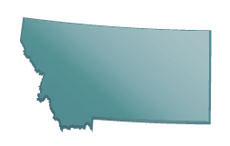
Montana has more wilderness than services, and that gap is where human services workers come in. The state’s frontier geography, vast distances between towns, limited public transit, and some of the least-connected rural communities in the country mean the people who need help often face the biggest barriers to getting it. Add a significant tribal population across seven reservations and a persistent shortage of behavioral health providers, and the demand for trained human services professionals is real and ongoing.
If you’re weighing a career in this field in Montana, pathways exist at every education level, from certificate programs to doctoral work. This guide covers what those careers look like, what they pay, and what licenses you’ll need to practice.


Montana’s Human Services Landscape
The Montana Department of Public Health and Human Services (DPHHS) is the state’s largest agency and one of its biggest employers of human services workers. It administers programs across child welfare, behavioral health, aging, disability services, and economic assistance. Beyond DPHHS, positions exist in school districts, tribal health agencies, nonprofits, hospitals, and county offices across the state.
Montana also has a well-documented shortage of behavioral health providers, particularly in rural and frontier counties. That shortage translates directly into job opportunities. Mental health and substance abuse social workers are among the fastest-growing human services occupations in state projections, and the broader human services field shows consistent demand across nearly every specialty.
Career Pathways by Education Level
Human services careers in Montana don’t require a master’s degree to get started. Entry-level roles are accessible with an associate’s degree or certificate. A bachelor’s degree expands the range of available positions considerably. Clinical and management roles at the top of the pay scale generally require a master’s degree and state licensure.
| Education Level | Career Options in Montana | Notes |
|---|---|---|
| Associate’s Degree or Certificate | Human Services Assistant, Case Management Aide, Behavioral Management Aide, Community Outreach Aide | Entry-level. One of the higher-volume sources of annual job openings statewide |
| Bachelor’s Degree | Substance Abuse Counselor, Community Outreach Worker, Juvenile Court Liaison, Probation Officer, Rehabilitation Case Worker, Child Life Specialist, Gerontology Specialist | Licensure may be required for some roles (e.g., Licensed Addiction Counselor) |
| Master’s Degree | Licensed Clinical Social Worker (LCSW), Licensed Clinical Professional Counselor (LCPC), Marriage and Family Therapist, Social and Community Service Manager, Child Welfare Case Manager | State licensure is required for independent clinical practice |
| Doctoral Degree | University Faculty, Clinical Research Lead, Advanced Practice Therapist, Agency Leadership | Required for university teaching positions and independent clinical research |
Bachelor’s degrees in social work, sociology, or psychology are the most common starting point for mid-level roles. For clinical work, diagnosing and treating mental health conditions independently generally requires a master’s degree and state licensure.
What Human Services Jobs Pay in Montana
The Bureau of Labor Statistics tracks four occupation categories that cover most human services careers. Here’s how those roles pay in Montana, based on May 2024 BLS data (latest available as of April 2026).
| Occupation | Median Annual Salary | Mean Annual Salary | Top 10% Earn |
|---|---|---|---|
| Social and Community Service Managers | $70,830 | $84,630 | $140,350+ |
| Mental Health and Substance Abuse Counselors | $58,660 | $57,350 | $80,870+ |
| Social Workers | $49,630 | $52,930 | $65,610+ |
| Social and Human Services Assistants | $36,910 | $37,540 | $45,570+ |
Community service managers earn the highest median salary in the field, reflecting the management, budgeting, and program oversight that those positions require. For workers at the assistant level, entry pay is modest, but these roles provide direct-service experience that supports advancement to licensed or supervisory positions over time.
Job Outlook Through 2032
Montana’s state labor projections show growth across all major human services categories between 2022 and 2032. Mental health roles lead the way.
| Occupation | Projected Growth | Jobs Added | Avg Annual Openings |
|---|---|---|---|
| Mental Health and Substance Abuse Social Workers | +18.8% | +130 | 70 |
| Healthcare Social Workers | +17.1% | +110 | 70 |
| Social and Community Service Managers | +8.3% | +60 | 60 |
| Social and Human Services Assistants | +7.9% | +140 | 200 |
| Child, Family, and School Social Workers | +6.5% | +70 | 100 |
The 18.8% growth projection for mental health and substance abuse social workers reflects Montana’s ongoing investment in expanding access to behavioral health, particularly in underserved rural areas. Social and Human Services Assistants generate around 200 openings per year, making this category one of the most accessible entry points into the field in terms of volume.
Licensure in Montana
Several of the higher-paying careers in Montana require a state license before you can practice independently. Here’s what each path looks like.
Licensed Addiction Counselor (LAC): Montana’s Board of Behavioral Health licenses addiction counselors at a single tier. Requirements include an approved degree, a set number of supervised hours, and passing the required exam. The LAC credential is the standard for anyone providing substance abuse counseling services in the state.
Licensed Clinical Professional Counselor (LCPC): The LCPC credential allows counselors to provide independent mental health services in Montana. A master’s degree in counseling or a closely related field is required, along with supervised clinical hours and passage of the licensure exam. The LCPC is administered by the Board of Social Work Examiners and Professional Counselors.
Licensed Clinical Social Worker (LCSW): Montana offers multiple social work license levels, including Licensed Baccalaureate Social Worker (LBSW), Licensed Social Worker (LSW), and Licensed Clinical Social Worker (LCSW), with the LCSW required for independent clinical practice. To qualify for the LCSW, you need a Master of Social Work (MSW) from a CSWE-accredited program, 3,000 hours of supervised psychotherapy-focused experience, and a passing score on the ASWB Clinical exam. License renewal requires continuing education hours as specified by the state board (typically around 20–40 hours per renewal cycle).
Frequently Asked Questions
What degree do I need to start a human services career in Montana?
Entry-level positions, such as human services assistant or case management aide, typically require an associate’s degree or bachelor’s. Clinical roles, including licensed counselor or clinical social worker, require a master’s degree and a state license. A bachelor’s degree in social work, sociology, or psychology is the most common starting point for mid-level positions such as substance abuse counselor or community outreach worker.
Does Montana have a shortage of human services workers?
Yes, particularly in behavioral health. Montana has a documented shortage of mental health providers, especially in rural and frontier counties. State projections show 18.8% growth in mental health and substance abuse social workers between 2022 and 2032, reflecting demand expected to continue well beyond that window.
Can I work in human services in Montana with an online degree?
Yes, provided the program is properly accredited and meets state licensing requirements. Montana’s licensing boards focus on accreditation status rather than delivery format. An MSW from a CSWE-accredited online program meets the educational requirement for social work licensure. Supervised practice hours must still be completed in person, but coursework can be done remotely through an approved program.
What is DPHHS and why does it matter for job seekers?
The Montana Department of Public Health and Human Services is the state’s largest agency, overseeing programs in child welfare, behavioral health, disability services, aging, and economic assistance. It’s one of the primary employers of human services professionals in Montana and posts open positions through the State of Montana Careers portal. If you’re looking for public sector work in this field, DPHHS is the first place to look.
How much do social workers earn in Montana?
According to BLS data from May 2024, social workers in Montana earn a median annual salary of $49,630. Salaries vary by specialty. Healthcare and mental health social workers often earn above that figure, while entry-level child welfare positions tend to fall closer to the lower end. Community service managers, who oversee programs rather than carry direct caseloads, have a median of $70,830.
Key Takeaways
- Pathways start at the associate’s level. Entry-level human services assistant roles are accessible without a four-year degree, and these positions are one of the higher-volume sources of annual openings in Montana.
- Mental health roles are growing fast. Montana projects 18.8% growth for mental health and substance abuse social workers through 2032, the highest rate among the human services occupations tracked in state projections.
- Salary range is wide. Median pay runs from $36,910 for assistants to $70,830 for community service managers, with clinical licensure being the main driver of earnings at the higher end.
- Three licenses matter most. The LAC, LCPC, and LCSW are the credentials that unlock independent clinical practice in Montana, each requiring a specific degree, supervised hours, and an exam.
- DPHHS is the anchor employer. The Montana Department of Public Health and Human Services administers programs across nearly every human services specialty and is consistently hiring across the state.
To explore licensure requirements and degree options for specific human services careers in Montana, use our state-by-state guides to social work licensure, counseling certification, and addiction counseling credentials.
2024 US Bureau of Labor Statistics salary and employment figures for Social Workers, Social and Human Services Assistants, Social and Community Service Managers, and Substance Abuse, Behavioral Disorder, and Mental Health Counselors, reflect state and national data, not school-specific information. Conditions in your area may vary. Data accessed April 2026.