MSW Programs in Montana | Master of Social Work Degree
Choosing the right MSW programs in Montana starts with understanding what the degree unlocks. The state’s licensure board recognizes the LCSW for independent clinical practice, and that license requires an MSW from a CSWE-accredited program. Montana has limited in-state options, which makes online MSW programs a practical choice for many students.
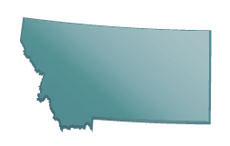
Montana’s social service workforce faces a genuine gap: the state has a significant need for trained social workers, especially in rural and tribal communities, but a small number of in-state graduate programs. For people already living and working in Montana, that means the path to an MSW often runs through an online program rather than a campus.
This guide covers what an MSW gets you in Montana, how licensure works once you have it, what programs are available, and what the job market actually looks like when you’re done.


Why an MSW Matters in Montana
A Master of Social Work degree is the gateway to licensed clinical practice in Montana. Without it, you can work in direct services or case management, but you can’t practice independently as a clinical social worker or provide therapy under a social work license.
Montana’s Board of Behavioral Health licenses social workers at two levels. The Licensed Social Worker (LSW) credential is generally available to individuals with a BSW, supervised experience, and successful completion of a required licensing exam. The Licensed Clinical Social Worker (LCSW) requires an MSW from a CSWE-accredited program plus post-degree supervised clinical experience. Always confirm current requirements directly with Montana’s Board of Behavioral Health, as specific hours and exam requirements are subject to change. If your goal is clinical work, including mental health counseling, private practice, or hospital-based social work, the LCSW is the credential you’re working toward, and the MSW is the required first step.
The MSW also opens doors outside clinical settings. State agencies, school districts, nonprofit organizations, and healthcare systems frequently list the MSW as required or preferred for supervisory and management-track roles. You’ll find it listed as a requirement for positions like child welfare program supervisor, healthcare social work coordinator, and behavioral health case manager.
For more on what licensure looks like once you have your degree, see our Montana social work licensure guide.
Career Paths with an MSW in Montana
An MSW qualifies you for a wide range of positions across Montana’s social services landscape. The table below covers common career paths, typical work settings, and whether each requires clinical licensure.
| Career | Typical Setting | LCSW Required? |
|---|---|---|
| Licensed Clinical Social Worker (LCSW) | Private practice, mental health centers, hospitals | Yes |
| Healthcare Social Worker | Hospitals, hospice, rehabilitation facilities | Often preferred, not always required |
| Child Welfare Case Manager | DPHHS, tribal social services, nonprofits | No, but MSW preferred |
| School Social Worker | K-12 public schools | No, but MSW is common |
| Social and Community Service Manager | Nonprofits, government agencies | No |
| Mental Health and Substance Abuse Social Worker | Behavioral health centers, corrections, VA | Often required for independent practice |
Montana’s Department of Public Health and Human Services is one of the larger employers of MSW-level professionals in the state, with positions across child welfare, disability services, and senior and long-term care programs. The VA Montana Health Care System, Indian Health Service offices, and community mental health centers also regularly hire social workers with graduate degrees.
Montana Social Work Job Outlook
Montana’s social work workforce is growing across multiple specializations. The table below shows projected employment growth for key social work occupations from 2022 to 2032, based on state and federal labor market estimates.
| Occupation | 2022 Jobs | 2032 Projected | Growth | Est. Annual Openings |
|---|---|---|---|---|
| Mental Health & Substance Abuse Social Workers | 700 | 830 | +18.8% | 70 |
| Healthcare Social Workers | 670 | 780 | +17.1% | 70 |
| Child, Family, and School Social Workers | 1,080 | 1,150 | +6.5% | 100 |
The strongest growth is in mental health and substance abuse social work, at nearly 19% over the decade, and healthcare social work at 17%. Both categories skew heavily toward MSW-level candidates, particularly those pursuing or holding LCSW licensure. Child, family, and school social work generates the most estimated openings annually, at around 100 per year statewide, including positions created by retirements and turnover, not just new jobs.
According to the Bureau of Labor Statistics, social workers in Montana earned a median annual salary of about $52,930 across social work categories as of May 2024. Higher earners, roughly the top quartile, made $60,000 or more, with variation by specialization and setting.
MSW Programs Available to Montana Students
Montana currently has one primary in-state MSW program (University of Montana), which means most students pursue their degree online while remaining in the state. This is a fully accepted path as long as the program is CSWE-accredited. Montana’s licensure board recognizes degrees from any CSWE-accredited program, regardless of delivery format.
In-State Option: University of Montana
The University of Montana in Missoula offers a CSWE-accredited MSW program with two concentration tracks: Advanced Clinical Practice and Advanced Integrated Practice. The clinical track is designed for students pursuing LCSW licensure. The integrated practice track is better suited for students seeking flexibility across direct service, administrative, and policy roles.
UM’s program includes both full-time and part-time completion options. Tuition is assessed per credit hour, with resident and non-resident rates that differ significantly. If you’re already a Montana resident, UM’s in-state rate is worth carefully comparing with online alternatives before making a decision.
Online MSW Programs
A wide range of regionally accredited, CSWE-approved programs offer fully online MSW degrees that are accessible to Montana students. Online programs typically offer more scheduling flexibility, which matters for students who are already working in human services or managing other commitments.
When evaluating online programs, the key factors to compare are CSWE accreditation status, field placement policies (some programs help arrange placements locally, others require you to find your own site), and whether the program has a clinical concentration if LCSW licensure is your goal. Tuition varies widely, and lower-cost programs don’t necessarily mean lower quality if accreditation is in place.
If you’re comparing accredited programs, our guide to the best online MSW programs breaks down options by cost, format, and clinical focus.
What to Look for in Any Program
Regardless of format, a few things should be non-negotiable. CSWE accreditation is required for Montana LCSW licensure, so any program you’re seriously considering needs to have it. Beyond that, consider how well the curriculum aligns with your intended career: a program built around macro social work and policy won’t serve you as well if your goal is clinical practice, and vice versa.
Admission requirements vary. Most programs expect an undergraduate GPA around 3.0, letters of recommendation, a personal statement, and some prior human services experience, though requirements aren’t uniform. Contact the admissions office of any program you’re seriously considering to clarify what’s expected before you apply.
Frequently Asked Questions
Do I need an MSW to become a licensed social worker in Montana?
It depends on the license you’re pursuing. Montana’s LSW credential is generally available to individuals with a BSW, supervised experience, and passage of the required licensing exam. The LCSW, which allows independent clinical practice, requires an MSW from a CSWE-accredited program. If clinical work is your goal, an MSW is required. Confirm current requirements with Montana’s Board of Behavioral Health.
Does Montana accept online MSW degrees for licensure?
Yes. Montana’s Board of Behavioral Health licenses social workers based on degree level and CSWE accreditation, not delivery format. An online MSW from a CSWE-accredited program meets the educational requirement for licensure.
How long does it take to earn an MSW in Montana?
A traditional full-time MSW program takes two years. Some programs offer advanced standing for students who hold a BSW from a CSWE-accredited school, which can reduce the timeline to one year. Part-time options typically take three to four years.
What is the job outlook for social workers in Montana?
Growth is solid, particularly in mental health and healthcare social work. Montana projects nearly 19% growth in mental health and substance abuse social work positions between 2022 and 2032, with about 70 new openings per year in that category alone.
Can I do my field placement in Montana if I attend an online MSW program?
Many accredited online programs accommodate out-of-state field placements, meaning you can complete your practicum hours at an approved site in Montana rather than near the program’s home institution. Policies vary by program, so confirm field placement support during the admissions process.
Key Takeaways
- The MSW is required for LCSW licensure in Montana. The Licensed Clinical Social Worker credential, which allows independent clinical practice, requires a graduate degree from a CSWE-accredited program.
- Online programs are a practical path. Montana has limited in-state MSW options, and online degrees from CSWE-accredited programs are fully recognized for licensure.
- Mental health social work is the fastest-growing category. Montana projects nearly 19% growth in mental health and substance abuse social work positions through 2032.
- CSWE accreditation is non-negotiable. Any program you consider must be CSWE-accredited for the degree to count toward Montana licensure.
- Social workers in Montana earn a median of about $52,930. That figure spans social work categories. Higher earners, roughly the top quartile, make $60,000 or more, depending on specialization and setting.
Ready to find an MSW program that fits your goals? Explore accredited options and compare programs by format, cost, and clinical focus.
2024 US Bureau of Labor Statistics salary and employment figures for Social Workers, Social and Human Services Assistants, Social and Community Service Managers, and Substance Abuse, Behavioral Disorder, and Mental Health Counselors, reflect state and national data, not school-specific information. Conditions in your area may vary. Data accessed April 2026.