Social Work Licensure in Montana
Montana social work license options now include three tiers: the Licensed Baccalaureate Social Worker (LBSW), the Licensed Master Social Worker (LMSW), and the Licensed Clinical Social Worker (LCSW). Each tier has distinct education and exam requirements, with supervised experience required for clinical licensure.
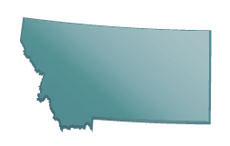
Montana passed multi-tier licensure legislation in 2019, adding two new license levels to what had previously been a single-tier system. Whether you’re finishing a bachelor’s degree in social work or completing a clinical master’s program, there’s now a defined path to licensure in Big Sky Country. The right license depends on your education level and the kind of social work you plan to do.


Find the license level you’re working toward:
Three Levels of Social Work Licensure in Montana
The Montana Board of Behavioral Health oversees all social work licensure in the state. Before 2019, Montana had only one route: the Licensed Clinical Social Worker credential. The legislature’s decision to add bachelor’s and master’s-level licenses opened the profession to more practitioners and brought greater accountability across all levels of practice. If you want to provide independent psychotherapy or clinical mental health services, the LCSW is your target credential. If you hold a master’s and are pursuing generalist or macro practice, the LMSW is the path. The LBSW covers bachelor’s-level practice for those entering the field without a clinical focus.
Licensed Baccalaureate Social Worker (LBSW)
The LBSW credential is designed for social workers who hold a bachelor’s degree and are not pursuing the clinical licensure route. To qualify, you must earn a bachelor’s degree in social work from a program accredited by the Council on Social Work Education (CSWE). You’ll then need to pass the Association of Social Work Boards (ASWB) Bachelors-level examination. Continuing education is required annually to maintain your license. Always confirm current requirements with the Montana Board of Behavioral Health, as regulations can change.
Licensed Master Social Worker (LMSW)
The LMSW is for social workers with a master’s degree who are practicing in generalist or administrative roles rather than independent clinical settings. You’ll need a Master of Social Work (MSW) degree from a CSWE-accredited program, along with passage of an appropriate ASWB exam (typically the Master’s or Advanced Generalist level, depending on board requirements). Continuing education hours are required each year for license renewal. Verify the current examination and supervision requirements directly with the Montana Board of Behavioral Health before applying.
Licensed Clinical Social Worker (LCSW)
The LCSW is the highest level of social work licensure in Montana and the credential required to provide independent clinical services, including psychotherapy and mental health diagnosis. If you want to understand what a licensed clinical social worker does before committing to this path, that’s a good place to start. Earning the credential itself involves four components: education, supervised experience, examination, and a background check.
Education
You must hold a Master of Social Work (MSW) or Doctorate of Social Work (DSW) from a CSWE-accredited program, or one in CSWE candidacy status.
Supervised Experience
After graduation, you’ll complete 3,000 hours of supervised post-graduate work experience in a psychotherapy-focused social work setting. At least 1,500 of those hours must be direct client contact. The full experience must span no less than two years. Your supervisor must hold a current license as an LCSW, licensed psychologist, or psychiatrist, and must meet board requirements for qualified clinical supervision. During this period, you’re regulated as a Social Work Licensure Candidate (SWLC) and work under a Board-approved training plan.
Examination
Once your experience hours are complete, you’ll submit your LCSW application through the Montana Board of Behavioral Health and register with the Association of Social Work Boards (ASWB) for the Clinical-level exam. The ASWB exam fee is $260, paid directly to ASWB. Testing is scheduled through Pearson VUE. Exam retake limits are set by the board and ASWB. Verify the current policy before testing.
Application Requirements
Along with your completed application, you’ll need three letters of professional reference, including a letter from your clinical supervisor. You’ll also complete a fingerprint-based criminal background check through the Montana Department of Justice. The LCSW application fee is $200.
License Renewal
Montana LCSWs must complete 20 hours of continuing education each year to renew their license. At least two of those hours must specifically address suicide prevention. Continuing education may be completed through approved online or home study formats, subject to board rules. The Montana Board of Behavioral Health no longer pre-approves CE providers, so you’re responsible for selecting coursework relevant to your scope of practice. Courses from providers approved by the ASWB Approved Continuing Education (ACE) program are accepted.
Social Worker Salaries in Montana
According to the Bureau of Labor Statistics, social workers in Montana earned a median annual salary of $49,630 as of May 2024, with top earners reaching approximately $65,610. Specialty area plays a real role in where you land in that range. Mental health and substance abuse social workers and healthcare social workers tend to earn toward the higher end of the scale.
The job outlook is strong across all social work specialties in Montana. BLS projections for 2022 to 2032 show mental health and substance abuse social workers growing at about 19%, with an average of 70 openings per year. Healthcare social workers are projected to grow about 17% over the same period. Child, family, and school social workers are expected to generate an average of 100 job openings annually through 2032.
Frequently Asked Questions
How many types of social work licenses does Montana have?
Montana has three levels of social work licensure: the Licensed Baccalaureate Social Worker (LBSW), the Licensed Master Social Worker (LMSW), and the Licensed Clinical Social Worker (LCSW). Montana added the LBSW and LMSW tiers through 2019 legislation, expanding from what had been a single-license state.
What exam do I need to pass to become an LCSW in Montana?
Montana requires the ASWB Clinical-level exam for the LCSW credential. You register through the Association of Social Work Boards after your application is approved by the Montana Board of Behavioral Health. The exam costs $260 and is scheduled through Pearson VUE. Verify current retake limits with the board and ASWB before testing.
How long does it take to become an LCSW in Montana?
Plan for at least four to six years after a bachelor’s degree. An MSW typically takes two years, and you’ll need a minimum of two additional years of supervised post-graduate experience before you’re eligible to apply. The actual timeline depends on how quickly you accumulate your 3,000 supervised hours.
How many continuing education hours do Montana LCSWs need each year?
Montana LCSWs must complete 20 hours of continuing education per year. At least two of those hours must specifically address suicide prevention. Continuing education may be completed through approved online or home study formats, subject to board rules, from ASWB ACE-approved providers.
Does Montana accept social work licenses from other states?
Yes. Montana has a licensure pathway for applicants already licensed in another state, provided you hold a current active license in good standing with requirements substantially equivalent to Montana’s standards, and have completed the relevant supervised experience and examination. Contact the Montana Board of Behavioral Health to confirm your eligibility before applying.
Key Takeaways
- Montana has three license tiers: LBSW, LMSW, and LCSW, added through 2019 legislation. Each corresponds to a different education level and scope of practice.
- The LCSW requires 3,000 supervised hours, including at least 1,500 in direct client contact, completed over a minimum of two years under a qualified clinical supervisor.
- The ASWB Clinical exam is required for LCSW. Register through ASWB after your application is approved. Testing is through Pearson VUE with a $260 exam fee.
- LCSWs must complete 20 CE hours annually, with at least 2 specifically covering suicide prevention.
- Social work is a growing field in Montana. BLS projections show about 17-19% growth for mental health and healthcare social work specialties through 2032.
Ready to explore MSW programs in Montana? Find CSWE-accredited programs that match your goals and schedule.
2024 US Bureau of Labor Statistics salary and employment figures for Social Workers, Social and Human Services Assistants, Social and Community Service Managers, and Substance Abuse, Behavioral Disorder, and Mental Health Counselors, reflect state and national data, not school-specific information. Conditions in your area may vary. Data accessed April 2026.