Human Services Degree Programs in Illinois
Illinois offers human services degree programs at every level, from two-year certificates to doctoral programs. Graduates work in social services, counseling, child welfare, case management, and community health across the state. According to Bureau of Labor Statistics data, salaries range from around $45,700 for human service assistants to over $76,000 for social and community service managers.
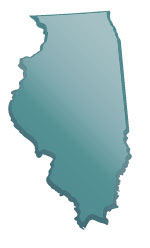
Illinois ranks among the most populous states in the country, and its human services workforce reflects that scale. Chicago alone employs thousands of social workers, counselors, case managers, and community coordinators. But the need extends well beyond the city. Rural downstate communities, suburban counties, and cities like Rockford, Peoria, and Springfield all have significant demand for trained human services professionals.
This page covers what a human services degree opens up in Illinois, what to expect at each degree level, what workers earn, and how to find an accredited program that fits your goals.


What You Can Do with a Human Services Degree in Illinois
The degree level you earn shapes which jobs you’re eligible for. A bachelor’s degree gets you into direct services, case management, and program coordination. A master’s degree opens doors to clinical roles, licensure, and leadership positions. Here’s how those paths break down.
Bachelor’s Degree Careers in Illinois
| Career | Typical Degree | Notes |
|---|---|---|
| Child Life Specialist | BS in Child Life or Child Development | Hospital and pediatric settings |
| Gerontology Specialist | BS in Gerontology | Senior services and long-term care |
| Substance Abuse Counselor | BS in Social Work, Sociology, or Psychology | Illinois certification required through IAODAPCA |
| Behavioral Management Aide | BS in Social Work, Sociology, or Psychology | School districts and educational settings |
| Probation Officer | BS in Social Work, Sociology, Psychology, or Criminal Justice | Illinois Department of Corrections |
| Rehabilitation Caseworker | BS in Social Work, Sociology, or Psychology | Illinois Department of Human Services |
| Community Outreach Worker | BS in Social Work, Sociology, or Psychology | Nonprofits and community agencies |
| Case Management Aide | BS in Social Work, Sociology, or Psychology | Entry-level case management, Illinois Department of Human Services |
| Juvenile Court Liaison | BS in Social Work, Sociology, Psychology, or Criminal Justice | Court and juvenile justice settings |
Master’s Degree Careers in Illinois
If you want to diagnose and treat mental health conditions, supervise staff, or move into agency management, a master’s degree is the next step. The Licensed Clinical Social Worker (LCSW) credential requires a Master of Social Work (MSW) from a Council on Social Work Education (CSWE)-accredited program plus post-graduate supervised hours. It allows independent clinical practice and provides access to settings not available to bachelor ‘s-level workers.
| Career | Typical Degree | Notes |
|---|---|---|
| Child Welfare Case Manager | MSW, MBA, or MA in Psychology or Sociology | DHS and nonprofit agencies |
| Licensed Clinical Social Worker (LCSW) | MSW from a CSWE-accredited program + supervised hours | Independent clinical practice, mental health settings |
| Licensed Social Worker (LSW) | MSW from a CSWE-accredited program | Supervised clinical and agency settings |
| Marriage and Family Therapist | MA in Counseling, Psychology, or Marriage and Family Therapy | Outpatient and private practice settings |
| Social and Community Service Manager | MSW, MBA, or MA in a related field | Program and agency leadership |
Degree Levels and What Each One Gets You
Not every human services career in Illinois requires a four-year degree. Understanding your options at each level helps you choose the path that fits your timeline, finances, and career goals.
Associate Degrees and Certificates
Community colleges across Illinois offer associate degrees and certificates in human services and related areas. These programs typically run two years and prepare graduates for entry-level positions at social service agencies, residential programs, and substance abuse treatment facilities. The Council on Standards in Human Services Education (CSHSE) accredits programs at this level. Some certificate programs are specifically designed to meet the Illinois Certification Board’s requirements for credentials such as the Certified Alcohol and Drug Counselor (CADC).
Bachelor’s Degree
A bachelor’s degree is the standard entry point for most professional human services roles in Illinois. Social work, sociology, psychology, and human services are common majors. A Bachelor of Social Work (BSW) from a CSWE-accredited program provides the strongest foundation if you’re planning to pursue licensure later. The accreditation matters: it’s a prerequisite for licensure, not just a quality signal.
Master’s Degree
Graduate programs in social work, counseling, and human services administration prepare students for clinical practice and leadership. Most clinical licenses in Illinois, including the LSW and LCSW, require a master’s degree plus supervised post-graduate hours. If licensure is your goal, review the Illinois social work licensure requirements and confirm CSWE accreditation before you enroll. Choosing a non-accredited program will disqualify you from licensure. If you’re weighing MSW programs in Illinois, that page covers accredited options and program formats.
Doctoral Programs
A doctorate prepares you for university-level teaching, research leadership, or advanced clinical practice. Most human services professionals don’t need one for direct service roles, but it opens paths in academia and agency administration that a master’s degree alone won’t.
What Human Services Workers Earn in Illinois
Bureau of Labor Statistics May 2024 data shows the following median and mean annual salaries for human services occupations in Illinois.
| Occupation | Median Annual Salary | Mean Annual Salary |
|---|---|---|
| Social Workers (Child, Family, and School) | $62,260 | $69,430 |
| Substance Abuse, Behavioral Disorder, and Mental Health Counselors | $59,570 | $69,010 |
| Social and Human Services Assistants | $45,700 | $49,600 |
| Social and Community Service Managers | $76,110 | $78,840 |
Illinois is also projected to add thousands of positions across these roles through 2032. Social and human service assistants are projected to grow by 7.4%, with an average of 1,890 openings per year. Mental health and substance abuse social workers show the strongest growth at 11%, reflecting rising demand for behavioral health services across the state.
Finding an Accredited Program in Illinois
Accreditation matters when you’re choosing a program, and it matters in a specific way depending on your career target. For social work, CSWE accreditation is required for licensure as an LSW or LCSW in Illinois. For broader human services and counseling programs, CSHSE is the primary accrediting body, and many community college programs hold Illinois Certification Board approval for credentials such as the CADC.
Many Illinois schools now offer online and hybrid formats at both the bachelor’s and master’s levels. If flexibility is a priority, it’s worth checking whether a program offers asynchronous coursework, evening options, or accelerated tracks designed for working adults. Online programs accredited by CSWE or CSHSE generally carry the same weight for licensure and most employers as on-campus programs.
Before you enroll, confirm the program meets the Illinois Department of Financial and Professional Regulation (IDFPR) requirements for your intended credential. That conversation with a program advisor is worth having before you start classes, not after you’ve completed your degree.
Frequently Asked Questions
What degree do I need to work in human services in Illinois?
It depends on the role. Entry-level positions in case management and community outreach typically require a bachelor’s degree in social work, sociology, or psychology. Clinical roles, including the LCSW and Licensed Professional Counselor (LPC), require a master’s degree plus supervised hours. Some positions, such as recovery support specialist, are accessible with a certificate or an associate’s degree.
Do I need a CSWE-accredited degree to get licensed as a social worker in Illinois?
Yes. The LSW and LCSW credentials in Illinois both require a master’s degree from a CSWE-accredited program. Choosing a non-accredited program will disqualify you from licensure regardless of your grades or post-graduate experience.
Are there online human services degree programs in Illinois?
Yes. Several Illinois colleges and universities offer online and hybrid programs at both the bachelor’s and master’s levels. Online programs accredited by CSWE or CSHSE generally carry the same weight for licensure and most employers as on-campus programs.
What’s the job outlook for human services workers in Illinois?
Strong across most roles. BLS projections show 7.4% growth in Illinois for social and human service assistants between 2022 and 2032, with nearly 1,900 openings per year. Mental health and substance abuse social workers are projected to grow by 11% in the same period.
What’s the difference between an LSW and an LCSW in Illinois?
Both require an MSW from a CSWE-accredited program. The LCSW additionally requires 3,000 hours of post-graduate supervised clinical experience and allows independent clinical practice, including diagnosing and treating mental health conditions. The LSW does not allow independent practice. For a full breakdown, see our LCSW vs. LPC comparison.
Key Takeaways
- Illinois has demand at every level: From entry-level certificate positions to doctoral-level clinical and research roles, opportunities exist across the state’s 102 counties.
- Degree level determines career access: A bachelor’s degree opens direct service and case management roles, while a master’s degree is required for clinical licensure as an LSW or LCSW.
- Accreditation is a licensing requirement, not just a quality signal: CSWE accreditation is required for social work licensure in Illinois, and CSHSE accredits broader human services programs.
- Salaries vary significantly by role: BLS data shows median salaries from $45,700 for human service assistants to over $76,000 for community service managers in Illinois.
- Behavioral health roles are growing fastest: Mental health and substance abuse social workers are projected to grow 11% in Illinois through 2032.
Ready to explore your options in Illinois? Browse licensing requirements and program details for the specific career path you’re considering.
2024 US Bureau of Labor Statistics salary and employment figures for Social Workers, Social and Human Services Assistants, Social and Community Service Managers, and Substance Abuse, Behavioral Disorder, and Mental Health Counselors, reflect state and national data, not school-specific information. Conditions in your area may vary. Data accessed April 2026.