Definition of Social Work
Social work is a profession built on the belief that people’s struggles are rarely just personal. They’re shaped by the systems around them. Social workers help individuals, families, and communities navigate hardship, access services, and pursue lasting change. The field spans clinical therapy, community advocacy, policy reform, and everything in between.
Few professions attempt to cover as much scope. Social workers sit with grieving families, lobby for housing legislation, run drug rehab programs, and testify in child protective proceedings. They work inside hospitals, courtrooms, schools, and emergency shelters. What ties all of it together isn’t a single job function. It’s a shared commitment to reducing suffering and the belief that society bears some responsibility for doing so.


What is Social Work?
The Different Kinds of Social Work
The Three Levels of Social Work Practice
Is There a Legal Social Work Definition?
Social Work Means Shaping Social Change
The Challenges That Define Social Work Today
Social Work Definitions of The Future
What is Social Work?
The International Federation of Social Workers (IFSW) approved the field’s global definition in 2014:
“Social work is a practice-based profession and an academic discipline that promotes social change and development, social cohesion, and the empowerment and liberation of people. Principles of social justice, human rights, collective responsibility and respect for diversities are central to social work. Underpinned by theories of social work, social sciences, humanities and indigenous knowledge, social work engages people and structures to address life challenges and enhance wellbeing.” ~ IFSW
That definition captures the scope. But it takes some history to understand what it actually means in practice. Social work is one branch of the broader definition of human services, but it carries a distinct focus on systemic change alongside individual support.
Social work as a profession traces back to a question that societies have argued over for centuries: what does a community owe its most vulnerable members? In 1921, Monsignor John A. Ryan and Reverend Raymond McGowan framed it as “the social question” – the evils and grievances affecting the wage-earning classes that called for a remedy. A century later, the field still hasn’t found a final answer. That’s not a failure. It reflects the fact that social problems change shape as society changes around them.
That work is what is called social work… investigating, assisting and relieving the problems of those who are struggling.
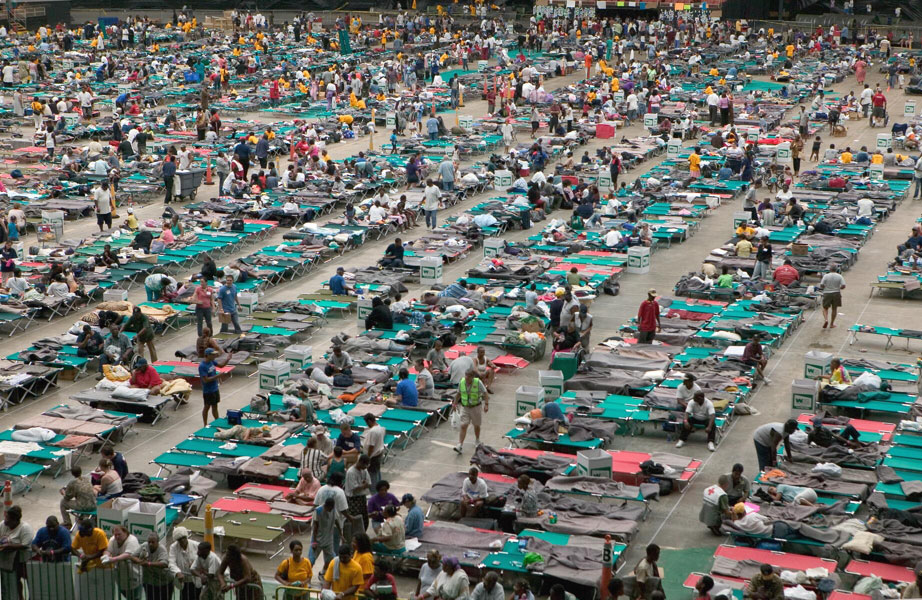
It’s work that happens at every level of society. Social workers go door to door in the wake of disasters to assist survivors. They staff drug rehab centers, counseling addicts at their most desperate. They lobby the government for funding and to change laws to reduce discrimination and further the cause of social justice. They arrange for home health services for the elderly and indigent who can’t cope by themselves.
It All Started in NYC At the Dawn of the Industrial Age

Modern social work grew out of volunteer charitable efforts funded by philanthropists and volunteer societies. Large populations experiencing poverty and disease, drawn together in urban centers by the pull of industrialization, drew the empathy of individuals long before governments began to address the problems. These societies organized voluntary relief efforts among themselves and reached out to those in need through paid staff. Those first social workers were known as friendly visitors.
In 1898, the New York Charity Organization Society established the Summer School of Applied Philanthropy to help train such workers. That school still exists today as the Columbia University School of Social Work, one of the top programs in the country.
By 1930, social work had become a profession established enough to be recorded in the U.S. Census. The major concerns of the field have shifted over the decades. The Great Depression focused the work almost exclusively on poverty as millions became jobless. The return of thousands of mentally damaged veterans after World War II shifted the focus to mental health. And the social upheavals of the 1960s moved many social workers toward racial justice and equality. Today, it’s a profession that takes on all those problems and more.
The Different Kinds of Social Work
While all social workers develop similar skills and perform many of the same daily functions, different specializations determine what kinds of problems you deal with and who you spend most of your time with. NASW, the National Association of Social Workers, lists 10 categories of specialization with available certifications. Some overlap, like health care and hospice roles. Others function as sub-specialties within any field, like case management.
| Specialization | What They Focus On |
|---|---|
| Leadership | Managing programs across government agencies and nonprofits, and building systems that advance social justice goals at scale |
| Addictions | Counseling clients through dependency on drugs, alcohol, or other substances and addressing the cascade of consequences that follow |
| Case Management | Coordinating services for clients with multiple overlapping needs and connecting people to the right providers at the right time |
| Clinical | Assessment, diagnosis, and direct therapeutic treatment of individuals, often combined with a specialty like addiction or gerontology |
| Education | Supporting students in schools who are navigating bullying, learning disabilities, family crises, and behavioral challenges |
| Gerontology | Supporting aging adults through health decline, family dynamics, financial complexity, and end-of-life transitions |
| Health Care | Helping patients and families navigate the healthcare system, manage medical costs, and arrange follow-up support |
| Hospice & Palliative | Supporting patients and families through end-of-life decisions, grief, and the practical challenges of dying |
| Youth and Family | Child protective services, foster care, family counseling, and advocacy for at-risk youth outside the school system |
| Military | Assisting service members and families with PTSD, reintegration, disability, and socioeconomic challenges tied to military service |
Each of these practice areas expands the practical definition of social work. The field spreads out through society, touching lives in every culture and socioeconomic group.
The Three Levels of Social Work Practice
Alongside specializations, social work is commonly organized into three levels of practice. These levels describe the scale at which a social worker operates, not the population they serve.
Micro social work is the most visible level. It’s direct, one-on-one work: counseling an individual in crisis, helping a family navigate child protective services, or connecting a patient with resources after a hospital discharge. Most people picture micro-level practice when they think of a social worker.
Mezzo social work operates at the group and community level. A mezzo practitioner might run a support group, coordinate services within a school, manage a community health outreach program, or oversee a team of direct-service workers. The focus shifts from the individual case to the systems that serve groups of people.
Macro social work is where policy, research, and large-scale advocacy live. Macro practitioners work to change the conditions that create individual problems in the first place. That might look like lobbying for affordable housing legislation, leading a nonprofit, or conducting research on the effectiveness of intervention programs. The work is less visible than direct client contact, but it shapes what’s possible for everyone operating at the levels below it.
Many social workers move between these levels across their careers. A clinical social worker might also contribute to policy advocacy. A community organizer might carry an individual caseload. The levels are a framework for understanding scope, not a boundary that limits practice.
Is There a Legal Social Work Definition?
As a licensed and regulated profession, each state defines its own scope of social work practice through licensing laws. Because they have to stand up in a court of law, these definitions are quite specific.
Each state’s definition covers four areas: an extensive list of actual work practices (assessment, planning, and intervention), additional tasks social workers might take on (community advocacy, consultation), supervision requirements in the licensing context, and the settings where social workers can legally practice.
But look carefully and you’ll notice something: each of those state definitions uses the words “social work” to describe itself. It’s circular. States recognize this, which is why their definitions also include long lists of disclaimers about activities that social workers might perform that could also be performed by other professionals who don’t hold that license. New York’s code has 14 different exceptions, ranging from community organizing to client advocacy to making assessments and plans for intervention.
Which is exactly what their social work definition includes in the first place. So it’s clear you have to go further to find what really separates social work from other human services careers.
Social Work Means Shaping Social Change
Although social workers tend to focus on the individuals they assist, they also know that individual assistance only goes so far. Many of the ills people suffer are systemic problems. The only lasting solutions have to come through collective, societal change. That’s what puts the “social” in social work.
The emphasis on larger social change might be the one big thing that makes social work different from all the human services fields.
As big a difference as individual social workers can make, they have the greatest effect when they come together. That’s why NASW regularly puts together major policy briefings with recommendations to the federal government for ways to change social policy for the better. Their advocacy has pushed for changes like supporting license portability for clinical social workers, passing student loan debt relief that applies to social workers, expanding addiction treatment resources, boosting funding for elder care, and expanding the national Housing Trust Fund to promote equitable access to affordable housing.
That’s what the support of 110,000 member social workers can do when it comes to getting the ball rolling for a better world.
The Challenges That Define Social Work Today
Trying to look at social work as a single kind of job is really looking at it the wrong way. Social work is defined, in large part, by the social problems it tries to fix. Specific ills shift over time – crack cocaine in the ’80s and ’90s gave way to the opioid epidemic of the past two decades. But the broader issues are always in play: poverty, discrimination, addiction, and violence. What changes are the details, and the details matter.
In a pretty big way, social work is actually defined by the social problems it tries to fix. Specific social ills might change over time – like how crack cocaine in the ’80s and ’90s gave way to the opioid epidemic of the past 20 years. But the broader issues are always in play: poverty, discrimination, crime, addiction.
Similarly, the state of poverty that faces the modern social worker is very different from the squalid, grating poverty that New Yorkers faced at the beginning of the industrial revolution. The details matter. Today’s challenges might get the same labels, but they are unique and they influence one another in unique ways.
COVID-19: A Defining Moment in Social Work History

The COVID-19 pandemic proved to be one of the most significant stress tests the profession has ever faced. In the space of a year, the social fabric of communities worldwide frayed dramatically. Social workers confronted not just an entirely new set of problems, but disruptions to the very ways they typically do their work.
The pandemic created new mental health crises rooted in isolation, grief, and economic collapse. It put a generation of children at risk of lasting educational setbacks. It doubled down on existing disparities, particularly around healthcare access in low-income and minority communities. And it forced a rapid, improvised shift to telehealth delivery that many practitioners had never attempted before.
The profession adapted. Telehealth expanded access to clients who had never been able to reach services. Advocacy organizations pushed for emergency funding for social service programs. And the crisis surfaced something the field already knew: social workers are essential, and the systems that support them are chronically underfunded.
The American Academy of Social Work and Social Welfare has identified three major challenge areas shaping the profession:
- Individual and family well-being
- Ensure healthy development for youth – Prevent long-term illness and mental health issues by reaching kids early, before the damage compounds.
- Close the health gap – Healthcare outcomes for minority and low-income Americans historically lag behind. Social workers are central to closing that disparity.
- Build healthy relationships to end violence – Community and social systems designed to reduce interpersonal and systemic violence.
- Advance long and productive lives – New approaches to aging and social support across the lifespan.
- Stronger social fabric
- Eradicate social isolation – Building deeper community connections among people of all ages.
- End homelessness – Hundreds of thousands of Americans experience homelessness on a given night, with higher numbers over the course of a year. Social workers are pursuing proven approaches to reduce that number.
- Create social responses to a changing environment – Climate change presents particular risks to marginalized communities, and social services have a role in building more resilient responses.
- Harness technology for social good – Expanding services and improving access through new technologies, while guarding against the bias those technologies can embed.
- Just society
- Eliminate racism – Social workers have been confronting racism for over a century. That work continues.
- Promote smart decarceration – With close to one in every hundred Americans behind bars, the U.S. incarcerates people at one of the highest rates in the world. Social workers are committed to finding more effective and just approaches to rehabilitation.
- Build financial capability for all – Nearly half of all American households are financially insecure. Reducing economic hardship and building long-term stability are social work goals as much as they are policy goals.
- Reduce extreme economic inequality – Economic inequality fuels injustice in housing, healthcare, and education. Changing the conditions that produce that inequality is part of the social work mandate.
- Achieve equal opportunity and justice – Breaking down barriers of prejudice and bias to open opportunity to every community.
These are the challenges the profession itself believes define it today. And that might be as clear a definition of social work as you’ll find.
Social Work Definitions of The Future
 Social challenges persist across time. Classic social work tasks like child welfare and domestic violence counseling will continue to be part of the definition. But new problems rise, and some existing ones get worse. Here’s what’s clearly on the way.
The Pressures of Global Climate Change Will Be Far-Reaching
Climate change will affect almost everything for human civilization. Changing weather patterns, crop stress, rising sea levels, heat waves, and more powerful tropical storms all carry the seeds of human suffering. Social workers are already on the front lines of the fallout.
- Climate refugees – As coastal and equatorial areas become uninhabitable, the United Nations anticipates millions of climate refugees migrating in the coming decades. Social workers will be on the front lines helping those people access food, housing, and education as they arrive.
- Racism and violence – With rising nativist movements in the United States, discrimination tied to immigration is already accelerating. Social workers will need to redouble efforts to combat racism and strengthen the bonds of community.
- Food stress – Changing environmental patterns are reducing the availability of traditional crops. Food insecurity is already a daily reality for many social work clients. Climate change will make it more common.
- Natural disasters – From wildfires sparked in drying forests to hurricanes driven by warmer ocean waters, natural disasters are increasing in both frequency and severity. Social workers are already central to disaster response, and that role will only grow.
Accelerating Income and Wealth Disparity Increases Vulnerable Populations
A 2020 Pew Research report found a large share of recent income growth going to upper-income households. The middle class shrank by 10 percent between 1971 and 2019. There is less middle ground and a bigger gap between the richest and poorest Americans than at any point in recent history.
The wealth divide, combined with chronically underfunded social services, means the field will be scrambling to meet the needs of a growing population requiring support. Social justice advocacy and repairing the social safety net will be key challenges for social workers in the years ahead.
Technology Challenges May Lead To Isolation and Discrimination
 AI and information technology have generated real benefits for the profession. Telehealth reached clients who had never accessed services before. New tools improved outreach and data-driven interventions. But technology also creates new vectors for discrimination, and social workers are going to encounter more of them.
Researchers studying a widely used healthcare algorithm in 2019 found it was assigning lower risk levels to Black patients even when they had the same severity of illness as white patients. The algorithm used cost as an assessment factor. Because less had historically been spent on Black patients, the system assumed they were healthier. That created a negative feedback loop that reinforced existing inequality rather than correcting it.
Amazon built a hiring algorithm to identify top engineering candidates by training it on resumes from previous successful hires. After a year, the system was consistently ranking female candidates lower. The algorithm was working as designed. The problem was that male dominance in tech meant most historical successes were by men. So the algorithm learned to treat maleness as a qualification.
Social workers will encounter more of this kind of embedded bias in the future, along with other tech-driven challenges: unequal access to digital services in lower-income communities, online harassment, and the social stratification that comes from information bubbles and misinformation campaigns. The future definition of a social worker will definitely include high-tech literacy alongside compassion and communication skills.
It is likely that social workers will continue to play a central role in identifying, responding to, and helping people navigate whatever new challenges emerge in the years ahead.
Frequently Asked Questions
What is the simplest definition of social work?
Social work is a profession dedicated to helping individuals, families, and communities navigate hardship, access services, and address the systemic conditions that create suffering. Social workers operate at every level – from one-on-one counseling to policy advocacy – and across every setting, from schools and hospitals to government agencies and emergency shelters.
What are the three levels of social work practice?
The three levels are micro, mezzo, and macro. Micro social work involves direct practice with individuals and families. Mezzo social work involves group, organizational, and community-level work. Macro social work involves policy, research, and systems-level advocacy. Many social workers operate across more than one level throughout their careers.
What degree do you need to become a social worker?
Most entry-level social work positions require at least a Bachelor of Social Work (BSW). Clinical positions – which include diagnosis and direct therapy – typically require a Master of Social Work (MSW) plus supervised clinical experience and a state license. The specific requirements vary by state and role.
How is social work different from counseling or psychology?
Social work is distinct in its focus on the relationship between individuals and the systems around them. Where psychology and counseling primarily address a person’s internal experience, social work addresses both the person and the environment: housing, access to services, community conditions, and policy. Clinical social workers do provide therapy, but the broader field encompasses far more than therapeutic practice. For a closer look at how credentials compare, see our guide to LCSW vs. LPC licensure.
What does NASW stand for, and what does it do?
NASW stands for the National Association of Social Workers. It’s the largest professional association for social workers in the country, with over 110,000 members. NASW sets professional standards, offers specialty certifications, advocates for social policy changes at the federal level, and maintains a code of ethics that guides practice across the profession.
Key Takeaways
- Social work resists a single definition. The field spans clinical therapy, community organizing, policy advocacy, disaster response, and more. What ties it together is a commitment to addressing both individual suffering and the systems that produce it.
- Three practice levels organize the field. Micro (individual), mezzo (group and community), and macro (policy and systems). Understanding these levels helps clarify what kind of work you’d actually be doing day to day.
- Specialization shapes your career path. NASW recognizes 10 specialty areas, from clinical practice to military social work. Your specialty determines your clients, your settings, and the problems you focus on.
- The profession is defined by its challenges. Social work evolves alongside the social problems it addresses. Climate change, algorithmic bias, and entrenched economic inequality are already reshaping what the field needs to do.
- Licensing is state-specific. Each state defines its own scope of social work practice through licensing laws. Your state’s licensing board is where the practical requirements live.
To explore social work careers and degree programs that fit where you want to take this work, our career and education guide covers the full picture by specialty, degree level, and state.