Human Services Degree Programs in Oklahoma
A human services degree in Oklahoma prepares you for careers in social work, counseling, case management, and community services. Entry-level positions typically require a bachelor’s degree. Clinical roles like the Licensed Clinical Social Worker (LCSW) require an MSW. Oklahoma’s social services workforce is projected to grow across most major occupations through 2032, according to the Bureau of Labor Statistics.
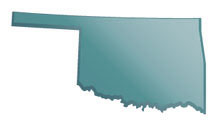
Oklahoma faces significant challenges related to child poverty, housing instability, and access to services. It also has more federally recognized tribes than any other state (currently 30+), many of which operate their own health and human services agencies with their own career pipelines. The demand for trained human services workers here is real and ongoing.
Where you fall on the education ladder determines what you can do, who you can work with, and whether you can practice independently. This guide covers the degree pathways available in Oklahoma, the credentials they lead to, and what the state’s labor market looks like for each level.


Human Services Career Paths by Degree Level
Human services is not one career. It’s a cluster of roles connected by a shared focus on supporting individuals, families, and communities. Your degree determines which roles you can enter, which licenses you can pursue, and how far you can advance.
| Degree Level | Common Roles in Oklahoma | Typical Credential |
|---|---|---|
| Associate’s or Certificate | Social and human service assistant, case aide, community support worker | No state license required |
| Bachelor’s | Juvenile court liaison, probation officer (may require additional state-specific training), rehabilitation case worker, behavioral management aide, community outreach worker | Licensed Social Work Associate (LSWA) or Licensed Social Worker (LSW) with a CSWE-accredited BSW |
| Master’s | Licensed Clinical Social Worker, school social worker, marriage and family therapist, social and community service manager | LMSW or LCSW through the Oklahoma State Board; MSW from a CSWE-accredited program required |
| Doctorate | Psychologist in private practice, clinical researcher, agency director, university faculty | PhD or PsyD; state psychology license |
If your goal is independent clinical practice, such as diagnosing and treating mental health conditions, you’ll need a master’s degree and a clinical license. A general BSW won’t get you there. That distinction matters when you’re choosing a program.
Salaries and Job Growth in Oklahoma
Figures are based on BLS May 2024 estimates and may vary by source and role classification. Social and human service assistants, typically an entry point into the field, earned a median annual salary of around $37,450. Social workers earned a median of approximately $40,250. Substance abuse, behavioral disorder, and mental health counselors earned a median of around $58,610, and community service managers, who typically oversee programs and supervise staff, earned a median of approximately $65,010.
BLS projections show steady growth across Oklahoma’s social services workforce through 2032, with consistent annual openings driven by both new job creation and workforce turnover.
| Occupation | Median Salary (OK) | Projected Growth (2022-2032) | Avg Annual Openings (OK) |
|---|---|---|---|
| Social and Human Service Assistants | ~$37,450 | 10.0% | 290 |
| Social Workers (Child, Family, School) | ~$40,250 | 4.9% | 540 |
| Counselors (Mental Health, Substance Abuse) | ~$58,610 | 8.3% | 80 |
| Social and Community Service Managers | ~$65,010 | 10.6% | 160 |
Working in Oklahoma’s Tribal Nations
Oklahoma has more federally recognized tribes than any other state (currently 30+). The Cherokee Nation, Chickasaw Nation, Choctaw Nation, Muscogee Nation, and others operate substantial health and human services departments, including behavioral health clinics, child welfare programs, elder care services, and substance abuse treatment centers. These agencies hire social workers, counselors, case managers, and program administrators, often with salaries and benefits that are competitive with state agency positions.
Tribal agencies are sovereign entities with their own hiring processes, though most roles still require standard state-recognized credentials and licenses. If you’re drawn to this sector, start researching specific tribal human services departments early, while you’re still choosing a graduate program, so you understand what they’re looking for before you commit to a specialization.
Licensure Pathways in Oklahoma
Oklahoma’s social work licensure system runs from the Licensed Social Work Associate (LSWA) at the bachelor’s level through the Licensed Master Social Worker (LMSW) and Licensed Clinical Social Worker (LCSW) at the master’s level. Each tier has specific education and supervised experience requirements overseen by the Oklahoma State Board of Licensed Social Workers. The LCSW is the credential that allows independent clinical practice, including diagnosis and treatment of mental health conditions. All LMSW and LCSW applicants must hold an MSW from a CSWE-accredited program. For program options, see our guide to MSW programs in Oklahoma.
If counseling rather than social work is your path, Oklahoma licenses both Licensed Professional Counselors (LPC) and Certified Alcohol and Drug Counselors (CADC) through separate boards. The education and examination requirements differ from social work licensure. We have detailed guides for each credential linked in the resources section below.
Frequently Asked Questions
What degree do I need to work in human services in Oklahoma?
It depends on the role. Entry-level positions like social and human service assistant or case aide don’t always require a degree, though a certificate or associate’s degree helps. Most frontline social work roles require a bachelor’s degree, and clinical or supervisory positions require a master’s. If you want to diagnose and treat mental health conditions independently, a master’s degree and a clinical license are both required.
How do I become a Licensed Clinical Social Worker (LCSW) in Oklahoma?
You’ll need an MSW from a CSWE-accredited program, followed by a required period of supervised post-graduate work in a clinical setting. After completing those hours, you apply through the Oklahoma State Board of Licensed Social Workers and pass the required examination. Our Oklahoma social work licensure requirements guide covers the full process, including current hour requirements and board contact information.
Do tribal nations in Oklahoma hire human services workers?
Yes. Many of Oklahoma’s tribal nations operate their own behavioral health programs, child welfare departments, elder care services, and substance abuse treatment centers. These positions often come with competitive pay and benefits. Because each tribe is a sovereign entity, check hiring requirements directly with individual tribal human services departments, as processes vary.
What is the difference between a human service assistant and a social worker in Oklahoma?
A social and human service assistant supports social workers and case managers by handling administrative tasks, client intake, and basic support services. A social worker with a BSW or MSW conducts assessments, develops care plans, and manages cases directly. An LCSW can also diagnose and treat mental health conditions. The degree and license you hold determine the level of responsibility and autonomy you carry in the role.
Does my degree program need to be accredited to get licensed in Oklahoma?
For social work licensure, yes. The Oklahoma State Board of Licensed Social Workers requires a BSW or MSW from a program accredited by the Council on Social Work Education (CSWE) for most license tiers. If you’re pursuing counseling credentials, check the specific requirements for LPC or CADC licensure through their respective boards, as accreditation standards may differ.
Key Takeaways
- Degree level shapes what you can do: Entry-level human services roles are accessible without a degree, but independent clinical practice requires an MSW and a clinical license, such as the LCSW.
- Oklahoma’s social services workforce is growing: BLS projections show growth across most major human services occupations through 2032, with consistent annual openings driven by new job creation and workforce turnover.
- Tribal employers are a significant part of the job market: Oklahoma has more federally recognized tribes than any other state, and many operate human services agencies that actively hire social workers, counselors, and case managers.
- Salary range is wide by credential level: Human services assistants earn a median of around $37,450 in Oklahoma, while community service managers earn a median of approximately $65,010, per BLS May 2024 estimates.
- CSWE accreditation matters for licensure: If you’re pursuing LCSW, LMSW, or other social work credentials in Oklahoma, your degree must come from a CSWE-accredited program.
Exploring your options in Oklahoma? Our state-specific guides cover licensing requirements, credential pathways, and program options for social work, counseling, and substance abuse careers.
2024 US Bureau of Labor Statistics salary and employment figures for Social Workers, Social and Human Services Assistants, Social and Community Service Managers, and Substance Abuse, Behavioral Disorder, and Mental Health Counselors, reflect state and national data, not school-specific information. Conditions in your area may vary. Data accessed April 2026.