Human Services Education in Virginia
Virginia offers strong career prospects in human services, with roles in social work, counseling, case management, and community service management growing across the state. A bachelor’s degree opens entry-level positions, while a master’s unlocks licensure-eligible clinical roles. According to the BLS, Virginia’s social and human service assistants alone are projected to grow 16.1% through 2032.
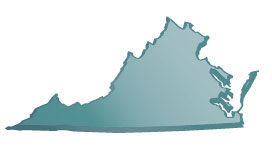
Virginia’s proximity to Washington, D.C., shapes its human services landscape in real ways. Federal agencies, nonprofits, veterans’ organizations, and state programs all draw workers from the region, and demand runs across every career tier. Whether you’re drawn to substance abuse counseling in Richmond, school social work in Northern Virginia, or community program management in Hampton Roads, the state has a lot to offer those building careers in this field.
The path you take depends mostly on the credential you’re aiming for. A bachelor’s degree in social work, sociology, or psychology qualifies you for entry-level positions and supervised roles. A master’s degree opens the door to clinical licensure, independent practice, and supervisory positions. A doctoral degree leads to research, administration, and private practice. Each level has a distinct set of outcomes, so knowing where you want to land is the most useful place to start.


Human Services Careers in Virginia by Degree Level
Virginia’s human services workforce spans dozens of job titles across education, healthcare, corrections, nonprofits, and government. The table below organizes the most common career paths by degree level, along with the typical credential or licensure associated with each role.
| Degree Level | Example Roles | Typical Credential |
|---|---|---|
| Associate’s | Human services assistant, case aide, residential counselor | AAS in Human Services; some roles require no licensure |
| Bachelor’s | Licensed Social Worker, case manager, probation officer, behavioral management aide, rehabilitation caseworker, child life specialist | BSW from a CSWE-accredited program for LSW; BA in sociology, psychology, or social work for generalist roles |
| Bachelor’s + Certification | Substance abuse counselor (CSAC), juvenile court liaison, community outreach worker | CSAC (Certified Substance Abuse Counselor), issued by the Virginia Certification Board, requires supervised hours post-degree |
| Master’s | Licensed Clinical Social Worker, Licensed Professional Counselor, marriage and family therapist, school social worker, child welfare case manager | MSW from a CSWE-accredited program + supervised hours for LCSW; master’s in counseling + hours for LPC |
| Doctoral | Program director, clinical supervisor, researcher, private practice clinician, faculty | PhD or DSW; independent licensure in most clinical specialties |
Virginia’s licensure system for counselors and social workers requires post-degree supervised experience at every clinical level. The LCSW requires an MSW from a CSWE-accredited program plus 3,000 hours of postgraduate supervised experience, including board-defined clinical and supervision components. The LPC requires a master’s in counseling and 3,400 hours of supervised postgraduate experience, including at least 2,000 hours of direct client contact, as defined by Virginia’s LPC licensure requirements. Those hours accumulate in your first years of practice, so understanding the timeline before you choose a graduate program matters.
Salary and Job Growth for Human Services Workers in Virginia
Virginia generally pays above the national median for human services roles, driven in part by the D.C. metro market and the concentration of government and nonprofit work across the state. The figures below are based on BLS May 2024 data and Virginia Employment Commission projections through 2032.
| Occupation | VA Median Salary | Projected Growth (2022–2032) | Avg Annual Openings (VA) |
|---|---|---|---|
| Social and Human Service Assistants | $43,190 | 16.1% | 1,420 |
| Substance Abuse, Behavioral Disorder, and Mental Health Counselors | $58,410 | — | — |
| Child, Family, and School Social Workers | $60,280 | 8.5% | 800 |
| Mental Health and Substance Abuse Social Workers | — | 13% | 390 |
| Social and Community Service Managers | $93,150 | 13.3% | 300 |
The growth numbers reflect a broader national trend toward expanding community-based services, but Virginia’s numbers are notable. Social and human service assistants are projected to grow at 16.1% statewide, one of the strongest rates among entry-level roles. For those targeting management-level positions, social and community service managers are projected to grow by 13.3% and have a median salary of nearly $93,000 in Virginia.
Accreditation and Credentials: What to Look For
Not all human services degrees are equal when it comes to career outcomes. Two accreditation bodies matter most in Virginia’s licensed professions: CSWE (Council on Social Work Education) for social work programs, and CACREP (Council for Accreditation of Counseling and Related Educational Programs) for counseling programs. If your goal is LCSW or LPC licensure, Virginia’s licensing board will require a degree from a CSWE- or CACREP-accredited program, respectively. Enrolling in a non-accredited program and planning to take the licensure exam later is a significant risk.
In Virginia, substance abuse counselors use the Certified Substance Abuse Counselor (CSAC) credential, administered by the Virginia Certification Board. The Virginia substance abuse counselor certification requires a bachelor’s degree plus supervised clinical hours, so it’s accessible after a four-year program rather than requiring a graduate degree. This makes it a common first step for people who want to work in addiction services while deciding whether to pursue graduate school.
Virginia also has its own licensed clinical psychologist pathway through the Board of Psychology, which requires a doctoral degree and supervised internship hours. For those interested in that route, we have a separate guide to Virginia psychology requirements that covers the full process.
Frequently Asked Questions
What degree do I need to work in human services in Virginia?
It depends on the role. Many entry-level positions, such as human services assistant, case aide, and community outreach worker, are accessible with an associate’s or bachelor’s degree. Roles requiring licensure, such as Licensed Social Worker (LSW) or Certified Substance Abuse Counselor (CSAC), require a bachelor’s degree from an accredited program and supervised hours. Clinical roles like LCSW or LPC require a master’s degree and additional postgraduate experience.
Does Virginia require a CSWE-accredited degree for social work licensure?
Yes. The Virginia Board of Social Work requires a degree from a CSWE-accredited program to sit for the LSW or LCSW exam. If you’re planning to pursue licensure, confirm the accreditation status of any program you’re considering before enrolling. Most major Virginia universities offering social work degrees hold CSWE accreditation, but online programs vary in their accreditation status.
How long does it take to become an LPC in Virginia?
Becoming a Licensed Professional Counselor in Virginia typically takes 6 to 8 years. That includes four years for a bachelor’s degree, two to three years for a master’s in counseling from a CACREP-accredited program, and then 3,400 hours of supervised postgraduate experience, including at least 2,000 hours of direct client contact as defined by the Virginia Board of Counseling. Most candidates complete that supervised period in about two years, working full-time in a clinical setting.
What’s the difference between a human services degree and a social work degree?
A human services degree is broader in scope, preparing graduates for generalist roles in community agencies, nonprofits, and support services. A social work degree, especially a BSW or MSW from a CSWE-accredited program, provides a more specialized track toward licensed practice. If your goal is LCSW licensure in Virginia, the MSW pathway is required. If you want flexibility across multiple service sectors without a specific licensure target, a human services degree may serve you just as well.
Are human services jobs growing in Virginia?
Yes. The BLS projects strong growth across most human services occupations in Virginia through 2032. Social and human service assistants are projected to grow 16.1%, while social and community service managers are projected to grow 13.3%. Mental health and substance abuse social workers show 13% projected growth statewide, reflecting rising demand for behavioral health services across the Commonwealth.
Key Takeaways
- Degree level determines career options. Entry-level roles are accessible with a bachelor’s degree, but clinical licensure (LCSW, LPC) requires a master’s degree plus postgraduate supervised hours in Virginia.
- Accreditation matters for licensure. The Virginia licensing boards for social workers and counselors require degrees from CSWE- or CACREP-accredited programs. Verify accreditation status before enrolling.
- Virginia pays above the national median for several roles. Social and community service managers earn a median of $93,150 in Virginia, and child and family social workers earn $60,280, both figures above many states’ medians.
- Growth is strong across the board. Human service assistant roles are projected to grow 16.1% in Virginia through 2032, with community service manager and mental health social worker roles not far behind.
- Specialty credentials open specific doors. The CSAC credential from the Virginia Certification Board is the primary route into substance abuse counseling without a master’s degree.
Exploring human services programs in Virginia? Our state-by-state licensing guides break down exactly what credentials you need for each career path.
2024 US Bureau of Labor Statistics salary and employment figures for Social Workers, Social and Human Services Assistants, Social and Community Service Managers, and Substance Abuse, Behavioral Disorder, and Mental Health Counselors, reflect state and national data, not school-specific information. Conditions in your area may vary. Data accessed April 2026.