Human Services Degree Programs in North Carolina
A human services degree in North Carolina prepares you for careers in social work, counseling, case management, and community services. A bachelor’s opens entry-level roles at state agencies, nonprofits, and healthcare organizations. A master’s qualifies you for clinical licensure and program management. The Bureau of Labor Statistics projects strong growth across NC human services occupations through 2032.
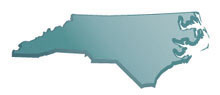
North Carolina’s network of hospitals, county agencies, nonprofit organizations, and community health programs runs on human services workers. School social workers, substance abuse counselors, case managers, behavioral health aides — these roles exist in every corner of the state, from Charlotte and Raleigh to rural Appalachian communities.
If you’re figuring out which degree level makes sense for your goals, or what careers are available with a human services background in NC, this page lays it out. Below you’ll find career paths organized by degree level, what programs typically teach, how licensure works in this state, and current salary data from the Bureau of Labor Statistics.


What You Can Do With a Human Services Degree in North Carolina
The roles available to you depend heavily on your degree level. Here’s a breakdown of the career paths that typically open at each stage of education.
| Degree Level | Example Careers in NC | Key Credentials / Notes |
|---|---|---|
| Bachelor’s | Certified Social Worker, Substance Abuse Counselor, Child Life Specialist, Case Management Aide, Community Outreach Worker, Rehabilitation Case Worker, Probation Officer | A BSW from a CSWE-accredited program is required for licensed social work roles; some entry-level positions may accept related degrees; substance abuse counseling requires NC SAPPB certification. |
| Master’s | Licensed Clinical Social Worker (LCSW), Certified Master Social Worker, School Social Worker, Marriage and Family Therapist, Child Welfare Case Manager, Social and Community Service Manager | MSW from a CSWE-accredited program is required for LCSW; see MSW programs in North Carolina for program options; clinical licensure also requires postgraduate supervised hours; management roles often accept MBA, social work, or psychology at the master’s level |
| Doctoral | Private Practice Clinician, University Faculty, Senior Program Administrator, Research Director | Doctoral degrees can support advanced clinical or academic careers, but independent practice requires appropriate state licensure. |
What You’ll Learn in a Human Services Program
Human services programs in North Carolina draw from psychology, sociology, social work, and criminal justice. You’ll build skills in case management, crisis intervention, motivational interviewing, community advocacy, and group facilitation. Most programs include at least one fieldwork placement, which puts you in an actual agency setting before you graduate.
At the associate and bachelor’s level, programs tend to focus on direct service skills and working with specific populations, including children and families, individuals with disabilities, people in recovery, and older adults. At the master’s level, coursework shifts toward clinical assessment, program management, policy analysis, and advanced therapeutic techniques. Both levels share a strong emphasis on professional ethics, cultural competency, and documentation.
Licensure and Credentials in North Carolina
There’s no single state license for “human services generalist” in North Carolina. Credentials are specific to your role and the population you’ll serve. That means which license you’ll need depends on the path you choose, not on your degree alone.
Social workers in NC are licensed through the NC Social Work Certification and Licensure Board, which issues credentials ranging from Certified Social Worker (CSW) at the bachelor’s level to Licensed Clinical Social Worker (LCSW) at the master’s level. If you’re heading toward counseling, licensure runs through the NC Board of Licensed Professional Counselors — you can read about those requirements on our North Carolina LPC page. Substance abuse counseling has its own pathway through the NC Substance Abuse Professional Practice Board, covered in detail on our NC substance abuse counselor page.
The short version: your degree gets you in the door. Your license allows you to practice independently and assume clinical responsibilities. If clinical work is your goal, plan for postgraduate supervised hours in addition to your degree program.
Salaries and Job Outlook in North Carolina
Human services salaries in North Carolina vary by role and level of responsibility. According to the Bureau of Labor Statistics, here are the key occupations that earned in NC as of May 2024 and how employment is projected to grow through 2032.
| Occupation | Median Annual Salary (NC) | Projected Growth (2022-2032) | Avg. Annual Openings (NC) |
|---|---|---|---|
| Social Workers (Child, Family, School) | $59,010 | +14.2% | 1,230 |
| Substance, Behavioral, and Mental Health Counselors | $60,440 | +15.1% | 130 |
| Social and Human Services Assistants | $42,460 | +14.4% | 650 |
| Social and Community Service Managers | $81,560 | +16.6% | 310 |
Growth is projected across these occupations. Contributing factors may include demographic and healthcare trends. The roles with the most openings, social workers and human services assistants, are also the most common entry points for new graduates.
Frequently Asked Questions
What can you do with a human services degree in North Carolina?
A bachelor’s degree opens the door to roles in case management, community outreach, substance abuse counseling, child welfare, and rehabilitation services. A master’s degree qualifies you for clinical licensure (LCSW, LPC) and program management positions. The specific roles available depend on your degree level, field experience, and whether you pursue additional state licensure.
Do you need a license to work in human services in North Carolina?
It depends on your role. There’s no single generalist license for human services workers in NC. Social workers are licensed by the NC Social Work Certification and Licensure Board, counselors by the NC Board of Licensed Professional Counselors, and substance abuse professionals by the NC Substance Abuse Professional Practice Board. Entry-level support roles often don’t require licensure, but clinical roles do.
What’s the difference between a human services degree and a social work degree?
A social work degree, particularly a BSW or MSW from a CSWE-accredited program, is required for formal social work licensure in NC. A human services degree is broader and prepares you for a wider range of support and coordination roles, but won’t qualify you for licensed social work positions on its own. If licensure is your goal, verify that the program you choose meets the specific credential requirements for your intended role.
How long does it take to earn a human services degree in North Carolina?
An associate’s degree typically takes two years. A bachelor’s degree takes four years, or less if you transfer credits. A master’s degree generally adds 2 years to the bachelor’s degree, though some accelerated programs compress the timeline. Doctoral programs vary but often run three to five years beyond the master’s level.
Key Takeaways
- Degree level determines your options. A bachelor’s degree opens entry-level roles, a master’s degree unlocks clinical licensure and management positions, and a doctorate opens advanced clinical and academic paths.
- Licensure is role-specific in NC. There’s no single human services generalist license. Social work, counseling, and substance abuse credentials each have their own board and requirements.
- Salaries range widely by role. BLS data puts NC median salaries from $42,460 for human services assistants to $81,560 for community service managers.
- Job growth is strong across the field. Most NC human services occupations are projected to grow 14 to 17 percent between 2022 and 2032.
- Fieldwork matters. Most degree programs include supervised placements, and clinical licensure requires additional postgraduate supervised hours beyond the degree.
Ready to explore your options? Browse career overviews, salary data, and education requirements across human services fields.
2024 US Bureau of Labor Statistics salary and employment figures for Social Workers, Social and Human Services Assistants, Social and Community Service Managers, and Substance Abuse, Behavioral Disorder, and Mental Health Counselors, reflect state and national data, not school-specific information. Conditions in your area may vary. Data accessed April 2026.