MSW Programs in North Carolina | Master of Social Work in NC
North Carolina has a number of CSWE-accredited MSW programs at universities including UNC Chapel Hill, NC State, and East Carolina University. An MSW meets the academic requirement for advanced and clinical licensure in NC. According to BLS May 2024 estimates, social workers in the state earn a median salary of approximately $57,660, with strong job growth projected through 2032.
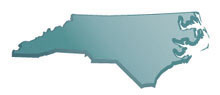
North Carolina’s human services workforce is under real pressure. The state has elevated rates of drug overdose, and recent natural disasters have created ongoing demand for crisis response and recovery services. A growing population is also stretching child welfare and behavioral health systems statewide. Social workers are at the center of the response to all of it. If you’re thinking about an MSW in North Carolina, you’re looking at a field with strong workforce demand.
A Master of Social Work gives you the academic credential required for licensure in North Carolina and opens the door to clinical, administrative, and policy roles that a bachelor’s degree won’t reach. Whether you’re planning to work in a Charlotte hospital, a rural community mental health center, or a state agency in Raleigh, the MSW is the degree that qualifies you for the most advanced positions in the field.


What You Can Do with an MSW in North Carolina
The MSW leads to a wide range of careers. The roles available to you will depend on your specialization, your licensure level, and the populations you want to work with. Here’s a look at three common directions MSW graduates take in North Carolina, along with median salary data from the Bureau of Labor Statistics.
Figures are based on BLS May 2024 estimates and may vary by role and source.
| Career Path | Typical Settings | NC Median Salary |
|---|---|---|
| Child, Family & School Social Worker | Schools, child protective services, nonprofits, and family service agencies | approximately $57,660 |
| Mental Health & Substance Abuse Counselor | Behavioral health centers, outpatient treatment programs, and community mental health | approximately $56,470 |
| Social and Community Service Manager | Government agencies, community organizations, nonprofits | approximately $77,320 |
Other paths include healthcare social work in major systems like Duke Health and UNC Health, school social work, marriage and family therapy (with additional licensure), and policy and advocacy roles at the state level. North Carolina’s population size and geographic diversity mean that demand for qualified social workers spans rural, suburban, and urban communities.
Choosing the Right MSW Program in North Carolina
North Carolina has a number of CSWE-accredited MSW programs. That means you have real options, and the comparison work matters. Here are the factors that make the biggest difference.
CSWE Accreditation
CSWE accreditation is non-negotiable if you plan to pursue licensure in North Carolina. The state’s NC Social Work Certification and Licensure Board requires that your degree come from a CSWE-accredited program. Don’t assume accreditation is automatic. Verify it before applying to any program.
Clinical vs. Generalist Concentration
Most NC programs offer two main concentrations. A direct practice or clinical track prepares you for one-on-one therapeutic work and is the required path toward the Licensed Clinical Social Worker (LCSW) credential. A macro or advanced generalist track focuses on administration, community organizing, and policy practice. Your concentration choice shapes your field placement, your licensure pathway, and your long-term career options. If you’re drawn to independent clinical work or private practice, the clinical track is the one that gets you there.
Advanced Standing Programs
If you hold a BSW from a CSWE-accredited program, you may qualify for advanced standing MSW. These accelerated tracks typically take 12 months instead of two years by waiving the foundational coursework year. NC State, UNC Chapel Hill, North Carolina Central University, and East Carolina University all offer advanced standing options. Each has its own GPA and admissions requirements, so check the specifics before applying.
Campus vs. Online
Several NC universities offer fully or partially online MSW programs, including UNCW and East Carolina University’s part-time online track. Online programs often provide greater flexibility for working adults, though field placement hours still need to be completed in person at an approved agency. If you’re outside a major metro area or need to keep your job while earning the degree, an online format can make the timeline workable.
Online MSW Programs in North Carolina
With the 100% online Master of Social Work at the University of Kentucky, you can earn a CSWE-accredited MSW that meets all the requirements for licensure in North Carolina through a school that’s been preparing social workers for more than 80 years.
Online MSW programs based outside North Carolina can meet NC licensure requirements, provided they’re CSWE-accredited and confirm they meet SARA authorization requirements for NC students. Always ask the admissions office directly whether NC residents are eligible for licensure before enrolling. Field placement hours are still required in person at an approved North Carolina agency, regardless of where the program is based. For a broader comparison of online options, see our guide to the best online MSW programs.
Salary and Job Outlook in North Carolina
Figures are based on BLS May 2024 estimates and may vary by role and source. According to the Bureau of Labor Statistics, the median salary for child, family, and school social workers in North Carolina is approximately $57,660. Mental health and substance abuse counselors earn a median of approximately $56,470. Social and community service managers, who typically step into these roles after several years of direct practice experience, earn a median of approximately $77,320 in the state.
Job growth across social work roles in North Carolina is projected to be strong through 2032, with consistent annual openings driven by demand and turnover. Growth is expected across all major specializations, including child and family services, healthcare social work, behavioral health, and community service management.
Licensure After Your MSW in North Carolina
Earning your MSW fulfills the academic requirement for advanced and clinical social work licensure in North Carolina. If your goal is independent clinical practice, including the ability to diagnose and treat mental health conditions, you’ll need to pursue the Licensed Clinical Social Worker (LCSW) credential. That path requires completing post-MSW supervised clinical hours and passing a licensure examination after graduating. For a closer look at how the credentials compare, see our overview of LCSW vs. MSW.
For a detailed breakdown of NC’s licensure requirements and the supervised hours required at each level, see our guide to social work licensure in North Carolina. The North Carolina Department of Health and Human Services is also a useful resource if you’re considering public sector employment after graduating.
Frequently Asked Questions
Do I need a CSWE-accredited MSW to get licensed in North Carolina?
Yes. The NC Social Work Certification and Licensure Board requires that applicants hold a degree from a CSWE-accredited program. This applies to advanced and clinical licensure levels in the state. Before enrolling in any MSW program, confirm it holds current CSWE accreditation.
What’s the difference between a clinical and a generalist MSW concentration?
A clinical concentration prepares you for direct therapeutic work with individuals and families and is the required path for the LCSW credential. A generalist or macro concentration focuses on program administration, policy, and community practice. Your concentration shapes your field placement and, eventually, your licensure pathway and career options.
Can I earn an MSW online and still get licensed in North Carolina?
Yes, as long as the program is CSWE-accredited and has confirmed SARA authorization to enroll NC students. You’ll still need to complete in-person field placement hours at an approved North Carolina agency. Ask the admissions office directly whether NC residents are eligible for licensure before applying.
What is the advanced standing MSW option?
Advanced standing is an accelerated MSW track for graduates of CSWE-accredited BSW programs. It typically takes 12 months rather than two years by waiving the foundation year of coursework. NC programs that offer it include NC State, UNC Chapel Hill, NCCU, and East Carolina University. Each has its own GPA and application requirements.
What can I do with an MSW that I can’t do with a BSW in North Carolina?
An MSW is required for clinical licensure, most management and administrative roles, and many specialized positions in hospitals, government agencies, and private practice. It also expands your earning potential and, in most settings, your level of autonomy in practice.
Key Takeaways
- CSWE accreditation is required for advanced and clinical NC licensure. Confirm it before you enroll in any program.
- Multiple accredited programs to choose from, including campus and online options at NC State, UNC Chapel Hill, NCCU, ECU, and UNCW.
- BSW holders can fast-track through an advanced standing program and finish in as little as 12 months.
- Your concentration is a consequential choice. The clinical track leads to the LCSW. The generalist track leads to administrative and policy careers.
- Job growth is strong, with consistent annual openings projected across social work specializations in NC through 2032.
- Online programs can qualify, provided they’re CSWE-accredited and SARA-authorized for NC students.
To review North Carolina’s licensure requirements and explore programs that fit your goals, visit our guide to social work licensure in North Carolina.
2024 US Bureau of Labor Statistics salary and employment figures for Social Workers, Social and Human Services Assistants, Social and Community Service Managers, and Substance Abuse, Behavioral Disorder, and Mental Health Counselors, reflect state and national data, not school-specific information. Conditions in your area may vary. Data accessed April 2026.