Human Services Careers and Education in Mississippi
Mississippi employs thousands of social workers, counselors, and human services professionals across state agencies, schools, hospitals, and nonprofits. A bachelor’s degree opens entry-level roles, while a master’s unlocks clinical licensure and management positions. State projections show strong demand through 2032, with over 1,100 average annual job openings across key human services occupations.
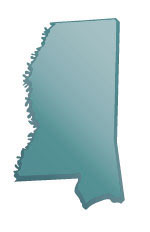
Mississippi has real workforce needs in human services, from child welfare agencies in Jackson to community mental health centers in Biloxi. The state’s Department of Human Services, Department of Child Protection Services, Department of Rehabilitation Services, and network of nonprofits are all looking for workers with the right education. If you’re weighing a career in social work, counseling, or community services, the path starts with understanding which roles align with your degree level and your state’s licensing landscape.


This guide covers human services career options at the bachelor’s and master’s levels, what those jobs pay in Mississippi, and where demand is growing.
Careers with a Bachelor’s Degree in Mississippi
A bachelor’s degree in social work, psychology, sociology, or a related field qualifies you for most entry-level direct service and case management roles in the state. Some positions, like Licensed Bachelor Social Worker, require a BSW specifically from a CSWE-accredited program. Others accept a range of social science degrees.
| Career | Typical Degree |
|---|---|
| Case Management Aide | BSW, Sociology, or Psychology |
| Behavioral Management Aide | BSW, Sociology, or Psychology |
| Rehabilitation Case Worker | BSW, Sociology, or Psychology |
| Community Outreach Worker | BSW, Sociology, or Psychology |
| Juvenile Court Liaison / Probation Officer | Sociology, Social Work, Psychology, or Criminal Justice |
| Substance Abuse Counselor | Sociology, Social Work, or Psychology |
| Child Life Specialist | BS in Child Life |
| Gerontology Specialist | BS in Gerontology |
| Licensed Bachelor Social Worker (LBSW) | BSW from a CSWE-accredited program |
Mississippi’s Department of Child Protection Services accepts bachelor’s degrees in social work, psychology, sociology, nursing, criminal justice, counseling, and related fields. Most state agency roles are similar: a four-year degree in a social science discipline gets you in the door.
Careers with a Master’s Degree
A master’s degree opens the door to clinical licensure, supervisory roles, and higher-paying management positions. If you’re considering a master’s in human services or an MSW, the degree you choose should match the specific role you’re targeting. In Mississippi, the Licensed Master Social Worker (LMSW) and Licensed Certified Social Worker (LCSW) credentials both require an MSW from a CSWE-accredited program plus supervised field experience. The LCSW adds clinical hours and allows independent practice, including diagnosing and treating mental health conditions. That distinction matters when you’re choosing a graduate program. For working adults, online MSW programs from CSWE-accredited schools offer a flexible path to meet those requirements.
| Career | Typical Degree |
|---|---|
| Licensed Master Social Worker (LMSW) | MSW from a CSWE-accredited program + field experience |
| Licensed Certified Social Worker (LCSW) | MSW from a CSWE-accredited program + clinical hours |
| Marriage and Family Therapist | Master’s in Counseling, Psychology, or MFT |
| Child Welfare Case Manager | MSW, Psychology, Sociology, or MBA |
| Social and Community Service Manager | MSW, Psychology, Sociology, or MBA |
If long-term earning potential is a factor in your decision, master ‘s-level management and clinical roles pay significantly more than entry-level direct service positions. A doctorate opens additional paths in clinical research and academic instruction at Mississippi’s universities.
What These Jobs Pay in Mississippi
Salaries in Mississippi are below the national median, consistent with the state’s cost of living. That said, management-level and clinical roles offer substantially higher earnings than direct service positions.
| Occupation | Median Annual Salary | 90th Percentile |
|---|---|---|
| Social and Community Service Managers | $67,080 | $105,410 |
| Substance Abuse, Behavioral Disorder, and Mental Health Counselors | $46,810 | $78,480 |
| Child, Family, and School Social Workers | $44,690 | $60,930 |
| Social and Human Services Assistants | $28,900 | $47,140 |
Job Outlook in Mississippi
State projections through 2032 show consistent growth across human services occupations in Mississippi. Social and Human Services Assistants lead on volume, with an average of 410 job openings per year. That figure accounts for both new positions and turnover replacement, and it reflects genuine workforce demand across state agencies, nonprofits, and healthcare settings.
Social and Community Service Managers are projected to grow 15.7% through 2032, the strongest rate among the major human services categories tracked by the state. Healthcare Social Workers are close behind at 11.3%. Mental health and substance abuse social workers are projected to add approximately 100 net new positions through 2032, averaging 100 annual openings, including turnover. The Mississippi Department of Employment Security maintains current labor market data if you want to check updated projections.
Licensing in Mississippi
Not every human services career in Mississippi requires a license, but several do. Social work practice is regulated by the Mississippi Board of Examiners for Social Workers. The three main credentials are the Licensed Bachelor Social Worker (LBSW), Licensed Master Social Worker (LMSW), and Licensed Certified Social Worker (LCSW). Each requires a degree from a CSWE-accredited program, supervised post-degree experience, and a licensing exam. The LCSW requires the most hours and authorizes independent clinical practice. You can review the full requirements in our Mississippi social work licensing guide.
Substance abuse counselors have a separate credentialing path through the Mississippi Association of Addiction Professionals. Marriage and family therapists are licensed through the Mississippi State Board of Examiners for Licensed Professional Counselors. If that’s your target credential, see our guide to Mississippi LPC requirements. If you’re targeting a specific role, check the licensure requirements for that credential early; they shape which degree program makes sense.
Frequently Asked Questions
What degree do I need to work in human services in Mississippi?
Most entry-level positions require a bachelor’s degree in social work, psychology, sociology, or a related field. For clinical roles or management positions, a master’s degree is typically required. The Licensed Certified Social Worker (LCSW) credential, which allows independent clinical practice, requires an MSW from a CSWE-accredited program plus supervised clinical hours.
How much do social workers make in Mississippi?
Child, family, and school social workers in Mississippi earn a median annual salary of $44,690, according to the BLS May 2024 data. Experienced workers in the top 10% of earners reach $60,930. Social and community service managers, who typically hold a master’s degree, earn a median of $67,080.
Is there demand for human services workers in Mississippi?
Yes. State projections through 2032 show growth across all major human services occupations. Social and community service managers are projected to grow 15.7%. Social and human services assistants average 410 job openings per year, including new positions and turnover. Healthcare social workers are also growing at 11.3%.
Do I need a CSWE-accredited degree to work in social work in Mississippi?
Yes, if you want to pursue licensure. The LBSW, LMSW, and LCSW credentials all require a degree from a CSWE-accredited program. If you’re aiming for a generalist case management or outreach role without licensure, a broader social science degree may qualify you. But if clinical licensure is part of your long-term plan, CSWE accreditation matters from the start.
Key Takeaways
- Bachelor’s degrees open the most doors: BSW, psychology, and sociology degrees qualify for most entry-level roles in state agencies and nonprofits in Mississippi.
- Master’s degrees unlock clinical licensure: The LMSW and LCSW credentials both require an MSW from a CSWE-accredited program plus supervised experience.
- Salaries range widely by role: Human services assistants earn a median of $28,900, while community service managers earn $67,080, with top earners reaching over $105,000.
- Demand is strong and growing: Over 1,100 average annual job openings across key human services occupations, with management roles projected to grow 15.7% through 2032.
- Licensure requirements vary: Social work, substance abuse counseling, and marriage and family therapy each have separate credentialing paths in Mississippi.
Ready to explore your options? Browse Mississippi human services programs and licensing guides to find the path that fits your goals.
2024 US Bureau of Labor Statistics salary and employment figures for Social Workers, Social and Human Services Assistants, Social and Community Service Managers, and Substance Abuse, Behavioral Disorder, and Mental Health Counselors, reflect state and national data, not school-specific information. Conditions in your area may vary. Data accessed April 2026.