Iowa certifies substance abuse counselors at four levels through the Iowa Board of Certification: tCADC, CADC, IADC, and IAADC. Requirements vary by credential and range from 150 to 300 hours of education and 1,000 to 6,000 hours of supervised experience. A higher degree reduces the supervised hours required at the IADC level.
Iowa has a real need for substance abuse counselors. The opioid crisis hit rural communities hard, and treatment capacity across the state has struggled to keep pace with demand. People who want to work in addiction counseling have a structured path forward through the Iowa Board of Certification (IBC), a state member of the International Certification and Reciprocity Consortium (IC&RC). If you’re exploring adjacent paths, Iowa’s social work licensure requirements are covered separately. The IBC offers four certification levels, each designed to recognize different combinations of education, experience, and clinical skill. Requirements do change, so always confirm current standards directly with the Iowa Board of Certification before applying.
Before breaking down each credential, it helps to see how they stack up. The table below shows the key differences at a glance.
Credential
Min. Education
Ed. Hours Required
Supervised Experience
IC&RC Exam
tCADC
High school diploma / GED
150 clock hours
None (temporary credential)
ADC exam required
CADC
High school diploma / GED
150 clock hours
1,000 hrs (education track) or 3,000 hrs (experience track)
ADC exam required
IADC
High school diploma / GED (degree reduces hours)
270 clock hours
2,000–6,000 hrs depending on degree level
ADC exam required
IAADC
Master’s degree in behavioral science
300 clock hours (graduate level)
2,000 clock hours across 10 ADC domains
AADC exam required
Temporary Certified Alcohol and Drug Counselor (tCADC)
The tCADC is an entry-level credential for people who have completed the education requirements for CADC or IADC but haven’t yet accumulated supervised work experience. It’s a two-year temporary certification, not renewable, and it doesn’t carry reciprocity with other states. But it lets you begin working in an approved treatment setting while you build toward the full CADC credential.
To qualify for the tCADC, you must meet the education requirements for either the CADC or IADC (see below) and pass the IC&RC ADC exam.
Certified Alcohol and Drug Counselor (CADC)
The CADC is Iowa’s foundational certification for substance abuse counselors. It requires a high school diploma or GED and 150 clock hours of education covering these specific areas:
45 clock hours in Counseling Theories and Techniques
45 clock hours in Alcohol and Drug Specific content
6 clock hours in Special Populations
6 clock hours in Counseling Ethics
3 clock hours in Racial/Ethnic content
Up to 50% of those education hours can come from online or approved in-service training. For supervised experience, the IBC offers two tracks. The education track requires 24 semester hours of college credit in substance abuse or a related field (Counseling, Psychology, Sociology, Social Work, Human Services, or Criminal Justice) and 1,000 hours of supervised work experience. The experience track requires no college credit but 3,000 hours of supervised work experience instead.
All CADC applicants also need a minimum of 500 clock hours performing tasks across the eight ADC domains: Clinical Evaluation, Treatment Planning, Referral, Service Coordination, Counseling, Client/Family/Community Education, Documentation, and Professional and Ethical Responsibilities. At least 36 of those hours must be direct supervision with a qualified supervisor. You must also pass a criminal background check and the IC&RC ADC exam. Applications are submitted through the Iowa Board of Certification.
International Alcohol and Drug Counselor (IADC)
The IADC is a more advanced credential that requires 270 clock hours of AODA education, including:
90 clock hours in Counseling Theories and Techniques
90 clock hours in Alcohol and Drug Specific content
6 clock hours in Counseling Ethics
3 clock hours in Racial/Ethnic content
The supervised experience requirement depends on your degree level. Without a degree, you’ll need 6,000 hours. An Associate’s degree reduces that to 5,000 hours. A Bachelor’s degree brings it to 4,000 hours. A Master’s degree requires only 2,000 hours. All applicants must complete at least 300 clock hours performing tasks across the eight ADC domains. If you don’t hold at least a Bachelor’s degree, you’ll need 500 of those hours specifically in direct domain supervision. The IADC also requires passing the IC&RC ADC exam. See the Iowa Board of Certification for current application materials.
International Advanced Alcohol and Drug Counselor (IAADC)
The IAADC is Iowa’s highest certification level and requires a Master’s degree or Ph.D. in a behavioral science, with at least 30 graduate-level hours in Counseling or a closely related field. That must include at least 6 hours in Counselor Ethics and 3 hours in Racial/Ethnic content.
IAADC applicants must complete 2,000 clock hours performing tasks across ten ADC domains. The first eight are the same as other levels: Clinical Evaluation, Treatment Planning, Referral, Service Coordination, Counseling, Client/Family/Community Education, Documentation, and Professional and Ethical Responsibilities. The IAADC adds two more: Research Design Analysis and Utilization, and Clinical Supervision. At least 300 of those hours must be direct supervision within the ten domains. The exam at this level is the IC&RC AADC (Advanced Alcohol and Drug Counselor) exam, which was updated in 2025 based on a revised job analysis.
IC&RC Reciprocity
Because the IBC is a member of the IC&RC, Iowa counselors holding the IADC or IAADC credential can practice in other IC&RC member states through reciprocity. If you’re moving to Iowa from another IC&RC member state, you can apply for certification with a $100 reciprocity application fee. The CADC is state-specific and doesn’t carry IC&RC reciprocity. Some counselors also pursue clinical counseling licensure in Iowa alongside or instead of substance abuse certification, depending on their career goals.
Iowa Substance Abuse Counselor Salary
According to the Bureau of Labor Statistics, substance abuse, behavioral disorder, and mental health counselors in Iowa earned a median annual salary of $60,880 as of May 2024. The top 25% earned $78,830 or more, and the top 10% earned $89,840 or more. Iowa’s projections for mental health and substance abuse social workers indicate 21.3% growth between 2022 and 2032, with an average of approximately 110 annual job openings, according to Iowa Workforce Development data.
Frequently Asked Questions
What’s the difference between the CADC and IADC in Iowa?
The CADC is Iowa’s entry-level certification and requires 150 hours of education plus either 1,000 or 3,000 hours of supervised experience, depending on your college background. The IADC is more advanced, requiring 270 hours of education and between 2,000 and 6,000 supervised hours, depending on your degree level. The IADC also carries IC&RC reciprocity, meaning it’s recognized in other member states. The CADC is Iowa-specific.
Can I work as a substance abuse counselor in Iowa while completing my hours?
Yes. The tCADC credential exists for this purpose. If you’ve completed the education requirements for CADC or IADC and passed the IC&RC ADC exam, you can apply for the tCADC and begin working in an approved treatment setting while you accumulate supervised hours. The tCADC is valid for two years and is not renewable.
Do I need a college degree to become certified in Iowa?
Not for the CADC. That credential requires only a high school diploma or GED, along with the required education hours and supervised experience. A degree helps significantly at the IADC level, where a Master’s degree cuts the experience requirement from 6,000 hours down to 2,000. The IAADC requires a Master’s degree or higher.
How does the IC&RC exam requirement work in Iowa?
The CADC and IADC both require passing the IC&RC ADC exam. The IAADC requires the AADC exam, updated in 2025. Once the IBC approves your application, you have one year to pass your exam.
Where do I submit my application for certification in Iowa?
All applications go through the Iowa Board of Certification. You’ll complete the application online through the IBC, then print and mail it with the required documentation. The IBC typically reviews applications within about 10 business days. Confirm current fees and form requirements directly with the IBC before submitting.
Key Takeaways
Four credential levels. Iowa certifies substance abuse counselors at the TCADC, CADC, IADC, and IAADC levels, each with distinct education and experience requirements.
Degree reduces your hours. At the IADC level, a Master’s degree reduces the supervised experience requirement from 6,000 hours to 2,000 hours. A Bachelor’s degree reduces it to 4,000.
tCADC lets you start working sooner. Once you’ve finished the education requirements and passed the ADC exam, the temporary credential lets you work in a treatment setting while you build supervised hours.
IADC and IAADC carry IC&RC reciprocity. These credentials are recognized across IC&RC member states. The CADC is Iowa-specific.
Median salary of $60,880. Iowa substance abuse and mental health counselors earned a median annual salary of $60,880 as of May 2024, according to the Bureau of Labor Statistics.
Ready to explore programs that meet Iowa certification requirements? Browse accredited counseling and human services programs that can help you satisfy the education hours the IBC requires.
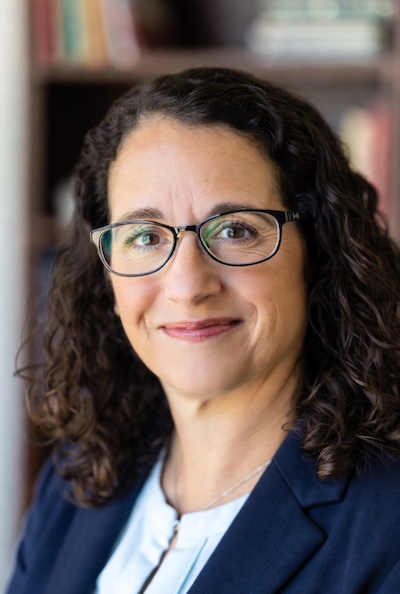
Dr. Nicole Harrington, Ph.D., LCSW, HS-BCP is a licensed clinical social worker and Board Certified Human Services Practitioner with 20+ years in practice, supervision, and teaching. She earned her MSW from the University of Michigan and Ph.D. in Human Services from Walden University. At Human Services Edu, she ensures all content aligns with standards from CSHSE, CSWE, CACREP, and MPCAC.