MSW Programs in Alaska | Master of Social Work Degree Guide
Alaska has two CSWE-accredited MSW programs: the University of Alaska Anchorage, which offers a fully online Advanced Generalist degree, and Alaska Pacific University. Both provide the educational foundation required for Alaska’s LMSW and LCSW licensure. The UAA program accepts full-time, part-time, and Advanced Standing applicants and can be completed in two to four years.
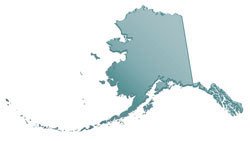
Social workers in Alaska carry a heavier load than in most states. The geography alone makes service delivery hard. Many communities are accessible only by small plane or boat, which means the professionals who serve them need strong credentials and a high tolerance for complexity. Alaska has historically reported high rates of substance use disorders and domestic violence compared to national averages, and gaps in rural mental health access remain significant. These realities shape what employers are looking for. An MSW isn’t just a credential here. It’s a practical necessity for many of the roles that matter most.


Why an MSW Opens More Doors in Alaska
A bachelor’s degree can get you into Alaska’s human services workforce. It won’t get you into clinical practice or independent licensure. If your goal is to provide therapy, diagnose mental health conditions, or eventually run your own practice, you need a master’s degree and the licensure that follows from it.
The MSW also makes a difference in roles that don’t yet require it. Alaska’s state agencies and tribal organizations increasingly prefer MSW-level candidates, particularly for supervisory positions, child welfare case management, and behavioral health work. Having the degree puts you in a different category when hiring decisions are made.
CSWE-Accredited MSW Programs in Alaska
There are two CSWE-accredited MSW programs based in Alaska. Accreditation by the Council on Social Work Education is essential because it’s what makes your degree count toward licensure in the state. Graduates of non-accredited programs are typically not eligible for Alaska’s social work licenses, per Alaska Board requirements.
University of Alaska Anchorage
UAA’s MSW is the largest and most established program in the state. The coursework is fully online, though field placement hours are completed in person in your local community — an important distinction if you’re weighing program formats. The curriculum follows an Advanced Generalist model, meaning graduates are trained for both direct clinical practice and broader policy and community work rather than a narrow specialty.
The program runs on a full-time or part-time basis. Full-time students finish in two years. Part-time students typically take four years. UAA also offers an Advanced Standing track for students who hold a BSW from a CSWE-accredited program, allowing them to enter the concentration year directly and complete the degree more quickly. UAA reports strong first-time licensure exam pass rates among its MSW graduates.
UAA’s MSW is specifically built around Alaska’s workforce needs, with a curriculum that addresses Alaska Native communities, rural social work, and the systemic challenges that define the state’s social service landscape.
Alaska Pacific University
Alaska Pacific University offers a second CSWE-accredited MSW option for students who want an alternative to UAA’s program. APU places particular emphasis on Alaska Native and rural populations, which makes it a strong fit for students who plan to work in tribal organizations or remote community settings.
Online MSW Programs from Out-of-State Schools
Alaska residents can also pursue an MSW through online programs offered by accredited universities in other states. This can be a reasonable path if you’re looking for a specialization that UAA and APU don’t offer. If you go this route, confirm that the program meets Alaska’s licensure requirements before enrolling — some out-of-state programs are designed primarily for their home state’s licensing framework.
Advanced Standing for BSW Graduates
If you already hold a BSW from a CSWE-accredited program, you don’t necessarily have to start the MSW from scratch. UAA’s Advanced Standing track lets eligible BSW graduates enter the second-year concentration curriculum directly, skipping foundational coursework they’ve already completed.
Admission to the Advanced Standing track isn’t automatic. UAA’s admissions committee reviews applications individually. You’ll need to have completed your BSW within the past five years and meet the program’s academic and professional requirements. If you qualify, it’s worth pursuing — it can reduce your time to degree by a year or more.
Alaska Social Work Licensure
The Alaska Board of Social Work Examiners oversees three licensure tiers in the state. The credential you’re eligible for depends on your degree level and, for clinical licensure, the supervised hours you accumulate after graduation.
| License | Required Degree | What It Authorizes |
|---|---|---|
| Licensed Baccalaureate Social Worker (LBSW) | BSW from CSWE-accredited program | Entry-level generalist social work practice does not authorize clinical or independent practice |
| Licensed Master Social Worker (LMSW) | MSW from CSWE-accredited program | Advanced generalist practice; eligible to sit for the LMSW exam immediately after graduation |
| Licensed Clinical Social Worker (LCSW) | MSW plus approximately 3,000 hours of supervised clinical practice (per Alaska Board requirements) | Independent clinical practice; authority to diagnose and treat mental health conditions |
You can read more about the full requirements for each credential in our Alaska social work licensure guide.
Social Work Careers and Salary in Alaska
An MSW qualifies you for a wide range of positions across Alaska’s healthcare, government, tribal, and nonprofit sectors. Common career paths include school social worker, child welfare case manager, clinical social worker, medical social worker, behavioral health clinician, and social work administrator. Supervisory and leadership roles in state agencies like the Alaska Department of Health typically require a master’s degree.
According to the Bureau of Labor Statistics, child, family, and school social workers in Alaska earned a median salary of $60,220 as of May 2024. The BLS projects approximately 7-8% job growth for this occupation in Alaska between 2022 and 2032, with about 90 annual job openings, including replacement needs. That outlook reflects both the state’s expanding healthcare infrastructure and the ongoing demand for qualified workers in underserved communities.
Frequently Asked Questions
How long does it take to earn an MSW in Alaska?
At UAA, full-time students complete the MSW in two years. Part-time students typically take three to four years. If you hold a BSW from a CSWE-accredited program and are admitted to the Advanced Standing track, you may finish faster by entering the concentration year directly.
Is UAA’s MSW program fully online?
UAA’s MSW coursework is delivered entirely online, which makes it accessible to students throughout the state. Field placement hours, however, are completed in person in your local community. You should confirm that the program aligns with Alaska licensure requirements if you plan to practice in the state.
What’s the difference between the LMSW and the LCSW in Alaska?
The LMSW is available immediately after completing your MSW. It authorizes advanced generalist social work practice but not independent clinical work. The LCSW requires approximately 3,000 hours of supervised clinical practice after graduation, plus passing a separate clinical exam through the ASWB. The LCSW is what you need to diagnose and treat mental health conditions independently.
Can I pursue an MSW from outside of Alaska?
Yes. Alaska residents can enroll in online MSW programs offered by accredited universities in other states. If you pursue an out-of-state program, verify that it meets Alaska’s licensure requirements before you enroll, as some programs are designed specifically around their home state’s framework.
Is CSWE accreditation required for social work licensure in Alaska?
Yes. The Alaska Board of Social Work Examiners requires a degree from a CSWE-accredited program for all three licensure tiers. Graduates of non-accredited programs are typically not eligible to sit for Alaska’s licensure exams, per Board requirements.
Key Takeaways
- Two CSWE-accredited in-state programs: UAA and Alaska Pacific University both provide the educational foundation required for Alaska social work licensure.
- UAA coursework is fully online: The program is distance-delivered with flexible full-time, part-time, and Advanced Standing tracks. Field placement is completed in person locally.
- LCSW requires post-degree hours: The MSW gets you the LMSW. Clinical licensure requires approximately 3,000 additional supervised hours and a separate exam.
- Alaska has a real workforce need: The BLS projects approximately 7-8% job growth for social workers in the state through 2032, with about 90 annual openings, including replacement needs.
- CSWE accreditation is non-negotiable: Whatever program you choose, accreditation is required for licensure in Alaska per Board requirements.
Ready to explore MSW programs that prepare you for social work practice in Alaska? Use our state guide to compare accredited options and understand the next steps in licensing.
2024 US Bureau of Labor Statistics salary and employment figures for Social Workers, Social and Human Services Assistants, Social and Community Service Managers, and Substance Abuse, Behavioral Disorder, and Mental Health Counselors, reflect state and national data, not school-specific information. Conditions in your area may vary. Data accessed April 2026.