Human Services Education in West Virginia
West Virginia human services careers span social work, counseling, case management, and community outreach. Entry-level roles typically require a bachelor’s degree, while clinical and independent practice licenses require a master’s degree plus supervised hours. BLS data shows median salaries ranging from about $37,860 to $62,460, with higher averages for management roles.
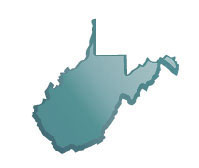
West Virginia has a persistent and well-documented need for human services workers. The state’s rural geography, high rates of poverty, and ongoing substance use crisis have created sustained demand for qualified social workers, counselors, case managers, and community service professionals. If you’re considering this field, you’re looking at a state where the work is real, the need is clear, and the job market reflects both.
This guide covers what careers are available in West Virginia human services, what education and licensure each path requires, and what you can expect to earn based on Bureau of Labor Statistics data.


Careers in West Virginia Human Services
Human services is a broad field. The specific career you pursue determines which degree you’ll need, which license you’ll work toward, and which setting you’ll work in. West Virginia employers span state agencies, hospitals, school districts, nonprofit organizations, and private practices.
Bachelor’s-Level Careers
A bachelor’s degree in social work, psychology, or sociology opens the door to several entry-level human services roles in West Virginia. These positions typically involve direct client contact, case coordination, and community-based support services.
- Licensed Social Worker (LSW): Requires a Bachelor of Social Work (BSW) from a CSWE-accredited program. LSWs work in case management, child and family services, and community outreach. Learn about West Virginia social work licensure requirements here.
- Substance Abuse Counselor: Requires a bachelor’s degree in social work, sociology, or psychology, plus state certification through the West Virginia Certification Board for Addiction and Prevention Professionals. Read more about becoming a West Virginia substance abuse counselor.
- Child Life Specialist: Works with pediatric patients and families in hospital settings. Roles exist within hospital systems and pediatric care settings across the state.
- Rehabilitation Case Worker: Helps individuals with disabilities achieve independence and employment goals. Typically requires a BSW, sociology, or psychology degree.
- Community Outreach Worker: Connects individuals and families with social services, benefits, and community resources. Found in nonprofits, government agencies, and health systems.
- Behavioral Management Aide: Works within school districts supporting students with behavioral challenges. West Virginia’s 55 county school districts employ these professionals statewide.
- Case Management Aide: Supports social workers in coordinating services for clients across health, housing, and family support programs.
- Probation Officer / Juvenile Court Liaison: Works within the criminal justice system, supporting court-involved youth and adults. Requires a degree in social work, sociology, psychology, or criminal justice.
Master’s-Level Careers
A master’s degree significantly expands your scope of practice in West Virginia. Clinical licensure, independent practice, and supervisory roles all require graduate-level education.
- Licensed Graduate Social Worker (LGSW): Entry-level post-MSW license. Requires a Master of Social Work (MSW) from a CSWE-accredited program.
- Licensed Certified Social Worker (LCSW): Requires an MSW plus supervised practice hours. Expands into clinical and program leadership settings.
- Licensed Independent Clinical Social Worker (LICSW): The highest social work license in West Virginia, allowing independent clinical practice and supervision of others. Requires MSW, clinical supervised hours, and passage of the ASWB clinical exam.
- Marriage and Family Therapist: Requires a master’s degree in counseling, psychology, or marriage and family therapy. Provides individual and family-based therapeutic services.
- School Social Worker: Works within K-12 schools addressing mental health, attendance, and family engagement. Requires an MSW.
- Social and Community Service Manager: Directs programs and staff at nonprofits, government agencies, and community organizations. Typically requires a master’s in social work, business administration, or a related field.
- Child Welfare Case Manager: Manages complex family cases within child protective services systems. Typically requires a bachelor’s or master’s degree, depending on the role and agency, plus state-specific training.
Doctoral-Level Careers
A PhD or DSW opens roles focused on advanced leadership, research, and academic work. If you’re aiming to direct a research team, teach at the university level, or take on senior policy positions, doctoral education is the path.
West Virginia Human Services Salaries
The following salary figures are based on the Bureau of Labor Statistics (BLS) May 2024 data and reflect median annual wages for West Virginia workers in key human services occupations.
| Occupation | Median Annual Salary | Annual Mean Salary |
|---|---|---|
| Substance Abuse, Behavioral Disorder, and Mental Health Counselors (SOC 21-1018) | $46,710 | $52,210 |
| Social Workers (SOC 21-1021) | $48,220 | $49,970 |
| Social and Human Services Assistants (SOC 21-1093) | $37,860 | $39,230 |
| Social and Community Service Managers (SOC 11-9151) | $62,460 | $71,770 |
Job Growth Outlook in West Virginia
According to recent BLS projections, human services occupations in West Virginia are expected to grow through 2032. Social and Human Service Assistants show the largest projected headcount increase, with approximately 460 new jobs and an average of 440 annual openings. Social and Community Service Managers are projected to grow approximately 13.3% over the same period, reflecting growing demand for program leadership. Child, Family, and School Social Workers are projected to add approximately 130 jobs, a 6.1% increase, with 180 average annual openings statewide.
Education Pathways for West Virginia Human Services Careers
Choosing the right degree depends on which career you’re targeting and what level of licensure you need. West Virginia follows a tiered system where your degree level determines your license eligibility, and your license determines your scope of practice.
For social work specifically, the Council on Social Work Education (CSWE) accreditation is not optional. West Virginia requires a degree from a CSWE-accredited program to sit for the Association of Social Work Boards (ASWB) licensure exam. West Virginia University’s School of Social Work offers CSWE-accredited BSW and MSW programs, including part-time and online options.
For substance abuse and addiction counseling, certification through the West Virginia Certification Board for Addiction and Prevention Professionals (WVCBAPP) is the state’s primary credentialing pathway. This is separate from social work licensure and has its own education and supervised hours requirements.
For counseling careers, West Virginia uses a two-tier system: the Provisional Licensed Counselor (PLC) for pre-licensure, and the Licensed Professional Counselor (LPC) for full independent practice. Learn more about West Virginia counseling licensure.
Frequently Asked Questions
What degree do I need to work in human services in West Virginia?
Most entry-level human services positions in West Virginia require at least a bachelor’s degree in social work, sociology, psychology, or a closely related field. Clinical roles and independent practice licenses require a master’s degree plus supervised hours. The specific degree required depends on the career and license you’re pursuing.
Does West Virginia require CSWE accreditation for social work licensure?
Yes. West Virginia requires a Bachelor of Social Work (BSW) or Master of Social Work (MSW) from a CSWE-accredited program to qualify for state social work licensure. Degrees from non-accredited programs do not meet the licensure requirement, so choosing an accredited program is the critical first step.
How much do human services workers earn in West Virginia?
According to BLS May 2024 data (released 2025), median annual salaries in West Virginia range from $37,860 for social and human services assistants to $62,460 for social and community service managers. Social workers have a median salary of $48,220, while substance abuse and mental health counselors earn a median of $46,710.
Is the job market for human services workers growing in West Virginia?
Yes. BLS projections show growth across all major human services occupations in West Virginia through 2032. Social and Human Service Assistants show the strongest growth in raw numbers, with 460 new positions expected. Social and Community Service Managers are projected to grow 13.3%, the fastest rate among tracked occupations.
What is the difference between a social worker license and a counseling license in West Virginia?
They’re separate credential systems regulated by different boards. Social work licensure in West Virginia is governed by the West Virginia Board of Social Work and includes four tiers: LSW, LGSW, LCSW, and LICSW. Counseling licensure is governed by a separate board and uses the PLC and LPC designations. Some roles accept either credential, but the education, exam, and supervised hours requirements are distinct.
Key Takeaways
- Entry-level roles require a bachelor’s degree: social work, psychology, or sociology are the most common fields of study for human services careers in West Virginia.
- Clinical and independent practice requires a master’s degree: the LICSW and LPC are the top independent practice licenses in West Virginia and both require graduate education plus supervised hours.
- CSWE accreditation is required for social work licensure: make sure any BSW or MSW program you consider is accredited before enrolling.
- Salaries vary significantly by role: from $37,860 for human services assistants to $62,460 for community service managers, based on BLS May 2024 data (released 2025).
- Job growth is projected across all tracked occupations: West Virginia is expected to add hundreds of human services jobs through 2032, with assistant and manager roles among the stronger growth areas.
Ready to explore your options in West Virginia? Use our state-by-state guides to look up specific licensing requirements and find accredited programs that match your career goals.
2024 US Bureau of Labor Statistics salary and employment figures for Social Workers, Social and Human Services Assistants, Social and Community Service Managers, and Substance Abuse, Behavioral Disorder, and Mental Health Counselors, reflect state and national data, not school-specific information. Conditions in your area may vary. Data accessed April 2026.