MSW Programs in Minnesota | Master of Social Work in MN
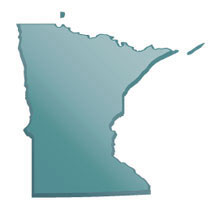
Minnesota has several CSWE-accredited MSW programs at universities across the state, from the Twin Cities to Duluth and Moorhead. A master’s degree is required for most advanced levels of social work licensure in the state, making the MSW a practical necessity for clinical work. Social workers in Minnesota earn a median salary of approximately $65,010 per year.
 Minnesota’s social work licensure structure makes the decision for most people. If you’re planning to practice clinically, work in a school, or move into administrative leadership, the state’s licensing board requires a master’s degree for most advanced license levels. That requirement isn’t unique to Minnesota, but it shapes the conversation differently here: the question isn’t whether you need an MSW, it’s which program fits your goals and your life.
Minnesota has a solid set of options. Several programs hold Council on Social Work Education (CSWE) accreditation, ranging from large public research universities to smaller private colleges. Several offer hybrid or online delivery, Advanced Standing tracks for BSW holders, and concentrations that align with specific career paths.


What You Can Do with an MSW in Minnesota
The MSW opens access to roles that a bachelor’s degree alone can’t reach. That’s especially true in Minnesota, where the licensure requirements push clinical and supervisory positions to the master’s level. Some of the most common career paths for MSW graduates in the state include:
- Licensed Clinical Social Worker in a healthcare, mental health, or private practice setting
- School Social Worker, licensed by the Minnesota Department of Education
- Child Welfare Case Manager or Permanency Worker with the Minnesota Department of Human Services
- Mental Health Therapist in a community-based or nonprofit agency
- Social Work Supervisor or Program Director
- Social and Community Service Manager
The degree also keeps your options open. An MSW from a CSWE-accredited program meets licensure requirements in Minnesota and most other states, so you’re not locked into one geography.
MSW Specializations and Concentrations in Minnesota
What you specialize in during your MSW shapes where you can work and what you can do after you graduate. Minnesota programs offer concentrations across several areas.
Clinical Mental Health. Programs at the University of Minnesota, the University of St. Thomas, and St. Catherine University prepare students for licensure-eligible clinical practice, including diagnosing and treating mental health conditions. If private practice or the LICSW is your eventual goal, a clinical concentration is the right starting point.
Health, Disability, and Aging. The University of Minnesota’s program includes a concentration in this area for students interested in medical social work, geriatrics, or disability services.
Child Welfare and Family Services. Minnesota State Mankato, Minnesota State Moorhead, and several other programs offer coursework and practicum placements focused on child welfare, family systems, and court-involved cases. Child, family, and school social workers make up one of the larger occupational groups in the state’s social work workforce.
Multicultural Clinical Practice. Minnesota State Moorhead offers a concentration in this area that’s not widely available elsewhere in the state’s university system. It’s designed for students planning to work with diverse populations across the region.
American Indian Social Services. The University of Minnesota Duluth is one of the few MSW programs in the country with dedicated coursework and practicum placements in this area, with direct ties to American Indian communities across Minnesota and northern Wisconsin.
Community Practice and Social Policy. For students drawn to administration, community organizing, or policy work rather than clinical roles, the University of Minnesota offers a concentration in this area. Social and community service managers, a common path for experienced MSWs, earn a median of approximately $91,950 in Minnesota.
Advanced Standing Programs in Minnesota
If you already hold a CSWE-accredited BSW, you don’t have to complete the full two-year MSW. Advanced Standing programs let you skip the foundation year and finish in as little as 12 months of full-time study.
Several Minnesota schools offer this track, including the University of Minnesota, UMD, Minnesota State Mankato, Minnesota State Moorhead, Augsburg, and St. Catherine University. Requirements typically include a BSW from an accredited program completed within the last five to seven years, along with a minimum GPA. That time window matters. If you’re considering going straight from your BSW into the workforce before returning for your master’s, check the Advanced Standing eligibility window for programs you’re interested in before you decide.
Online and Hybrid MSW Programs in Minnesota
Many MSW programs in Minnesota offer hybrid or online-friendly options. That shift has been significant for students outside the Twin Cities metro who don’t want to relocate or leave their current jobs.
Minnesota State Moorhead runs a hybrid program with late afternoon and evening classes, designed specifically for working adults. Augsburg University follows a similar hybrid model with a mix of on-campus and online weeks. The University of Minnesota’s Twin Cities campus is launching its first fully online MSW cohort in Fall 2026, aimed at students pursuing the full program who don’t hold a BSW.
Any CSWE-accredited program meets Minnesota’s licensure requirements, regardless of delivery format. The accreditation is what the Board looks for, not whether you sat in a classroom. If you’re also comparing programs nationally, our guide to online MSW programs covers fully accredited options across the country.
Minnesota Social Work Licensure Pathway
The Minnesota Board of Social Work issues four levels of licensure. The MSW is the required entry point for most advanced license levels. Here’s how the pathway works:
LSW (Licensed Social Worker): Requires a BSW or MSW and passage of the relevant Association of Social Work Boards (ASWB) exam.
LGSW (Licensed Graduate Social Worker): Requires an MSW and passage of the ASWB Master’s exam. This is the first license most new MSW graduates apply for while accumulating post-degree supervised hours.
LCSW (Licensed Clinical Social Worker): Requires the LGSW, completion of supervised clinical hours, and passage of the ASWB Clinical exam.
LICSW (Licensed Independent Clinical Social Worker): The highest level in Minnesota, allowing independent practice, including private practice. Requires the LGSW, additional clinical coursework, and 4,000 hours of supervised post-MSW experience.
If the LICSW is your goal, your program choice matters from day one. You’ll want a CSWE-accredited program with a clinical track that covers the Board’s required clinical coursework. Check with any program you’re considering to confirm how its curriculum maps to the Minnesota Board of Social Work LICSW requirements.
Salary and Job Outlook for MSW Graduates in Minnesota
Social workers in Minnesota earn a median annual salary of approximately $65,010, according to the BLS May 2024 data. Starting salaries typically fall around $45,480, while the top 10% of earners reach $97,500 or more. Earnings increase with licensure level, specialization, and years of experience. Social and community service managers, a common trajectory for experienced MSWs, earn a median of approximately $91,950 in the state.
Job growth across social work roles in Minnesota is projected to be steady through 2032, with consistent annual openings across all major categories, according to BLS projections. Demand is strongest in clinical mental health, child welfare, and healthcare settings.
MSW Programs in Minnesota
The following schools may offer CSWE-accredited MSW programs in Minnesota. Program offerings and accreditation status can change. Contact each school directly to confirm current MSW availability and accreditation before applying. For a cost comparison across programs nationally, see our guide to affordable CSWE-accredited MSW programs.
| School | Location | Website |
|---|---|---|
| Augsburg University | Minneapolis, MN | augsburg.edu |
| Bethel University | Saint Paul, MN | bethel.edu |
| College of St. Catherine (St. Kate’s) | Saint Paul, MN | stkate.edu |
| Metropolitan State University | Saint Paul, MN | metrostate.edu |
| Minnesota State University-Mankato | Mankato, MN | mnsu.edu |
| Minnesota State University-Moorhead | Moorhead, MN | mnstate.edu |
| Saint Cloud State University | Saint Cloud, MN | stcloudstate.edu |
| The College of Saint Scholastica | Duluth, MN | css.edu |
| University of Minnesota-Duluth | Duluth, MN | d.umn.edu |
| University of Minnesota-Twin Cities | Minneapolis, MN | ssw.umn.edu |
| University of St. Thomas | Saint Paul, MN | stthomas.edu |
Frequently Asked Questions
Does Minnesota require an MSW for social work licensure?
Minnesota requires a master’s degree for most advanced social work license levels. The LSW can be obtained with a BSW, but the LGSW, LCSW, and LICSW all require an MSW from a CSWE-accredited program.
How long does an MSW program take in Minnesota?
Most full MSW programs take two years of full-time study. Advanced Standing programs, available to students with CSWE-accredited BSW degrees, can be completed in as little as 12 months. Part-time options typically extend the timeline to three or four years.
What’s the difference between the LCSW and LICSW in Minnesota?
The LICSW (Licensed Independent Clinical Social Worker) is Minnesota’s highest licensure level and allows independent practice, including private practice. Both the LCSW and LICSW require an MSW and supervised post-degree hours. The LICSW additionally requires completion of specific clinical coursework and 4,000 hours of supervised post-MSW experience before independent practice is granted.
Are online MSW programs accepted for licensure in Minnesota?
Yes. The Minnesota Board of Social Work requires CSWE accreditation, not a specific delivery format. An online MSW from a CSWE-accredited program meets the same licensure requirements as an in-person one.
What do social workers earn in Minnesota?
Social workers in Minnesota earn a median annual salary of approximately $65,010, according to the BLS May 2024 data. Earnings vary by role and licensure level. Social and community service managers, a common path for experienced MSWs, earn a median of approximately $91,950 in Minnesota.
Key Takeaways
- A master’s degree is required for most advanced licensure levels in Minnesota. The LGSW, LCSW, and LICSW all require a CSWE-accredited MSW.
- Several CSWE-accredited MSW programs operate across Minnesota, with concentrations in clinical mental health, child welfare, healthcare, American Indian social services, and community practice.
- Advanced Standing tracks exist at several schools. BSW holders may be eligible to complete the MSW in as little as 12 months full-time.
- Many programs offer online and hybrid options, and any CSWE-accredited program, regardless of format, satisfies Minnesota’s licensure requirements.
- Social workers in Minnesota earn a median of approximately $65,010, with steady job growth projected across all social work categories through 2032.
Ready to explore MSW programs in Minnesota? Review licensing requirements and find CSWE-accredited programs that match your career goals.
2024 US Bureau of Labor Statistics salary and employment figures for Social Workers, Social and Human Services Assistants, Social and Community Service Managers, and Substance Abuse, Behavioral Disorder, and Mental Health Counselors, reflect state and national data, not school-specific information. Conditions in your area may vary. Data accessed April 2026.