Human Services Careers in Michigan
Michigan’s human services field spans dozens of careers, from licensed social workers and mental health counselors to community outreach coordinators and case managers. Entry-level roles typically require a bachelor’s degree in social work, psychology, or a related field. Licensed clinical positions require a master’s degree plus supervised practice hours. According to the Bureau of Labor Statistics, social workers in Michigan earn salaries in the high-$50,000s depending on specialization, and job growth across the field is outpacing many other sectors.
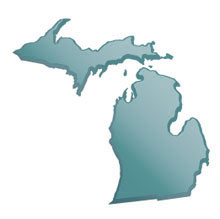
Michigan employs tens of thousands of people in human services roles (based on BLS occupational employment data), spread across hospitals, schools, state agencies, nonprofits, and corrections. The work ranges from direct client support at the bachelor’s level to clinical therapy and program leadership at the master’s and doctoral levels. If you’re trying to figure out which path fits your goals, the first decision is usually about degree level, because that determines which doors open and which stay closed.


What Human Services Careers Look Like in Michigan
The field isn’t one thing. A child welfare case manager in Grand Rapids handles different work each day than a substance abuse counselor in Detroit or a healthcare social worker at Spectrum Health. What these roles share is a foundation in human behavior, systems navigation, and working directly with people who are often in crisis.
Michigan’s size and diversity create real demand for these workers. The state has a significant corrections population, a sizable aging population requiring gerontology services, and ongoing demand in child welfare, mental health, and substance abuse treatment. That variety means there are pathways into this field for people with different interests and different tolerances for clinical versus community-facing work.
Career Paths by Education Level
Your degree level is the clearest predictor of which roles you’re eligible for in Michigan. Here’s how it breaks down:
| Degree Level | Example Careers | Typical Employers |
|---|---|---|
| Bachelor’s (BSW, BA/BS in Sociology or Psychology) | Licensed Bachelor Social Worker (LBSW), case management aide, community outreach worker, behavioral management aide, probation officer, rehabilitation case worker | State agencies (Michigan Department of Health and Human Services), hospitals, schools, nonprofits, Michigan Department of Corrections |
| Master’s (MSW, MA in Counseling or MFT) | Licensed Master Social Worker (LMSW), Licensed Professional Counselor (LPC), Marriage and Family Therapist (MFT), clinical social worker, child welfare case manager, program manager | Mental health clinics, hospitals, private practice, and community mental health centers |
| Doctoral (PhD, DSW) | Clinical director, research scientist, university faculty, independent clinical practice | Universities, research institutions, large hospital systems, and private practice |
One distinction worth understanding early: a CSWE-accredited Bachelor of Social Work (BSW), along with state licensing requirements, is needed for the Licensed Bachelor Social Worker (LBSW) credential in Michigan. A general sociology or psychology degree doesn’t qualify. If social work licensure is your goal, make sure the program you choose carries Council on Social Work Education (CSWE) accreditation before you enroll.
Salaries and Job Outlook in Michigan
Michigan’s human services salaries vary considerably by role and credential level. According to Bureau of Labor Statistics data (May 2024), here’s where different occupations land.
Social workers in Michigan earn salaries in the high-$50,000s depending on specialization. Child, family, and school social workers earn a median of $59,030, while healthcare social workers and mental health specialists earn a similar median. Community and social service managers, who typically hold master’s degrees and oversee programs or departments, earn a median of $82,250.
At the entry level, social and human services assistants in Michigan earn a median of $38,530. That’s the realistic starting point for bachelor’s-level workers in support roles, before licensure or advancement into higher-credential positions.
National projections from the BLS (2022-2032) show strong demand across the field. Social and human services assistants are among the fastest-growing occupations, with hundreds to over 1,000 annual openings projected across many states. Healthcare social workers and community service managers are also projected to grow well above average. Michigan’s demand mirrors national trends, driven by an aging population, expanded mental health services, and ongoing investment in child welfare and corrections programming.
Licensing in Michigan
Most clinical positions in Michigan require licensure beyond the degree itself. Social work has a tiered structure: the LBSW for bachelor’s-level practitioners, the LMSW for master’s-level workers, and the LMSW (clinical designation) for those pursuing independent clinical practice. Each tier has specific supervised-hours requirements administered by the Michigan Department of Licensing and Regulatory Affairs (LARA).
For counseling, Michigan issues the Licensed Professional Counselor (LPC) credential. That requires a master’s degree, a supervised postgraduate internship, and passing a national exam. Michigan also has a Limited Licensed Professional Counselor (LLPC) designation for those still accumulating their supervised hours before full licensure.
Substance abuse counseling operates under a separate credentialing framework in Michigan, governed by the Michigan Certification Board for Addiction Professionals (MCBAP). The primary credentials include the Certified Associate Alcohol and Drug Counselor (CAADC) and the Certified Alcohol and Drug Counselor (CADC), among others, with multiple tiers based on education and experience.
Each of these paths has its own requirements, timelines, and continuing education obligations. The pages below cover each in detail.
Frequently Asked Questions
What degree do you need to work in human services in Michigan?
Most entry-level human services jobs in Michigan require at least a bachelor’s degree in social work, psychology, or sociology. For clinical roles, including licensed counseling or clinical social work, a master’s degree is required. Some positions, like social and human services assistant roles, may be accessible with an associate degree plus relevant experience.
Can you become a licensed social worker in Michigan with a bachelor’s degree?
Yes. Michigan offers the Licensed Bachelor Social Worker (LBSW) credential for graduates of CSWE-accredited BSW programs who meet state licensing requirements, including the required field experience. This credential qualifies you for a range of non-clinical roles in state agencies, nonprofits, and healthcare settings. Clinical practice and independent diagnosis require the LMSW or LMSW (clinical designation).
How long does it take to become a licensed counselor in Michigan?
Becoming a Licensed Professional Counselor (LPC) in Michigan typically takes six to eight years, depending on program length and supervision timeline: four years for a bachelor’s degree, two to three years for a master’s in counseling or a related field, and then a supervised postgraduate internship period before you’re eligible to sit for the licensing exam.
What is the job outlook for human services workers in Michigan?
Strong across most occupations. National BLS projections for 2022-2032 show social and human services assistants, healthcare social workers, and community service managers all growing well above average. Michigan’s demand mirrors these national trends, driven by an aging population, ongoing mental health needs, and continued public investment in child welfare and corrections programming.
What’s the difference between a social worker and a human services worker in Michigan?
Social work is a licensed profession in Michigan with specific degree and credentialing requirements. Human services is a broader category that includes many roles, some licensed and some not, spanning case management, community outreach, substance abuse support, and more. Licensed social workers have completed CSWE-accredited programs and passed licensing exams. Human services workers may hold a range of degrees and certifications depending on the specific role.
Key Takeaways
- Degree level determines your options – Bachelor’s degrees open entry-level and non-clinical roles. Master’s degrees are required for licensure as a clinical social worker, LPC, or MFT in Michigan.
- CSWE accreditation matters for social work – Only graduates of CSWE-accredited programs who meet state licensing requirements are eligible for LBSW or LMSW licensure in Michigan.
- Salaries range significantly by role – From $38,530 median for human services assistants to $82,250 for community service managers, per BLS May 2024 data.
- National job growth is strong – BLS projects above-average growth for social and human services assistants, healthcare social workers, and community service managers through 2032.
- Licensing is credential-specific – Social work, professional counseling, and substance abuse counseling each operate under separate licensure frameworks in Michigan.
Ready to take the next step? Browse Michigan-specific licensing guides and explore accredited programs that match your career goals.
2024 US Bureau of Labor Statistics salary and employment figures for Social Workers, Social and Human Services Assistants, Social and Community Service Managers, and Substance Abuse, Behavioral Disorder, and Mental Health Counselors, reflect state and national data, not school-specific information. Conditions in your area may vary. Data accessed April 2026.