Substance Abuse Counseling Certification in Michigan
Michigan certifies substance abuse counselors through MCBAP, the Michigan Certification Board for Addiction Professionals. The entry-level credential is the Certified Alcohol and Drug Counselor (CADC), which requires a high school diploma plus 300 hours of education and between 2,000 and 6,000 hours of supervised experience, depending on your education level. A master’s degree unlocks the advanced CAADC credential and significantly reduces the experience requirement.
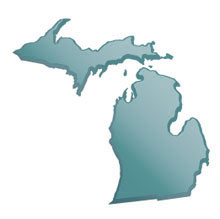
Michigan has experienced increased demand for substance use disorder professionals in recent years. If you’re considering this career, the path in Michigan runs through one credentialing body: the Michigan Certification Board for Addiction Professionals, known as MCBAP. Understanding what MCBAP offers and what each certification level actually requires is the first step to planning your career.


Who Issues Certification in Michigan
MCBAP is a nonprofit organization recognized by the state as the primary credentialing body for addiction counselors. It’s a member of the International Certification and Reciprocity Consortium (IC&RC), which means Michigan credentials carry weight beyond state lines. If you earn a CADC or CAADC in Michigan and later move to another IC&RC member state, you may be eligible for reciprocity through IC&RC, depending on the receiving state’s requirements.
MCBAP offers several credential levels. See the MCBAP certifications page for current applications and documentation requirements. The two most commonly pursued credentials are the Certified Alcohol and Drug Counselor (CADC) and the Certified Advanced Alcohol and Drug Counselor (CAADC). A third credential, the Certified Clinical Supervisor (CCS), is available to experienced counselors moving into supervisory roles.
CADC Requirements
The CADC is Michigan’s entry-level certification. You don’t need a college degree to pursue it, though having one significantly reduces the experience hours you’ll need to log. Here’s what the CADC requires:
- High school diploma or GED
- 300 hours of education, including 180 hours specific to substance use disorder counseling and 6 hours of face-to-face ethics coursework in the IC&RC Performance Domains
- Between 2,000 and 6,000 hours of supervised experience, depending on your education level:
- High school diploma only: 6,000 hours
- Associate degree: 5,000 hours
- Bachelor’s degree: 4,000 hours
- Master’s degree: 2,000 hours
- 300 hours of clinical supervision, with a minimum of 10 hours in each IC&RC Performance Domain
- Signed Counselor Code of Ethical Standards
- Passing score on the IC&RC Alcohol and Drug Counselor (ADC) written exam
The degree-based hour reductions matter. For someone coming in with a bachelor’s in social work or counseling, the experience requirement drops from 6,000 to 4,000 hours, roughly one year less of supervised work before you can sit for the exam. It’s worth factoring that into your education planning from the start.
CAADC Requirements
The Certified Advanced Alcohol and Drug Counselor (CAADC) is the master’s-level credential. It opens doors that the CADC doesn’t, including advanced clinical roles in some settings (independent licensure may require additional credentials, such as Michigan counseling licensure requirements) and eligibility to eventually pursue the CCS. Requirements include:
- Master’s degree in counseling, psychology, social work, addiction studies, marriage and family therapy, or a closely related behavioral science field with clinical application
- 180 hours of education specific to substance use disorder counseling, plus 6 hours of ethics
- 2,000 hours of post-master’s supervised experience in addiction counseling
- 100 hours of post-master’s clinical supervision in the IC&RC Performance Domains, with at least 10 hours in each domain
- Signed Counselor Code of Ethical Standards
- Passing score on the IC&RC Advanced Alcohol and Drug Counselor (AADC) written exam
If you’re planning to pursue the CAADC, build your master’s program selection around the 180 SUD-specific education hours. Programs in counseling, social work, and addiction studies at Michigan universities often satisfy these requirements. Explore MSW programs in Michigan if you’re still evaluating graduate options. It’s worth confirming with MCBAP before you enroll.
CCS: The Clinical Supervisor Credential
The Certified Clinical Supervisor (CCS) is designed for experienced counselors who want to take on supervisory and training roles in addiction treatment settings. To be eligible, you must already hold an active CADC or CAADC from MCBAP. Michigan-only credentials (those with an -M designation) don’t qualify. The CCS also requires a master’s degree in an approved discipline and substantial clinical and supervisory experience as defined by MCBAP. It’s a long-term credential to work toward, not a starting point.
The IC&RC Exam
Both the CADC and CAADC require passing an IC&RC exam. The ADC exam covers client assessment, counseling techniques, case management, ethics, and treatment planning. The AADC exam for the CAADC covers advanced clinical practice, co-occurring disorders, and supervisory competencies. The exam is computer-based, so results are available immediately after testing.
Exam fees, scheduling timelines, and policies vary. Check current details with IC&RC or MCBAP before registering. Study materials and exam prep resources are available through the IC&RC website and through MCBAP directly.
Renewal and Continuing Education
CADC and CAADC certifications must be renewed every two years, or counselors can opt for a three-year renewal cycle. Both cycles require 40 hours of continuing education, with at least 50% of those hours in substance abuse-specific content. MCBAP and local universities offer approved continuing education through workshops, webinars, and coursework.
Michigan Substance Abuse Counselor Salary
According to the Bureau of Labor Statistics, substance abuse, behavioral disorder, and mental health counselors in Michigan earned a median annual salary of $61,960 as of May 2024. The lower end of the range, around the 25th percentile, was $42,480, while experienced counselors at the 75th percentile earned $74,360. The top 10% in the state earned $89,170. The national median for this occupation is $65,100, putting Michigan slightly below the national median.
Frequently Asked Questions
Do I need a degree to become a substance abuse counselor in Michigan?
No. The CADC requires only a high school diploma or GED. That said, having a degree significantly reduces the supervised experience hours you’ll need to log, from 6,000 hours without a degree down to 4,000 with a bachelor’s or 2,000 with a master’s. If you’re planning your education path, earning a degree first will shorten your overall timeline to certification.
What is MCBAP, and why does it matter?
MCBAP stands for the Michigan Certification Board for Addiction Professionals. It’s the nonprofit body recognized by the state to credential addiction counselors. Because MCBAP is a member of the IC&RC, Michigan credentials may be recognized in other states through reciprocity, a practical consideration if you ever plan to move or practice across state lines.
What’s the difference between CADC and CAADC?
The CADC is Michigan’s entry-level certification, available at any education level from a high school diploma up. The CAADC requires a master’s degree in a counseling-related field and positions counselors for more advanced clinical roles, including eventual eligibility for the Certified Clinical Supervisor (CCS) credential. If you’re drawn to leadership in treatment settings or more advanced clinical work, the CAADC is the credential to plan toward.
How long does it take to become certified?
Without a degree, the 6,000 experience hours alone represent roughly three years of full-time work in addiction counseling, plus the time to complete your 300 education hours. With a bachelor’s degree, you’re looking at closer to two years of experience. With a master’s degree and the CAADC path, 2,000 hours is approximately one year of full-time work post-graduation.
Is the Michigan CADC recognized in other states?
Potentially, yes. Because MCBAP is an IC&RC member, counselors who hold a CADC or CAADC may be eligible for reciprocity in other IC&RC member states. The specific requirements vary by receiving state, so check with the credentialing board in your destination state before relocating.
Key Takeaways
- MCBAP is the credentialing authority. Michigan addiction counselors are certified through the Michigan Certification Board for Addiction Professionals, an IC&RC member organization.
- CADC is the entry-level credential. It requires a high school diploma, 300 hours of education, and between 2,000 and 6,000 experience hours, depending on your degree level.
- CAADC requires a master’s degree. The advanced credential reduces experience hours to 2,000 and opens doors to higher-level clinical and supervisory roles.
- Degree level changes your timeline. A bachelor’s degree cuts the CADC experience requirement by a third. A master’s cuts it by two-thirds. Education planning matters from the start.
- Michigan median salary is $61,960. Per the BLS May 2024 data, the top earners reaching $89,170 annually.
Ready to explore substance abuse counseling programs in Michigan? Use our career guide to learn more about the field and find programs that meet MCBAP education requirements.
2024 US Bureau of Labor Statistics salary and employment figures for Social Workers, Social and Human Services Assistants, Social and Community Service Managers, and Substance Abuse, Behavioral Disorder, and Mental Health Counselors, reflect state and national data, not school-specific information. Conditions in your area may vary. Data accessed April 2026.