Human Services Education in Georgia
A human services degree in Georgia prepares you for careers in social work, counseling, case management, and community services. Entry-level roles are open to bachelor’s degree holders, while clinical and management positions typically require a master’s. Georgia’s job market is strong, with social worker roles projected to grow roughly 12–18% through 2032.
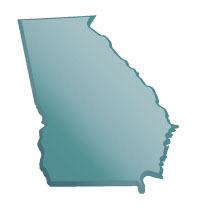
Georgia has one of the largest and most active human services workforces in the South. The state’s Division of Family and Children Services (DFCS) employs a large number of case managers and social workers across all 159 counties. Atlanta anchors a dense network of nonprofits, hospital systems, and behavioral health agencies. And the state’s universities, including Georgia State, the University of Georgia, and Kennesaw State, graduate students in social work, counseling, and psychology each year.
If you’re figuring out what degree to pursue and what careers open up from there, this guide walks through Georgia’s human services landscape from bachelor’s level through graduate work, with salary data from the Bureau of Labor Statistics and job growth projections from the state’s labor office.


What You Can Do With a Human Services Degree in Georgia
Your options shift considerably depending on your degree level. A bachelor’s degree gets you into direct service roles: case management, community outreach, probation work, and behavioral health support. A master’s opens the door to licensure, clinical practice, and leadership positions. Here’s how those tiers break down in practice.
| Degree Level | Example Roles in Georgia | Common Employers |
|---|---|---|
| Bachelor’s (BSW, BA/BS in Human Services, Sociology, or Psychology) | Case Management Aide, Community Outreach Worker, Behavioral Management Aide, Juvenile Court Liaison, Probation Officer, Rehabilitation Caseworker | Georgia DFCS, Department of Corrections, county nonprofits, and school systems |
| Master’s (MSW, MA/MS in Counseling, MFT, MBA with human services focus) | Licensed Master Social Worker (LMSW), Licensed Clinical Social Worker (LCSW), Marriage and Family Therapist, Child Welfare Case Manager, Social and Community Service Manager | Hospital systems (Emory, Grady), behavioral health agencies, private practice, Georgia DHS |
| Doctorate (PhD, DSW, PsyD) | Clinical Researcher, University Faculty, Program Director, Licensed Psychologist | University System of Georgia, research hospitals, state agencies |
Bachelor’s-Level Careers in Georgia
A bachelor’s in social work (BSW), psychology, sociology, or a related human services field qualifies you for a range of direct service roles in Georgia. Many of these positions do not require licensure, which means you can enter the workforce quickly after graduation.
Case management is one of the most common entry points. Georgia DFCS hires case managers to work with families involved in child protective services, coordinating services, monitoring safety plans, and connecting families to resources. The work is demanding, and caseloads are heavy, but it’s also where many social workers get their foundational experience. Juvenile court liaisons and probation officers work within the Department of Juvenile Justice or county court systems, supervising youth on probation and connecting them with education and treatment programs. Rehabilitation caseworkers assist people with disabilities in accessing vocational training, job placement, and community support. Community outreach workers and behavioral management aides round out the bachelor’s-level landscape, working in nonprofits, schools, and residential programs across the state.
If you want to specialize in substance use or behavioral health at the bachelor’s level, Georgia has a certification pathway for substance abuse counselors through the Georgia Addiction Counselors Association (GACA). That certification provides additional credentialing in substance use counseling without requiring a graduate degree.
Master’s-Level Careers in Georgia
A master’s degree opens clinical and leadership tracks that a bachelor’s degree won’t. In Georgia, the key credential for clinical social workers is the Licensed Clinical Social Worker (LCSW), issued by the Georgia Composite Board of Professional Counselors, Social Workers, and Marriage and Family Therapists. To earn it, you need an MSW from a Council on Social Work Education (CSWE)-accredited program, plus supervised post-graduate experience. The Licensed Master Social Worker (LMSW) is the entry-level license for MSW graduates who haven’t yet completed their supervised hours.
Marriage and Family Therapists (MFTs) and Licensed Professional Counselors (LPCs) follow separate licensure tracks but draw from similar graduate programs, typically a master’s in counseling, marriage and family therapy, or a related clinical field. Georgia’s LPC track requires graduate coursework, supervised experience, and passing a licensing exam as defined by the state. For more on Georgia’s counseling licensure process, see our Georgia LPC guide.
Social and Community Service Managers sit at the intersection of human services and organizational leadership. These roles, running programs, overseeing staff, and managing budgets, typically go to candidates with a master’s plus several years of direct service experience. According to the Bureau of Labor Statistics, Georgia has around 4,600 people employed in this role, with a median annual salary of $83,520.
Salaries for Human Services Workers in Georgia
Salaries vary widely by role and credential level. The figures below come from the BLS May 2024 data for Georgia.
| Occupation | Median Annual Salary (GA) | Bottom 25% | Top 25% |
|---|---|---|---|
| Social Workers | $56,970 | $42,390 | $61,580 |
| Substance Abuse, Behavioral Disorder, and Mental Health Counselors | $61,250 | $46,150 | $71,980 |
| Social and Community Service Managers | $83,520 | $56,250 | $99,460 |
| Social and Human Services Assistants | $38,230 | $31,020 | $43,320 |
Job Growth Outlook in Georgia
Georgia’s human services sector is expanding across most occupational categories. The state’s growing population, particularly in Metro Atlanta and its surrounding counties, is driving demand for behavioral health services, child welfare workers, and healthcare social workers. According to state labor projections for the 2022–2032 period:
- Social and Human Services Assistants are projected to grow about 18%, adding around 1,200 openings per year
- Healthcare Social Workers are projected to grow about 15%, with about 580 annual openings
- Mental Health and Substance Abuse Social Workers are projected to grow about 17%, adding roughly 130 openings per year
- Child, Family, and School Social Workers are projected to grow about 12%, with approximately 520 annual openings
- Social and Community Service Managers are projected to grow about 10%, with about 350 openings per year
Healthcare, social work, and behavioral health are among the fastest-growing tracks. If you’re deciding between specializations at the graduate level, those fields have strong employment prospects in the coming years.
Choosing the Right Path
The right degree depends on what you want to do day to day. If you’re drawn to one-on-one clinical work, therapy, diagnosis, or private practice, you need a master’s and a clinical license. If you want to work in child welfare, community outreach, or case coordination, a bachelor’s degree gets you started, and a master’s can accelerate your advancement. If you want to run programs or lead an agency, plan for a master’s plus experience, potentially a doctorate if you’re aiming for research or academic roles.
For state-specific licensing details, our Georgia social work licensure guide covers the LMSW and LCSW tracks in full. If you’re considering a master’s program, our Georgia MSW programs page lists CSWE-accredited options in the state.
Frequently Asked Questions
What degree do I need to work in human services in Georgia?
Most entry-level roles, including case management, community outreach, and behavioral support, require a bachelor’s degree in social work, psychology, sociology, or a related field. Clinical roles like LCSW or LPC require a master’s degree plus supervised experience and licensure through the Georgia Composite Board.
How do I become a licensed social worker in Georgia?
You need an MSW from a CSWE-accredited program to pursue licensure in Georgia. The LMSW is the entry-level license. The LCSW requires additional supervised post-graduate hours in a clinical setting. The Georgia Composite Board of Professional Counselors, Social Workers, and Marriage and Family Therapists oversees both credentials.
What do human services workers earn in Georgia?
Salaries vary by role and credential. According to the BLS May 2024 data, social workers in Georgia earn a median of $56,970 annually, while social and community service managers earn a median of $83,520. Substance abuse and mental health counselors fall in the middle at $61,250.
Is there demand for human services workers in Georgia?
Yes. Georgia’s labor projections show strong growth across the sector through 2032. Healthcare social work (about 15% growth) and mental health and substance abuse social work (about 17% growth) are among the fastest-growing specializations, driven largely by demand in Metro Atlanta and statewide behavioral health services expansion.
Do I need a graduate degree to work with the Georgia DFCS?
Not necessarily. The Georgia Division of Family and Children Services hires case managers and social services staff at the bachelor’s level. That said, advancement into supervisory or specialized clinical roles within DFCS typically requires a master’s degree and relevant licensure.
Key Takeaways
- Bachelor’s degrees open direct service roles. Case management, probation, outreach, and behavioral support positions in Georgia are accessible with a BSW or related bachelor’s degree.
- Clinical licensure requires a master’s. The LCSW and LPC credentials both require graduate education and supervised hours. Bachelor’s-level workers cannot practice independently in clinical settings.
- Georgia’s job market is growing. BLS projections show roughly 10–18% growth across most human services occupations through 2032, with healthcare and behavioral health leading demand.
- Salary scales with credential level. Human services assistants earn a median of $38,230 in Georgia. Community service managers with graduate credentials earn a median of $83,520.
- DFCS is a major employer. The Georgia Division of Family and Children Services hires across all 159 counties, making it one of the largest entry points for bachelor’s-level graduates in the state.
Ready to explore programs? Browse degree options and state licensing requirements to find the path that fits your goals.
2024 US Bureau of Labor Statistics salary and employment figures for Social Workers, Social and Human Services Assistants, Social and Community Service Managers, and Substance Abuse, Behavioral Disorder, and Mental Health Counselors, reflect state and national data, not school-specific information. Conditions in your area may vary. Data accessed April 2026.