Human Services Degree Programs and Careers in South Carolina
A human services degree in South Carolina opens doors to careers in social work, counseling, case management, community outreach, and more. Roles are available from entry-level through doctoral-level positions. According to the Bureau of Labor Statistics, social and human services assistants in SC earn a median salary of $37,430, while social and community service managers earn $72,990. Job growth across all major categories is projected well above the national average through 2032.
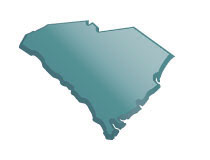
South Carolina’s human services workforce spans state agencies, nonprofit organizations, public schools, hospitals, and private practices. Whether you’re drawn to working with children in the foster care system, helping adults manage substance use disorders, or coordinating services for aging populations in Myrtle Beach or Greenville, demand is generally strong across many sectors. This page covers the career paths available at each degree level, the salary landscape across key roles, and the next steps for exploring licensure in South Carolina.


Human Services Careers by Education Level in South Carolina
The degree you earn shapes which positions you’re eligible for and which licenses you can pursue. Here’s a breakdown of common roles by education level, along with the typical degree backgrounds employers look for in South Carolina.
| Career | Degree Level | Common Degree Fields |
|---|---|---|
| Licensed Baccalaureate Social Worker (LBSW) | Bachelor’s | Social Work (CSWE-accredited BSW) |
| Substance Abuse Counselor | Bachelor’s | Sociology, Social Work, Psychology |
| Rehabilitation Case Worker | Bachelor’s | Social Work, Sociology, Psychology |
| Community Outreach Worker | Bachelor’s | Social Work, Sociology, Psychology |
| Probation Officer | Bachelor’s | Sociology, Social Work, Psychology, Criminal Justice |
| Child Life Specialist | Bachelor’s | Child Life, Child Development |
| Behavioral Management Aide | Bachelor’s | Social Work, Sociology, Psychology |
| Case Management Aide | Bachelor’s | Social Work, Sociology, Psychology |
| Licensed Master Social Worker (LMSW) | Master’s | Social Work (CSWE-accredited MSW) |
| Licensed Independent Social Worker – Clinical Practice (LISW-CP) | Master’s | Social Work (CSWE-accredited MSW) + supervised experience |
| Licensed Independent Social Worker – Advanced Practice (LISW-AP) | Master’s | Social Work (CSWE-accredited MSW) + supervised experience |
| Marriage and Family Therapist | Master’s | Counseling, Psychology, Marriage and Family Therapy |
| Social and Community Service Manager | Master’s | Social Work, Psychology, Sociology, MBA |
| School Social Worker | Master’s | Social Work (MSW) |
| Private Practice Clinician / Researcher / Academic | Doctorate | Social Work, Psychology, Counseling (DSW, PhD, PsyD) |
For social work-specific licenses in South Carolina, including the LBSW, LMSW, and LISW-CP, see our full guide to South Carolina social work licensure requirements.
Salaries for Human Services Workers in South Carolina
Pay varies significantly by role and degree level. Workers in direct service positions earn less than those in clinical or management roles, which typically require advanced credentials and supervised experience. According to the Bureau of Labor Statistics’ May 2024 Occupational Employment and Wage Statistics (OEWS), here’s what workers in key South Carolina human services occupations earn.
| Occupation | Median Annual Salary | Mean Annual Salary | SC Employment |
|---|---|---|---|
| Substance Abuse, Behavioral Disorder, and Mental Health Counselors | $50,720 | $55,450 | 4,680 |
| Social Workers (all) | $47,550 | $49,360 | 5,810 |
| Social and Human Services Assistants | $37,430 | $41,390 | 3,880 |
| Social and Community Service Managers | $72,990 | $82,650 | 1,500 |
The path from human services assistant to community service manager often takes a decade or more and requires additional licensure or a graduate degree along the way. If salary growth is a priority, planning your credential progression early makes a difference.
Job Growth Outlook for South Carolina
South Carolina’s human services sector is expanding. According to state-level BLS employment projections for 2022 to 2032, all major human services categories are growing, with healthcare, social work, and community service management leading the way.
| Occupation | Projected Growth (2022–2032) | Avg. Annual Openings (SC) |
|---|---|---|
| Healthcare Social Workers | +21.5% | 250 |
| Social and Community Service Managers | +20.9% | 210 |
| Social and Human Services Assistants | +17.2% | 660 |
| Mental Health and Substance Abuse Social Workers | +16.4% | 60 |
| Child, Family, and School Social Workers | +12.2% | 490 |
BLS data show that social and human services assistants account for among the highest annual openings in South Carolina, at 660 per year, making entry-level human services work one of the more accessible paths into the field. For workers who build credentials over time, the management track carries higher growth rates and significantly better pay.
What to Do With a Human Services Degree in South Carolina
A bachelor’s degree in human services or a related field typically qualifies you for direct service roles: case management aides, community outreach workers, rehabilitation specialists, and positions within the state’s Department of Social Services or Department of Corrections. These jobs build the field experience that advanced licenses require.
At the master’s level, the options shift toward clinical and supervisory work. The Licensed Independent Social Worker – Clinical Practice (LISW-CP) credential in South Carolina qualifies you to diagnose and treat mental health conditions independently, subject to state scope-of-practice regulations. An MSW without a clinical track may not meet requirements for independent clinical licensure. That distinction matters when you’re choosing a graduate program. For guidance on becoming licensed as a substance abuse counselor, visit our South Carolina substance abuse counselor page, which details the certification process.
Doctoral degrees in social work, psychology, or counseling open doors to private practice, academic positions, and research leadership. Workers at this level are often associated with higher earning potential and the most autonomy in structuring their careers.
Frequently Asked Questions
What can you do with a human services degree in South Carolina?
A bachelor’s in human services or a related field qualifies you for roles including case management aide, community outreach worker, rehabilitation case worker, probation officer, and behavioral management aide. With a master’s degree, you can pursue licensed clinical social work, marriage and family therapy, school social work, and program management. The specific license you’re eligible for depends on both your degree and your supervised work experience.
How much do human services workers earn in South Carolina?
Earnings vary widely by role. Social and human services assistants earn a median of $37,430 annually in South Carolina, while substance abuse and mental health counselors earn a median of $50,720. Social workers across all specialties earn a median of $47,550. At the top of the salary range, social and community service managers earn a median of $72,990, according to BLS May 2024 data.
Is a social work degree the same as a human services degree in South Carolina?
Not exactly. Social work is a licensed profession in South Carolina with specific credential tiers (LBSW, LMSW, LISW-CP, LISW-AP) tied to CSWE-accredited degrees and supervised experience hours. A human services degree is a broader credential that qualifies you for many of the same direct service roles but doesn’t lead directly to social work licensure. If licensure is your goal, a social work degree from a CSWE-accredited program is the required path.
What human services jobs are in demand in South Carolina?
State-level BLS projections show strong demand across the board through 2032. Healthcare social workers are projected to grow by 21.5%, with 250 openings annually. Social and community service managers are projected to grow by 20.9%. For entry-level positions, social and human services assistants account for some of the most openings, at 660 per year statewide.
Do I need a license to work in human services in South Carolina?
It depends on your role. Direct service positions, such as community outreach worker or case management aide, don’t require licensure beyond your degree. Clinical roles, including licensed social work and counseling, do require state licensure. Licensing typically involves a qualifying degree, supervised experience hours, and a passing score on a national exam. Social work licenses are issued through the South Carolina Board of Social Work Examiners, which operates under the state’s Department of Labor, Licensing, and Regulation (LLR).
Key Takeaways
- Degree level determines your options: Bachelor’s degrees open entry-level direct service roles. Master’s degrees unlock clinical licensure and supervision positions. Doctorates lead to private practice, research, and academic careers.
- Salary ranges are wide: Human services assistants earn a median of $37,430 in SC while community service managers earn $72,990, reflecting the role of credential progression in long-term earning potential.
- Job growth is strong: Healthcare social work (+21.5%) and community service management (+20.9%) are the fastest-growing categories in South Carolina through 2032, per BLS state projections.
- Licensure matters for clinical roles: If you want to diagnose and treat independently, you’ll need a CSWE-accredited MSW and the LISW-CP credential, not just a general human services degree.
- Know your licensing board: Social work licenses in South Carolina are issued by the SC Board of Social Work Examiners under LLR. Counseling licenses are handled separately through the SC Board of Examiners for Licensure of Professional Counselors.
Ready to explore your options in South Carolina? Browse our state licensing guides for social work, professional counseling, and substance abuse counseling.
requirements and career options in South Carolina, browse our state licensing guides for social work, professional counseling, and substance abuse counseling.
2024 US Bureau of Labor Statistics salary and employment figures for Social Workers, Social and Human Services Assistants, Social and Community Service Managers, and Substance Abuse, Behavioral Disorder, and Mental Health Counselors, reflect state and national data, not school-specific information. Conditions in your area may vary. Data accessed April 2026.