Human Services Degree Programs in New Jersey
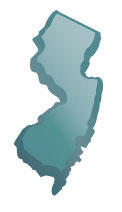
New Jersey is one of the most densely populated states in the country, and that density drives real demand for human services workers across every specialty. Whether you’re drawn to social work, counseling, or community program management, a human services degree in New Jersey can lead to stable, meaningful work. Bachelor’s-level graduates qualify for direct service roles, and master’s-level credentials open clinical and supervisory positions.
New Jersey isn’t short on need. The state’s urban corridors of Newark, Trenton, and Camden face persistent challenges around poverty, housing instability, and access to behavioral health services. Its suburban and rural communities deal with aging populations, opioid recovery, and youth mental health. Human services workers show up in all of these places, in roles that range from frontline case management to program leadership.
If you’re weighing a career in this field, the question isn’t whether New Jersey has jobs. It’s which path fits what you want to do.


What You Can Do With a Human Services Degree in New Jersey
Your degree level shapes which roles you’re eligible for and, often, how much autonomy you’ll have in them. A bachelor’s degree gets you into the field. A master’s degree shifts you into roles that require clinical judgment or supervisory responsibility.
Bachelor’s-Level Careers
With a bachelor’s degree in social work, sociology, psychology, or a related human services field, you can work in direct service roles across a range of settings. Common entry-level positions in New Jersey include caseworker, community outreach worker, behavioral health aide, juvenile court liaison, probation officer, and substance abuse counselor. The substance abuse counseling path has its own certification structure in New Jersey. The state uses a two-tier credential system worth understanding before you choose a program.
If you earn a Bachelor of Social Work (BSW) from a Council on Social Work Education (CSWE) accredited program, you’ll be eligible to pursue licensure as a Licensed Social Worker (LSW). New Jersey’s social work licensure requirements are detailed on our state guide page.
Master’s-Level Careers
A master’s degree opens clinical and leadership positions that aren’t accessible at the bachelor’s level. With a Master of Social Work (MSW) from a CSWE-accredited program, you can pursue licensure as a Licensed Social Worker (LSW) or, with supervised field experience, as a Licensed Clinical Social Worker (LCSW). The LCSW credential allows independent clinical practice within the scope defined by New Jersey licensing laws. That distinction matters when you’re choosing a graduate program.
Other master’s-level roles in New Jersey include marriage and family therapist, school social worker, child welfare case manager, and social and community service manager. These positions often require a master’s in counseling, psychology, social work, or business administration, depending on the specific role.
Doctoral-Level Careers
A doctorate positions you for academic roles, executive leadership in nonprofit organizations, or senior research and policy positions. It also signals expert-level standing in your specialty, which matters in a credentialing-heavy field. Clinical practice in New Jersey is governed by licensure (the LCSW, LPC, and related credentials), not by a doctoral degree. But for those drawn to teaching, research, or shaping organizational direction, a doctorate is worth considering as a long-term goal.
What Human Services Workers Earn in New Jersey
New Jersey pays above the national median for many human services occupations, reflecting the state’s higher cost of living and concentration of large healthcare systems, nonprofits, and government agencies. The figures below come from the U.S. Bureau of Labor Statistics, Occupational Employment Statistics (May 2024).
| Occupation | NJ Median Annual Wage | NJ Mean Annual Wage | NJ Employment |
|---|---|---|---|
| Substance Abuse, Behavioral Disorder & Mental Health Counselors | $64,710 | $75,900 | 14,640 |
| Child, Family, and School Social Workers | $78,150 | $79,610 | 6,410 |
| Social and Community Service Managers | $92,840 | $99,880 | 4,980 |
| Social and Human Services Assistants | $49,000 | $52,840 | 15,060 |
Social and community service managers, the supervisory and administrative tier, earn a median of $92,840 in New Jersey, according to the Bureau of Labor Statistics. That’s a meaningful ceiling for those who build toward leadership roles over time.
Job Growth Outlook for New Jersey
Most major human services categories in New Jersey are projected to grow between 2022 and 2032, according to the New Jersey Department of Labor and Workforce Development. Mental health and substance abuse social workers are projected to see the fastest growth at 14.1%, reflecting ongoing investment in behavioral health infrastructure statewide. Social and human services assistants are projected to add 1,880 positions over the decade, with an average of 2,540 job openings per year, the highest volume of any category in this field.
Social and community service managers are projected to grow 9.4%, adding 570 positions. Healthcare social workers are projected to grow 9.1%. These numbers point to a field that’s expanding, not contracting.
Choosing the Right Program in New Jersey
New Jersey has a range of accredited programs at both the undergraduate and graduate levels, including options at public research universities, private liberal arts colleges, and online-friendly institutions. The most important factor at the bachelor’s level is CSWE accreditation if you’re aiming for social work licensure. At the master’s level, CSWE accreditation is required for LCSW eligibility, so it’s not optional.
For counseling programs, look for those accredited by the Council for Accreditation of Counseling and Related Educational Programs (CACREP) or that meet equivalent standards recognized by the New Jersey State Board of Marriage and Family Therapy Examiners. New Jersey’s Licensed Professional Counselor (LPC) credential typically requires a CACREP-accredited master’s degree or its equivalent. You can find full requirements on our New Jersey counseling licensure page.
Frequently Asked Questions
What degree do I need to work in human services in New Jersey?
Most direct service roles require at least a bachelor’s degree in social work, psychology, sociology, or a related field. Clinical positions, including licensed clinical social work and licensed professional counseling, require a master’s degree from an accredited program, supervised hours, and a licensing exam. The specific degree requirement depends on the role and the credential it leads to.
Is New Jersey a good state for human services careers?
Yes. New Jersey pays above the national median in many human services occupations and has strong projected job growth through 2032. The state’s population density, urban health challenges, and well-funded nonprofit and government sectors create consistent demand for trained workers across specialties.
Does New Jersey require licensure for social workers and counselors?
Yes. Social workers and professional counselors in New Jersey must be licensed to practice independently and to use protected titles. Social work has multiple licensure tiers, from the LSW to the clinical LCSW. Counselors pursue the Licensed Associate Counselor (LAC) credential first, then the Licensed Professional Counselor (LPC). Requirements for each are outlined on our state-specific licensure pages.
What’s the difference between a human services degree and a social work degree?
A social work degree from a CSWE-accredited program is required for social work licensure in New Jersey. A general human services degree is broader and can prepare you for a range of direct service and community roles, but it doesn’t automatically qualify you for social work licensure. If licensure is your goal, verify that your program meets the specific credential requirements before enrolling.
How long does it take to complete a human services degree in New Jersey?
A bachelor’s degree typically takes four years full-time. A master’s degree adds two years, though some accelerated programs are shorter. If you have a BSW, some MSW programs offer an advanced standing option that reduces completion time. Doctoral programs vary but generally run three to five years beyond the master’s level.
Key Takeaways
- Degree level determines access – A bachelor’s opens direct service roles. A master’s is required for clinical licensure and supervisory positions in New Jersey.
- New Jersey pays well in many roles – Median wages for child, family, and school social workers ($78,150), counselors ($64,710), and service managers ($92,840) exceed many national figures, according to BLS May 2024 data.
- Growth is broad and consistent – Most major human services categories in NJ are projected to grow through 2032, with behavioral health roles growing fastest at 14.1%.
- Accreditation matters – CSWE accreditation is required for social work licensure. CACREP accreditation or its equivalent is required for the counseling licensure path. Verify before you enroll.
- Licensure is credential-specific – New Jersey’s social work and counseling licenses have distinct pathways, each with its own education, hours, and exam requirements.
Ready to explore your options? Find accredited programs in New Jersey and review full licensing requirements for social work and counseling credentials.
2024 US Bureau of Labor Statistics salary and employment figures for Social Workers, Social and Human Services Assistants, Social and Community Service Managers, and Substance Abuse, Behavioral Disorder, and Mental Health Counselors, reflect state and national data, not school-specific information. Conditions in your area may vary. Data accessed April 2026.