Hawaii Substance Abuse Counselor Certification: CSAC Requirements
Hawaii certifies substance abuse counselors through the state’s Alcohol and Drug Abuse Division (ADAD). The credential is the Certified Substance Abuse Counselor (CSAC). Requirements include 300 hours of approved education, a supervised work experience requirement that varies by degree level (2,000 to 6,000 hours), and passing the IC&RC exam.
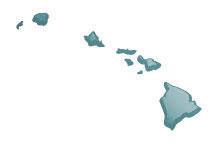
Hawaii handles substance abuse counselor certification differently from most states. ADAD offers a single primary substance abuse counseling credential (CSAC), though other mental health licenses exist outside this system. The Alcohol and Drug Abuse Division (ADAD) issues one primary credential: the Certified Substance Abuse Counselor (CSAC). If you want to work as a substance abuse counselor in Hawaii, that’s the credential you’re working toward.
The path to CSAC certification isn’t short, but it’s accessible. You don’t need a college degree to start. What you need is time, supervised experience, and a willingness to learn the craft of addiction counseling through the 12 Core Functions that structure the field. Here’s how it works.


The CSAC: Hawaii’s Primary Credential
The Certified Substance Abuse Counselor credential is authorized under Hawaii Revised Statutes governing the Department of Health and ADAD, which designates ADAD as the certifying authority for substance abuse counselors statewide. ADAD is a member board of the International Certification and Reciprocity Consortium (IC&RC), which means Hawaii’s certification standards align with an international framework, and certified counselors may have reciprocity with other IC&RC member boards.
Before you begin the application process, note that you are generally expected to live or work primarily in Hawaii. Confirm current residency requirements with ADAD before applying.
CSAC Requirements by Education Level
Your educational background determines how many supervised hours you’ll need. The education requirement (300 hours) stays the same regardless of degree. The work experience requirement scales significantly based on your credentials. Here’s how the three pathways compare:
| Education Level | Supervised Hours Required | Hours in 12 Core Functions |
|---|---|---|
| High school diploma or GED | 6,000 hours | 400 hours (min. 20 per function) |
| Associate’s degree in Addiction Counseling | 4,000 hours | 400 hours (min. 20 per function) |
| Bachelor’s degree in human services or behavioral science | 4,000 hours | 400 hours (min. 20 per function) |
| Master’s degree in human services or behavioral science | 2,000 hours | 400 hours (min. 20 per function) |
Only work experience completed within the last seven years from the date of application counts toward your total. If you have older experience in the field, it may not be applicable. Verify with ADAD directly if you have questions about your specific situation, as requirements are subject to change.
Education Requirements
All applicants must complete 300 hours of ADAD-approved education. At least 270 of those hours must be substance use disorder specific, falling within the IC&RC performance domains: clinical evaluation, treatment planning, referral, service coordination, counseling, client and family education, documentation, and professional and ethical responsibility. The remaining 30 hours may cover related topics such as multicultural competency.
Within those 300 hours, six hours must address professional ethics and issues, and six hours must cover confidentiality requirements, including 42 CFR Part 2, along with HIV/AIDS and STD training. A portion of SUD-specific hours may be completed through distance learning (limits set by ADAD; verify current caps).
Hawaii Community College’s Substance Use Disorder Counseling program and similar ADAD-approved providers can help you structure your education to meet these requirements. Official transcripts or certificates of completion are required for documentation.
Supervised Work Experience
Supervised experience is where most of the time investment happens. Regardless of how many total hours your pathway requires, all applicants must document at least 400 hours working directly across the 12 Core Functions, with a minimum of 20 hours in each function. Those functions include: Screening, Intake, Orientation, Assessment, Treatment Planning, Counseling, Case Management, Crisis Intervention, Client Education, Referral, Reports and Record Keeping, and Consultation.
Your supervisor must be a CSAC in good standing, approved by ADAD, and directly overseeing your work within your practice setting. ADAD requires that your supervisor be in direct communication with the division throughout your supervised period and that your hours be documented on the provided forms. Choose your placement and supervisor carefully. The quality of supervision shapes the quality of your clinical foundation.
The Application Process
Applications are typically submitted by mail to ADAD’s certification office in Kapolei; check ADAD for current submission options. Before you submit, open a certification file with ADAD so they can review your transcripts and advise which educational hours you’ve already satisfied. This step saves time and prevents surprises late in the process.
Your application packet typically includes: a completed application form, official transcripts mailed directly from institutions, documented work experience verified by your supervisor, a current job description signed by both you and your supervisor, a signed copy of the CSAC Code of Ethics, a government-issued photo ID, and a criminal background check. The initial application fee is $25 (subject to change; verify with ADAD), payable by certified check or money order to the “State Director of Finance.” Personal checks and cash are not accepted. Processing typically takes six to eight weeks from the time your file is complete.
Once ADAD notifies you by email that your file has been opened, you’re cleared to schedule the IC&RC Written Certification Examination. You may be required to complete an oral or case-presentation exam, depending on current ADAD requirements. If you don’t pass the written exam on your first attempt, you must wait 90 days before retesting. Applications and current forms are available through the ADAD certification page.
CSAC Renewal
The CSAC credential is valid for two years. To renew, you’ll need 40 hours of ADAD-approved continuing education, including at least six hours of ethics. Up to 20 of those CE hours may be completed through distance learning. The renewal fee is $25, paid the same way as the initial application fee, by cashier’s check or money order.
Other ADAD Credentials
The CSAC is Hawaii’s core substance abuse counseling credential, but ADAD certifies several additional roles for those who want to specialize or advance:
Certified Clinical Supervisor (CCS): For experienced counselors who want to supervise and train others. Requires holding a CSAC (or equivalent IC&RC credential) and completing supervisor-specific training, along with passing the CCS exam.
Certified Co-occurring Disorders Professional (CCDP): Focuses on serving clients with both substance use disorders and co-occurring mental health conditions. This credential is well-suited for counselors who work in integrated treatment settings.
Certified Criminal Justice Professional (CCJP): Designed for counselors working with justice-involved populations. Hawaii has a substantial population of people diverted through Drug Court, making this a meaningful specialty.
Certified Prevention Specialist (CPS): Focuses on community education and early intervention rather than clinical treatment. Ideal for those drawn to school-based, public health, or outreach work.
Each specialty credential has its own education and experience requirements. Contact ADAD directly for current criteria, as requirements are subject to change.
IC&RC Reciprocity
Because Hawaii is an IC&RC member board, CSAC holders may have reciprocity with other IC&RC member boards in other states. If you hold an active IC&RC-affiliated credential from another state and relocate to Hawaii, you may be able to transfer your certification through ADAD’s reciprocity process rather than starting from scratch. Contact your current credentialing board first to request a reciprocity application, then work with ADAD to determine whether any additional requirements apply. Reciprocity terms are determined on a case-by-case basis.
Salary and Career Outlook
According to the Bureau of Labor Statistics, substance abuse, behavioral disorder, and mental health counselors in Hawaii earned a median annual salary of $54,390 as of May 2024 (latest available BLS data; figures may change annually). The top 25% of earners in the state reported wages of $76,220 or higher, while entry-level and lower-wage positions came in around $48,910.
Hawaii faces real workforce pressure in this field. Methamphetamine and opioid use disorders continue to affect communities across the islands, and the demand for trained counselors in both public treatment programs and court-based diversion programs remains steady. The CSAC credential opens doors in treatment centers, outpatient programs, community health clinics, and the criminal justice system, including Drug Court placements where CSAC-qualified counselors provide mandated services.
Career trajectory in this field often moves from direct counseling work toward supervision (CCS), program administration, or specialized practice with specific populations. A degree in a related field, whether at the bachelor’s or master’s level, both accelerates certification and broadens the roles available to you over time.
Frequently Asked Questions
Do I need a college degree to become a substance abuse counselor in Hawaii?
No. The CSAC credential is available to anyone with a high school diploma or GED. However, earning a degree significantly reduces the supervised hours you’ll need, from 6,000 hours with a diploma to 4,000 hours with a bachelor’s degree, or 2,000 hours with a master’s. Many counselors begin without a degree and pursue education while accumulating experience.
How long does it take to become a certified substance abuse counselor in Hawaii?
That depends largely on your starting point. With only a high school diploma, accumulating 6,000 supervised hours in full-time work takes at least 3 years. With a master’s degree, 2,000 hours is more achievable within one to two years. Add education requirements and application processing time, and most candidates complete the process in two to five years, depending on their pathway.
Who can supervise my clinical hours in Hawaii?
Your supervisor must be a CSAC in good standing (or hold an equivalent IC&RC-affiliated credential), approved by ADAD, and directly overseeing your work within your practice setting. You cannot use a supervisor who is not in direct contact with ADAD regarding your progress.
Can I transfer my out-of-state certification to Hawaii?
If you hold an active credential from another IC&RC member board, you may be eligible for reciprocity. The process involves contacting both your current credentialing board and ADAD. Reciprocity isn’t automatic, and ADAD may require additional steps depending on your situation. Verify current reciprocity criteria directly with ADAD before making relocation decisions.
Where do I submit my CSAC application?
Applications are typically submitted by mail to the ADAD Certification Office at 601 Kamokila Boulevard, Room 360, Kapolei, Hawaii 96707. Check ADAD directly for current submission options, as these may change. Open your certification file with them early so they can review your transcripts and identify any gaps before you complete your hours.
Key Takeaways
- One credential, multiple pathways — Hawaii offers a single substance abuse counselor credential, the CSAC, administered by the state’s Alcohol and Drug Abuse Division (ADAD).
- Education requirement is fixed at 300 hours — All applicants need 300 hours of ADAD-approved training (270 SUD-specific), regardless of degree level.
- Degree level determines supervised hours — The work experience requirement ranges from 6,000 hours (high school diploma) down to 2,000 hours (master’s degree).
- IC&RC membership enables reciprocity — Hawaii’s CSAC aligns with international standards, and certified counselors may be recognized by other IC&RC member boards.
- Specialty credentials are available — Beyond the CSAC, ADAD offers credentials for supervisors (CCS), co-occurring disorders (CCDP), criminal justice settings (CCJP), and prevention work (CPS).
Ready to explore programs? Review education options that can help you meet Hawaii’s CSAC requirements and build a foundation for this career.
2024 US Bureau of Labor Statistics salary and employment figures for Social Workers, Social and Human Services Assistants, Social and Community Service Managers, and Substance Abuse, Behavioral Disorder, and Mental Health Counselors, reflect state and national data, not school-specific information. Conditions in your area may vary. Data accessed April 2026.