MSW in AL | Master of Social Work in Alabama
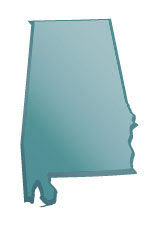
Alabama has multiple CSWE-accredited MSW programs, along with some in candidacy status. Verify current totals via the CSWE directory. An MSW from a CSWE-accredited program is required for clinical licensure in Alabama, including the Licensed Certified Social Worker (LCSW) and Private Independent Practice (PIP) designations. Most programs take two years to complete full-time.
Social workers in Alabama work in conditions that make the degree matter. The state has a persistent need across rural counties, an overburdened child welfare system, and limited access to mental health services in many communities. If you’re planning a career in this field, an MSW positions you for the work that actually needs doing — and opens the door to independent clinical practice.


Alabama’s MSW programs range from long-established research institutions to newer online-only programs built for working adults. Several programs currently hold CSWE accreditation or candidacy status, which matters because licensure in Alabama (and most other states) requires a degree from a CSWE-accredited program.
Why the MSW Matters for Licensure in Alabama
Alabama’s licensing tiers are tied directly to your degree level. A Bachelor of Social Work (BSW) gets you to the Licensed Baccalaureate Social Worker (LBSW). An MSW from a CSWE-accredited program opens the next three tiers: the Licensed Graduate Social Worker (LGSW), the Licensed Certified Social Worker (LCSW), and the highest level, Private Independent Practice (PIP). Licensure requirements and supervision rules vary; always confirm the current requirements directly with the Alabama State Board of Social Work Examiners.
The LCSW and PIP are what make independent clinical work possible. Without them, you’re limited to supervised settings. If your goal is to diagnose and treat mental health conditions — or eventually run your own practice — the MSW isn’t optional. You can learn more about the specific requirements for each license level on our Alabama social work licensure page.
Choosing the Right MSW Program
All CSWE-accredited programs meet the educational requirement for Alabama licensure, but programs differ in ways that matter. Some emphasize clinical social work and are built around direct practice with individuals and families. Others have a macro focus: policy, administration, and community organizing. A few offer specializations in areas like child welfare or healthcare.
Think about the role you’re working toward before you pick a program. If you want to become a Licensed Clinical Social Worker, you want a program that includes supervised clinical hours and a clinical concentration. If you’re drawn to program leadership or policy work, a more generalist or macro-focused MSW will better serve you.
Campus vs. Online
Most Alabama programs now offer online or hybrid options. Online MSW programs vary in how they handle field placements. Some arrange them locally. Others expect you to find your own supervised hours. If you’re already working in human services and need flexibility, online programs can make the degree accessible without uprooting your life. If you’re earlier in your career and want structured mentorship, an on-campus cohort often provides more support.
Accreditation Status
The table below lists Alabama MSW programs with current CSWE standing. Programs marked “Accredited” are fully approved. Programs marked “Candidacy” are working toward full accreditation. Degrees from candidacy programs may be accepted in some cases — confirm with the Alabama State Board of Social Work Examiners before enrolling if licensure timing is a concern. For the most current accreditation status on any program, check the CSWE directory directly.
CSWE-Accredited MSW Programs in Alabama
| School | Locations | CSWE Status | Accredited Since | Contact |
|---|---|---|---|---|
| Alabama A&M University | Normal, AL; Birmingham, AL | Accredited | 1996 | [email protected] 256-372-8456 |
| Alabama State University | Montgomery, AL; Online | Accredited | 2015 | [email protected] 334-229-6957 |
| Auburn University | Auburn, AL; Online | Accredited | 2017 | [email protected] 334-844-4646 |
| Jacksonville State University | Jacksonville, AL | Accredited | 2017 | [email protected] 256-782-5591 |
| Oakwood University | Online | Candidacy | Candidacy status (confirm current timeline) | [email protected] 256-726-7340 |
| Samford University | Birmingham, AL; Online | Accredited | 2014 | [email protected] 205-726-2011 |
| Troy University | Troy, AL; Montgomery, AL; Online | Accredited | 2013 | [email protected] 334-670-3366 |
| Tuskegee University | Online | Candidacy | Candidacy status (confirm current timeline) | [email protected] 334-727-8300 |
| University of Alabama | Tuscaloosa, AL; Online | Accredited | Long-standing (verify exact date) | [email protected] 205-348-7027 |
| University of Alabama at Birmingham | Birmingham, AL | Accredited | 2016 | [email protected] 205-975-4938 |
| University of North Alabama | Online | Accredited | 2020 | [email protected] 256-765-4391 |
Frequently Asked Questions
Do I need a CSWE-accredited MSW to get licensed in Alabama?
Yes. Alabama licensure at the LGSW, LCSW, and PIP levels requires an MSW from a CSWE-accredited program. Confirm current requirements directly with the Alabama State Board of Social Work Examiners, as rules can change.
Can I earn an MSW online in Alabama?
Several Alabama programs offer fully online MSW programs, including Alabama State University, Auburn University, Samford University, Troy University, the University of Alabama, and the University of North Alabama. Online programs still require in-person field placement hours, which are typically arranged locally.
How long does an MSW program take?
Most full-time MSW programs take two years. If you already hold a BSW from a CSWE-accredited program, you may qualify for an advanced standing track, which can reduce completion time to roughly 12 to 16 months, depending on the program.
What’s the difference between LCSW and Private Independent Practice (PIP) in Alabama?
The LCSW allows you to provide clinical social work services in licensed settings. The PIP designation is Alabama’s highest license tier and allows independent private practice. Both require an MSW from a CSWE-accredited program,m along with supervised hours and the ASWB clinical exam. Confirm exact requirements with the Alabama State Board of Social Work Examiners.
How do I verify whether a candidacy program qualifies for Alabama licensure?
Contact the Alabama State Board of Social Work Examiners directly before enrolling. Candidacy programs are working toward full CSWE accreditation and may or may not satisfy licensing requirements depending on timing and board policy at the time you apply.
Key Takeaways
- CSWE accreditation is required for clinical licensure. Without it, you can’t reach the LGSW, LCSW, or PIP tiers in Alabama. Verify any program’s status via the CSWE directory before enrolling.
- Candidacy programs carry additional risk. Degrees from programs in candidacy may or may not qualify for licensure. Confirm with the Alabama State Board before you commit.
- Multiple formats are available. Campus, hybrid, and fully online options exist across Alabama, with field placement support varying by program.
- Match the program to your career goal. Clinical tracks prepare you for independent practice. Generalist and macro tracks suit policy, administration, and community-level work.
- Advanced standing can shorten your timeline. BSW graduates from accredited programs may qualify for an accelerated track at many schools.
Ready to compare programs? Use our Alabama licensure guide to understand what each credential requires before you choose a program.