Human Services Careers in Alaska
Human services careers in Alaska span social work, counseling, case management, and program administration. The state’s geographic isolation, high rates of substance use disorders, and rural mental health gaps mean professionals in this field are in demand across the state. The degree you earn largely determines which roles and licenses are open to you.
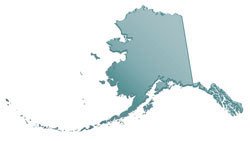
Alaska’s size changes the job. Human services workers here travel to villages accessible only by small plane, coordinate care across communities without reliable internet, and work with populations that face multiple compounding challenges at once. The state has high rates of domestic violence, substance use disorders, and suicide. These conditions contribute to workforce demand and shape what a career in this field actually looks like.
Alaska has a shortage of mental health providers in rural and remote areas. Many communities outside Anchorage, Fairbanks, and Juneau rely on telehealth or traveling providers for behavioral health services. That gap is an area of growth for human services roles, whether in direct service or in program coordination for organizations working to close it.
Alaska Native communities represent a significant portion of the state’s population, and many human services roles involve work with these communities specifically. Tribal health organizations, native nonprofits, and state agencies hire social workers, counselors, and case managers to serve these populations. It’s work that often involves sustained engagement, cultural competency, and a willingness to keep learning on the job.


Career Paths and the Degrees That Lead There
What you can do in Alaska’s human services field depends largely on what you earn. A bachelor’s degree in social work or human services opens entry-level and paraprofessional roles. A Master of Social Work (MSW) from a Council on Social Work Education (CSWE)-accredited program adds clinical eligibility. A doctoral degree opens faculty, supervisory, and policy roles. The table below maps degree level to licensure and example careers.
| Degree Level | License Eligibility in Alaska | Example Roles |
|---|---|---|
| Bachelor’s (BSW, Human Services, Psychology, or Sociology) | Licensed Baccalaureate Social Worker (LBSW); Substance Abuse Counselor certification | Case management aide, community outreach worker, probation officer, behavioral management aide, rehabilitation caseworker |
| Master’s (MSW from CSWE-accredited program) | Licensed Master Social Worker (LMSW); Licensed Clinical Social Worker (LCSW) | Child welfare case manager, social and community service manager. Note: roles such as marriage and family therapist or mental health counselor may require separate licensure pathways, including Licensed Professional Counselor (LPC) requirements in Alaska. |
| Doctoral (PhD in Social Work or Psychology) | All master’s-level licenses plus eligibility for supervisory and faculty roles | University educator, clinical supervisor, program director, policy researcher |
What Human Services Workers Earn in Alaska
Alaska pays above the national median for most human services occupations. According to the Bureau of Labor Statistics, here’s what workers in key roles earned as of May 2024.
| Occupation | Alaska Median Salary | National Median Salary |
|---|---|---|
| Social Workers | about $64,000 | about $67,000 |
| Substance Abuse, Behavioral Disorder, and Mental Health Counselors | about $89,000 | about $65,000 |
| Social and Human Services Assistants | about $49,000 | about $47,000 |
| Social and Community Service Managers | about $93,000 | about $86,000 |
Counselors show the largest difference between Alaska and national figures. Alaska’s median of about $89,000 for Substance Abuse, Behavioral Disorder, and Mental Health Counselors compares to a national median of about $65,000. This gap may reflect workforce demand and recruitment challenges in a remote state.
Job Growth Outlook in Alaska
The Bureau of Labor Statistics projects steady demand for human services workers in Alaska through 2032. Healthcare Social Workers show the strongest projected growth at about 12%, followed by Mental Health and Substance Abuse Social Workers at about 11%.
| Occupation | Projected Growth (2022-2032) | Avg Annual Openings |
|---|---|---|
| Healthcare Social Workers | about 12% | 30 |
| Mental Health and Substance Abuse Social Workers | about 11% | 40 |
| Child, Family, and School Social Workers | about 8% | 90 |
| Social and Human Services Assistants | about 7% | 80 |
| Social and Community Service Managers | about 6% | 60 |
Child, Family, and School Social Workers account for the most openings at an average of 90 per year. These projections are associated with workforce demand in the state rather than rapid field expansion.
Frequently Asked Questions
What degree do I need to work in human services in Alaska?
It depends on the role. Entry-level positions in case management, outreach, and behavioral health support are often available with a bachelor’s degree in social work, human services, psychology, or sociology. Clinical roles require an MSW from a CSWE-accredited program plus supervised experience. Alaska uses three social work license tiers: the LBSW, LMSW, and Licensed Clinical Social Worker (LCSW). You can review the full requirements in our Alaska Social Work License Guide.
Does Alaska have a substance abuse counselor certification?
Yes. Alaska certifies Substance Abuse Counselors separately from its social work license tiers. A bachelor’s degree in social work, sociology, or psychology can qualify you to pursue this credential. The state’s Division of Behavioral Health oversees the certification process.
Are there human services jobs in rural Alaska?
There are, though, rural positions that may be more difficult to fill than urban ones. State agencies, tribal health organizations, and nonprofits hire for rural roles, and some positions involve travel between communities. Telehealth has expanded access in recent years, but has not fully replaced the need for workers who can operate in the field.
Do I need an Alaska-specific license to practice social work there?
Yes. Alaska requires licensure through the Alaska Board of Social Work Examiners. The board issues the LBSW for bachelor’s-level workers, the LMSW for master’s-level workers, and the LCSW for clinically licensed professionals. Each tier has its own education, supervised hours, and exam requirements.
Key Takeaways
- Demand is driven by specific conditions – Alaska’s high rates of substance use disorders, domestic violence, and rural mental health gaps contribute to openings across human services roles.
- Alaska pays above national medians in most categories – Counselors in particular earn a median of about $89,000 in Alaska, compared to about $65,000 nationally, according to BLS data.
- Your degree largely determines your license options – A BSW opens entry-level and paraprofessional roles. An MSW from a CSWE-accredited program adds eligibility for the LMSW and LCSW.
- Licensing is required for most professional roles – Alaska issues three social work license tiers through the Board of Social Work Examiners, each with distinct education and experience requirements.
To learn more about licensing requirements and find accredited programs in Alaska, visit our Alaska Social Work License Guide or explore MSW programs in Alaska.
2024 US Bureau of Labor Statistics salary and employment figures for Social Workers, Social and Human Services Assistants, Social and Community Service Managers, and Substance Abuse, Behavioral Disorder, and Mental Health Counselors, reflect state and national data, not school-specific information. Conditions in your area may vary. Data accessed April 2026.