How to Become a Licensed Counselor in Michigan: LPC & LLPC Requirements
To become a licensed professional counselor in Michigan, you need a master’s degree in counseling (minimum 60 semester hours for non-CACREP programs as of 2023), pass a qualifying exam, then complete 3,000 hours of supervised experience under a Limited Licensed Professional Counselor (LLPC) status before applying for your full LPC license.
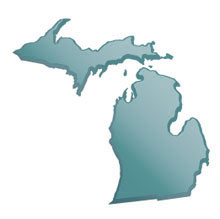
Michigan uses a two-tier licensing system for professional counselors. You start as a Limited Licensed Professional Counselor (LLPC), which lets you practice under supervision while you accumulate the experience hours required for full licensure. Once you’ve met those requirements, you apply to become a Licensed Professional Counselor (LPC) and can practice independently. If you’re just starting to map this path, here’s exactly what the process looks like from degree to license.


The Two-Tier Michigan Licensing System: LLPC and LPC
The Michigan Board of Counseling, part of the Department of Licensing and Regulatory Affairs (LARA), issues both licenses. The distinction matters from day one of your post-graduate job search: you can’t start accumulating supervised hours toward your LPC until you hold your LLPC. They’re sequential, not interchangeable.
The LLPC is a working license. You can see clients, bill for services, and build clinical skills, but you must be supervised by a qualified LPC throughout. Under current rules, the LLPC renews annually and may be renewed up to 10 times, giving you a maximum of 10 years to meet the requirements for full licensure. Many full-time counselors complete the process in about two years, though timelines vary depending on employment status and hours worked.
| Requirement | LLPC (Limited License) | LPC (Full License) |
|---|---|---|
| Education | Master’s in counseling from a CACREP-accredited program, or equivalent with 60 sem. hours | Same education requirement |
| Supervised Hours | Not required to obtain LLPC | 3,000 hours over at least 2 years (master’s); 1,500 hours over 1 year (doctoral) |
| Direct Supervision | Not required to obtain LLPC | 100 hours (master’s); 50 hours (doctoral) |
| Exam | NCE, NCMHCE, or CRCC exam | Same exam (taken before or during LLPC period) |
| License Renewal | Annual (max 10 renewals under current rules) | Every 3 years |
| Independent Practice | No, supervision required | Yes |
Step 1: Meet the Educational Requirements
Michigan requires a master’s degree in counseling (or a closely related field) for both the LLPC and LPC. The fastest and most straightforward path is a program accredited by the Council for Accreditation of Counseling and Related Educational Programs (CACREP). CACREP-accredited programs are designed to align with Michigan’s curriculum, practicum, and internship requirements and are typically accepted without additional review of coursework.
If your program isn’t CACREP-accredited, it must meet these minimum standards:
- At least 60 semester hours (or 90 quarter hours) for students who entered their program on or after July 1, 2023. Programs entered before that date required 48 semester hours.
- Coursework covering the diagnosis and treatment of mental and emotional disorders, plus all other CACREP core content areas.
- A supervised practicum and a qualifying internship of at least 600 clock hours.
If your degree is from a non-CACREP program, the Board may require a program evaluation by the Center for Credentialing and Education (CCE) or a member organization of the National Association of Credential Evaluation Services (NACES) to confirm your coursework is substantially equivalent. You bear the cost of that evaluation, so a CACREP-accredited program is worth considering if you have the choice.
Step 2: Apply for Your LLPC License
Once you have your master’s degree, your next move is applying for your Limited Licensed Professional Counselor (LLPC) license through Michigan’s MiPLUS online system. You can’t start accumulating supervised hours toward your LPC until this license is issued, so don’t delay the application after graduation.
Your LLPC application requires:
- Completed MiPLUS application and fee (approximately $88.10, subject to change)
- Official transcripts sent directly from your institution to the Board
- Criminal background check (instructions provided after submission)
- Social Security Number or an SSN affidavit if exempt
- Good moral character questions (documentation required if you answer “yes” to either)
- Evidence of English language proficiency
- Proof of Human Trafficking training completion (one-time requirement, see CE section below)
- Proof of Implicit Bias training (2 hours within the 5 years before initial licensure)
- A Professional Disclosure Statement naming the supervising LPC who will oversee your 3,000 hours
- A completed Supervising LPC Qualifications Form confirming your supervisor holds a Michigan LPC and has completed the required supervision training
Step 3: Pass the Licensing Exam
Michigan accepts three qualifying exams for counselor licensure. You need a passing score on one of the following:
- National Counselor Examination (NCE): Administered by the National Board for Certified Counselors (NBCC). This is the most commonly taken exam for LPC applicants.
- National Clinical Mental Health Counseling Examination (NCMHCE): Also administered by NBCC.
- Commission on Rehabilitation Counselor Certification (CRCC) exam: Typically relevant only for applicants with a rehabilitation counseling background.
The NCE costs $275, paid directly to NBCC. Many candidates sit for the exam before or shortly after applying for their LLPC. Check with your graduate program to see whether they facilitate the application process, since many CACREP programs have established procedures to guide students through it.
Step 4: Complete Supervised Experience as an LLPC
This is the longest phase of the licensure process. As an LLPC, you’ll work in a counseling setting under the direct supervision of a Michigan-licensed LPC while accumulating the hours required to apply for full licensure.
Hours Required
- Master’s degree holders: 3,000 hours over a minimum of two years, including at least 100 hours of direct supervision
- Doctoral degree holders: 1,500 hours over a minimum of one year, including at least 50 hours of direct supervision
Supervision must be face-to-face or via real-time interactive technology — remote asynchronous communication doesn’t satisfy the requirement. Your supervisor must be an LPC licensed in Michigan who has completed the Board’s required supervision training, which includes graduate credit or workshop hours in counseling supervision.
How Long Does This Take?
Many full-time candidates complete the required hours in about two years, though the actual timeline varies depending on employment status and how many hours per week you’re logging in a counseling role. The full path from bachelor’s degree to LPC typically runs eight to nine years: four years for undergrad, two to three years for a master’s program, and at least two years of supervised post-degree experience.
Step 5: Apply for Your LPC License
Once your supervised hours are complete and documented, you apply to the Michigan Board of Counseling for full LPC licensure through MiPLUS. At this stage, you’re applying for independent practice. You can open a private practice, take on clients without a supervising LPC present, and supervise LLPC candidates yourself once you’ve met the additional supervision training requirements.
The current LPC renewal fee is $198.45 for the three-year period. Michigan mails renewal notices approximately 90 days before your license expiration date, and you renew online through MiPLUS. There’s a 60-day grace period after expiration, but late fees apply, and failing to renew within that window requires a relicensure process rather than a standard renewal.
Continuing Education and Renewal Requirements
Michigan does not currently require a broad number of continuing education hours for LPC renewal. However, mandatory training requirements, such as implicit bias training each renewal cycle, effectively function as continuing education and must be completed. Requirements can also change, so it’s worth checking the Michigan Board of Counseling website before each renewal.
Mandatory Training for All Michigan Counselors
- Human Trafficking Training (one-time): Before your first license issuance or first renewal after the requirement took effect, you must complete approved training in identifying victims of human trafficking. This covers recognizing warning signs in adults and minors, understanding trafficking venues, and knowing how to report suspected cases.
- Implicit Bias Training (ongoing, effective May 2024): New applicants must complete at least 2 hours of training within the 5 years preceding initial licensure. For each subsequent three-year renewal cycle, you must complete 1 hour per license year, for a total of 3 hours per renewal period. Training may be completed in either synchronous or asynchronous formats, as long as it meets state requirements.
Reciprocity: Moving to Michigan With an Out-of-State License
Michigan grants licensure by endorsement to counselors who hold an equivalent license in another state and have been actively practicing for at least five years before applying. You’ll need your out-of-state licensing board to send official verification of your license directly to the Michigan Board of Counseling, including any disciplinary records. If Michigan determines your out-of-state education doesn’t meet its requirements, you may need a program evaluation before endorsement is granted.
Counselor Salaries in Michigan
According to the Bureau of Labor Statistics, substance abuse, behavioral disorder, and mental health counselors in Michigan earn a median annual salary of $59,530, with the top 25% earning $74,360 or more. These figures are based on the most recent BLS data released in 2024 and vary by setting, experience, and specialization. The field employs approximately 11,090 counselors statewide.
Nationally, the Bureau of Labor Statistics projects approximately 18% employment growth for substance abuse, behavioral disorder, and mental health counselors between 2022 and 2032, well above average for all occupations, reflecting strong and growing demand for qualified counselors.
Frequently Asked Questions
What is the difference between an LLPC and an LPC in Michigan?
The Limited Licensed Professional Counselor (LLPC) is the supervised, entry-level credential issued after you complete your master’s degree and pass your licensing exam. It lets you see clients and build experience, but requires ongoing supervision by a licensed LPC. The Licensed Professional Counselor (LPC) is the full independent license you earn after completing 3,000 hours of supervised post-degree work. Only LPCs can practice without a supervisor.
How long does it take to get an LPC in Michigan?
From the start of a master’s program, most full-time candidates spend two to three years earning their degree and another two years completing supervised hours as an LLPC, for a total of four to five years post-bachelor’s. The full path from the start of undergraduate education typically runs eight to nine years. Doctoral degree holders reduce the supervised experience phase to one year, though doctoral programs themselves are longer.
Does Michigan require continuing education for LPC renewal?
Michigan doesn’t require a broad number of CE hours, but it does require mandatory training that serves a similar purpose. That includes a one-time Human Trafficking training before initial licensure or first renewal, and Implicit Bias training totaling 3 hours per three-year renewal cycle (effective May 2024). These are real requirements — not optional — and Michigan’s rules in this area can change, so verify with the Board before each renewal.
Can I transfer my counseling license to Michigan from another state?
Yes. Michigan offers licensure by endorsement for counselors who hold an equivalent out-of-state license and have at least five years of active practice. Your previous licensing board must send verification directly to the Michigan Board of Counseling. If your education doesn’t meet Michigan’s requirements, a program evaluation may be required before your application is approved.
What exam do I need to become a licensed counselor in Michigan?
Michigan accepts the National Clinical Mental Health Counseling Examination (NCMHCE), the Commission on Rehabilitation Counselor Certification (CRCC) exam, or the National Clinical Mental Health Counseling Examination (NCMHCE). The NCE is the most commonly taken path for general LPC applicants and costs $275 through the National Board for Certified Counselors (NBCC). The CRCC exam is typically relevant only to those pursuing a rehabilitation counseling specialty.
Key Takeaways
- Two licenses, not one: Michigan uses a two-tier system. You earn your LLPC first, then work toward your LPC through supervised practice.
- 3,000 hours of supervised experience: Master’s degree holders need at least 2 years of post-degree supervised work, including 100 hours of direct supervision, before applying for full licensure.
- CACREP accreditation simplifies the process: CACREP-accredited master’s programs are designed to align with Michigan’s requirements and are typically accepted without additional review of coursework.
- CE requirements have changed: Michigan now requires Human Trafficking training (one-time) and Implicit Bias training (3 hours per renewal cycle, effective May 2024). Requirements can evolve, so verify before each renewal.
- Endorsement is available: If you’re licensed in another state with five or more years of active practice, you may qualify for Michigan licensure by endorsement rather than starting the process from scratch.
Ready to explore counseling programs in Michigan? Use our state guide to find accredited programs that meet Michigan’s licensure requirements and match your career goals.
2024 US Bureau of Labor Statistics salary and employment figures for Substance Abuse, Behavioral Disorder, and Mental Health Counselors, reflect state and national data, not school-specific information. Conditions in your area may vary. Data accessed April 2026.