Substance Abuse Counselor Certification in Maine: CADC and LADC Requirements
Maine offers two credential levels for substance abuse counselors: the Certified Alcohol and Drug Counselor (CADC) and the Licensed Alcohol and Drug Counselor (LADC). The CADC requires supervised practice. The LADC allows independent work and private practice. Both require passing IC&RC exams and accumulating supervised hours. An entry-level Aide designation lets you start working while you build toward full certification.
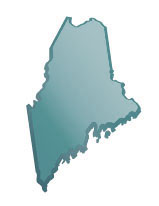
Maine has one of the highest rates of opioid-related overdose deaths in New England. That reality has created real, sustained demand for qualified alcohol and drug counselors across the state, from community health centers in Portland to rural treatment programs in Aroostook County. If you’re considering this path, Maine’s credentialing system is more accessible than most states. You don’t need a bachelor’s degree to get started. What you do need is a clear picture of the three tiers, what each one requires, and where it can take you.
Are you interested in learning about Addiction and Substance Counseling? Take the opportunity to learn about dedicated programs. Request free information to begin or continue a degree program.


The Three Credential Levels
Maine’s Board of Alcohol and Drug Counselors oversees three credential levels: Alcohol and Drug Counseling Aide (ADCA), Certified Alcohol and Drug Counselor (CADC), and Licensed Alcohol and Drug Counselor (LADC). Each builds on the one before it, and the Aide designation exists specifically so you can begin accumulating supervised hours before you’re eligible for full certification.
The ADCA is the entry point. You need a high school diploma, a clean criminal background check, and you must be at least 18. There’s no exam requirement and no prior work experience needed. Once you hold the Aide credential, you can work directly with alcohol and drug clients under supervision while your hours count toward the CADC.
CADC Requirements
The Certified Alcohol and Drug Counselor (CADC) credential is the first full practice level. You need to meet an education requirement, accumulate supervised hours, and pass the IC&RC Alcohol and Drug Counselor (ADC) exam.
For education, you have a few options. The most direct path is an associate’s degree in addiction counseling or a clinically based behavioral science from a regionally accredited school. Alternatively, you can complete at least 30 college credit hours in a related field, earn a Mental Health Rehabilitation Technician Certificate (MHRT/Community) from the University of Maine at Augusta or the University of Southern Maine, or another Board-approved equivalent.
For supervised work experience, you need 4,000 hours working directly with alcohol and drug clients. Those hours must cover at least three of the following functions: clinical evaluation, treatment planning, individual or group counseling, case management, or client and family education. All hours must be supervised by a Certified Clinical Supervisor (CCS).
The CADC does not allow independent practice. You must work under supervision and maintain an active Supervision Agreement on file with the Board. You can find the CADC application on the Maine Office of Professional and Occupational Regulation licensing page.
LADC Requirements
The Licensed Alcohol and Drug Counselor (LADC) is the full independent practice credential. With an LADC, you can work in private practice, open your own office, and supervise other counselors once you hold a Certified Clinical Supervisor (CCS) designation.
The education requirements for the LADC are the same as for the first CADC path: an associate’s degree or higher in addiction counseling or a clinically based behavioral science.
The supervised hours requirement depends on your education and credentials:
- 6,000 hours if you hold a high school diploma only
- 4,000 hours if you hold an associate’s or bachelor’s degree from an accredited institution
- 2,000 hours if you hold a master’s degree in addiction therapy or a clinical behavioral science
- 2,000 hours if you hold an active CADC credential
For the LADC, you must pass both the ADC exam and the Advanced Alcohol and Drug Counselor (AADC) exam, both administered by the IC&RC. Applications are available through the Maine Office of Professional and Occupational Regulation licensing page.
Maine also licenses professional counselors at the LPC level. If you’re weighing your credentialing options, see our Maine counseling licensure guide for a full breakdown of that path.
Renewal and Continuing Education
Licenses expire annually on November 30. Both credentials require continuing education for renewal.
CADC holders must complete 18 hours of continuing professional education (CPE) every two years. LADC holders must complete 25 hours per two-year cycle. If you hold both an LADC and a CCS designation, that requirement increases to 37 hours total. Every renewal cycle must include at least four hours covering professional ethics.
The Maine Board of Alcohol and Drug Counselors accepts NAADAC-approved distance learning for continuing education, though distance learning is not accepted for initial licensure. The $35 renewal fee is due by November 30. A $50 late fee applies if you miss the deadline.
Salary and Job Outlook in Maine
According to the Bureau of Labor Statistics, substance abuse, behavioral disorder, and mental health counselors in Maine earned a median annual salary of $60,970 as of May 2024. The bottom 25 percent earned around $48,360, while the top 25 percent earned $73,510 or more. Maine employs approximately 1,610 counselors in this occupation.
The BLS projects steady demand, with dozens of annual openings for counselors in Maine. Given Maine’s ongoing challenges with opioid use disorder, demand for qualified counselors remains particularly strong in rural and underserved regions. For a broader look at this career and what it involves day to day, visit our Maine social work licensure guide or the substance abuse counselor career overview.
Frequently Asked Questions
Can I work as a substance abuse counselor in Maine without a degree?
Yes, at the Aide level. The ADCA credential requires only a high school diploma, a background check, and that you be at least 18 years old. From there, you can accumulate supervised hours toward your CADC while working directly with clients.
Can a CADC open a private practice in Maine?
No. The CADC requires ongoing clinical supervision and an active Supervision Agreement on file with the Board. Independent practice, including private practice, requires the LADC credential.
How long does it take to get a CADC in Maine?
It depends on your starting point. If you pursue an associate’s degree, expect 18 to 24 months of study plus time to accumulate 4,000 supervised hours. Working full-time, those hours take roughly two years. The total path from enrollment to credential is typically three to four years.
What exams are required for Maine CADC and LADC certification?
The CADC requires the ADC exam, administered by the IC&RC. The LADC requires both the ADC and the Advanced Alcohol and Drug Counselor (AADC) exam. The ADCA has no exam requirement.
What is the difference between the CADC and LADC in Maine?
The CADC is a supervised practice credential. You must work under a Certified Clinical Supervisor and cannot practice independently. The LADC allows independent and private practice. Both require passing IC&RC exams, but the LADC path requires more hours and an additional exam.
Key Takeaways
- Maine has three credential levels: the ADCA (entry-level aide), CADC (certified counselor), and LADC (licensed independent counselor). Each level builds on the previous one.
- The ADCA requires only a high school diploma, with no college degree or exam required, making it the most accessible entry point into the field.
- CADC candidates need 4,000 supervised hours and must pass the IC&RC ADC exam. A degree or 30 credit hours in a related field is also required.
- LADC candidates can reduce their hours from 6,000 to 4,000 with an associate’s or bachelor’s degree, or to 2,000 with a master’s degree or active CADC.
- Only the LADC allows independent practice. CADC holders must maintain a Supervision Agreement and work under a CCS at all times.
- Maine counselors earned a median salary of $60,970 as of May 2024, according to the Bureau of Labor Statistics.
Ready to explore your options? Find degree programs that meet Maine’s education requirements for CADC or LADC certification.
2024 US Bureau of Labor Statistics salary and employment figures for Social Workers, Social and Human Services Assistants, Social and Community Service Managers, and Substance Abuse, Behavioral Disorder, and Mental Health Counselors, reflect state and national data, not school-specific information. Conditions in your area may vary. Data accessed April 2026.