MSW Programs in Maine | 2026 Guide to UMaine, UNE, and USM
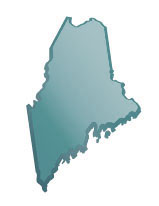
Maine has three CSWE-accredited MSW programs: the University of Maine, the University of New England, and the University of Southern Maine. Traditional programs run 61 to 63 credits and take two to four years. BSW graduates from accredited programs can qualify for advanced standing and finish in as little as one year. All three schools offer hybrid or partially online options.
Maine is one of the most rural states in the nation, has the oldest median population of any state, and faces substance use challenges that have strained its social service systems for years. Those realities don’t shrink the need for social workers. They expand it. And for people who want to do that work at an advanced level, an MSW is where you start.


There are currently three universities in Maine that offer CSWE-accredited Master of Social Work degree programs: the University of Maine in Orono, the University of New England, and the University of Southern Maine in Portland. Each has its own structure, delivery model, and program focus. Knowing the differences before you apply saves time and gets you to the right fit faster.
MSW Programs in Maine: The Three Schools
All three programs hold accreditation from the Council on Social Work Education (CSWE), which is the national standard for MSW programs and a requirement for licensure eligibility in Maine. Here’s how they compare at a glance.
| School | Credits Required | Delivery Format | Advanced Standing | Program Focus |
|---|---|---|---|---|
| University of Maine (Orono) | 63 | Hybrid (online + in-person) | Yes (46 credits) | Advanced Generalist |
| University of New England | Varies by track | Fully online | Yes | Clinical Practice / Community Practice |
| University of Southern Maine (Portland) | 61 | Campus, low-residency hybrid, online | Yes | Advanced Social Work Practice |
University of Maine
UMaine’s program is built around advanced generalist practice, which means graduates are trained to work across settings and populations rather than within a single specialty. The 63-credit curriculum runs as a hybrid program with mostly online coursework and cohort meetings held on Saturdays twice per semester at the Orono campus. Field internships are completed locally, making the program accessible to working students or those who can’t relocate. The program is typically open to residents of Maine, New Hampshire, and Vermont (availability may vary by cohort)—more at umaine.edu/socialwork.
University of New England
UNE transitioned to a fully online MSW program and no longer operates a physical campus for its social work program. The Portland location closed in 2024. That shift makes it the most geographically flexible option for Maine residents and the only choice for students who need 100% remote coursework with no in-person requirements beyond field placements. UNE offers clinical practice and community practice concentrations, so that students can focus their training on direct therapeutic work or broader community and policy roles from the start. Field placements are completed locally—more at online.une.edu/social-work/msw.
University of Southern Maine
USM’s School of Social Work in Portland offers campus-based, low-residency hybrid, and online program formats, giving students more scheduling options than any other Maine school. The curriculum runs 61 credits and includes two 9-month field internships totaling roughly 900 hours of supervised practice. Both the campus and low-residency tracks are built around a cohort model, meaning you move through the program alongside the same group of students. No GRE is required for admission. Graduates are eligible to sit for the LMSW or LMSW-CC licensing exam upon completion—more at usm.maine.edu/school-social-work.
Traditional vs. Advanced Standing: Which Track Fits You?
If you don’t hold a Bachelor of Social Work degree, you’ll enter a traditional MSW program. Traditional programs include a foundational year that builds generalist skills, followed by a specialization year. Full-time traditional students typically finish in two years. Part-time students take three to four.
Advanced standing is a different path. If you hold a BSW from a CSWE-accredited program, typically earned within the last five to seven years (varies by program), you may be eligible to waive most of the foundational coursework. That can cut your time to graduation down to one year of full-time study, or two years part-time. Admission to advanced-standing tracks isn’t automatic, and programs usually require a minimum undergraduate GPA of 3.0 to 3.5.
The distinction matters when you’re planning finances and timelines. An advanced standing student at UMaine, for example, completes 46 credits instead of 63, a meaningful difference in both cost and time.
Licensure After Your MSW
Maine has three levels of social work licensure, and your MSW opens the door to the top two.
After graduating, you’re eligible to sit for the ASWB Master’s exam and apply for the Licensed Master Social Worker (LMSW) credential. If your program includes a clinical track and you meet state requirements, you can apply for the Licensed Master Social Worker, Clinical Conditional (LMSW-CC) instead, which is the first step toward eventual LCSW licensure.
The Licensed Clinical Social Worker (LCSW) is the highest license tier. It requires an LMSW-CC, two years of post-graduation supervised clinical practice, and passing the ASWB Clinical exam. Only LCSWs can provide independent clinical services and bill insurance directly, which matters if you’re planning to open a private practice or work in certain hospital settings.
For current licensing requirements and application steps, visit the Maine Board of Social Worker Licensure, or see our guide to social work licensure in Maine.
Social Work Salaries and Job Outlook in Maine
Maine social workers earned a median annual salary of $62,620 as of May 2024, according to the Bureau of Labor Statistics, with the upper end of the field reaching $82,880 at the 90th percentile. That compares to a national median of $67,050 for social workers overall. Maine runs slightly below the national figure, which reflects the state’s rural economy and its mix of nonprofit and state agency employers.
Job growth projections through 2032 vary by specialty. Healthcare social workers are projected to see the strongest growth at 4.2%, while child and family social workers face a modest projected decline of 1%. Mental health and substance abuse social workers are projected to remain flat in total employment through 2032. However, the field still generates around 100 job openings per year in Maine due to turnover and retirements. Given the state’s persistent challenges with substance use and its aging population, demand in those specialties may outpace official projections over time.
Frequently Asked Questions
Do I need a BSW to apply to an MSW program in Maine?
No. All three Maine MSW programs accept applicants with bachelor’s degrees in fields other than social work through their traditional program tracks. A BSW from a CSWE-accredited school may qualify you for an advanced standing track, which shortens the program significantly.
Are any MSW programs in Maine fully online?
The University of New England offers a fully online MSW program. The University of Maine and the University of Southern Maine both offer hybrid programs that combine online coursework with some in-person requirements. All three programs include field internship components that are completed locally.
What license can I get with an MSW in Maine?
An MSW makes you eligible for the LMSW or LMSW-CC license in Maine. If you complete a clinical track and fulfill supervised practice requirements after graduation, you can advance to the LCSW, Maine’s highest social work license tier.
How long does it take to earn an MSW in Maine?
Traditional students typically finish in two years full-time or three to four years part-time. Advanced-standing students with a qualifying BSW can often complete their MSW in one year, full-time. Program length also depends on whether you choose a campus, hybrid, or online format.
Is CSWE accreditation important when choosing an MSW program?
Yes. Maine’s licensing board requires that your MSW come from a CSWE-accredited program before you can sit for any licensing exam. All three Maine schools, UMaine, UNE, and USM, hold current CSWE accreditation.
Key Takeaways
- Three schools, one standard: UMaine, UNE, and USM are the only in-state options, and all three are CSWE-accredited
- Advanced standing significantly reduces time: BSW graduates from accredited programs can often finish in one year instead of two
- Online and hybrid formats are available: UNE offers a fully online program. UMaine and USM offer hybrid options with limited in-person requirements
- Your MSW unlocks LMSW and LCSW licensure: the path to independent clinical practice runs through an MSW and post-graduation supervised hours
- Maine’s workforce needs are real: an aging population and persistent substance use challenges make social work a field with consistent demand
Ready to compare your options? Use our state guide to explore licensing requirements and learn what each credential pathway looks like in Maine.
2024 US Bureau of Labor Statistics salary and employment figures for Social Workers, Social and Human Services Assistants, Social and Community Service Managers, and Substance Abuse, Behavioral Disorder, and Mental Health Counselors, reflect state and national data, not school-specific information. Conditions in your area may vary. Data accessed April 2026.