Licensed Clinical Social Worker (LCSW)

A licensed clinical social worker (LCSW) holds a Master of Social Work degree, has completed 2,000 to 3,000+ hours of supervised post-graduate experience, and has passed the ASWB Clinical exam. That combination earns them the authority to diagnose and treat mental health conditions, which most other social workers can’t do. The path takes four to six years beyond a bachelor’s degree, but it opens doors no other social work credential does.
Most social workers help people navigate systems: finding housing, accessing benefits, coordinating care. Licensed clinical social workers do all of that, and they can also sit across from someone experiencing a mental health crisis and provide the therapy that helps that person move forward. That’s the distinction the LCSW license exists to draw.
It’s a credential that takes real commitment to earn. For anyone drawn to direct clinical work, treating depression, addiction, trauma, or anxiety as part of a broader social work practice, it’s the right one to pursue.


What Makes Licensed Clinical Social Workers Different From Other Social Workers?
Learning how to become a social worker doesn’t automatically mean becoming an LCSW. The difference comes down to one word: clinical.
Many states license social workers to handle different human services tasks. Licensed social workers can work as case managers, reviewing claims and making referrals for services. They might get a job in healthcare, lining up resources for patients who can’t manage on their own. Or they might lead after-school programs for at-risk youth.
The defining difference for LCSWs is that, on top of all those tasks, they also have the training and state-licensed authority to treat mental health conditions directly. Their skills overlap with those of psychologists, licensed professional counselors, and therapists, including proven ability in psychotherapy, diagnosis, and clinical treatment. If you’re weighing clinical social work against a psychology path, our LCSW vs. Psychologist comparison breaks down the key differences.
LCSW by Any Other Name
Licensed Clinical Social Worker is the most common title, but not every state uses it. In some states, LCSW actually stands for Licensed Certified Social Worker, which is a different role entirely. In those places, the clinical equivalent is the LCSW-C (Licensed Clinical Social Worker – Clinical).
These titles are more or less equivalent to LCSW, though slight differences in practice authority may exist between states:
| Credential | Full Title | Notes |
|---|---|---|
| LICSW | Licensed Independent Clinical Social Worker | Used in Massachusetts, Minnesota, Washington D.C., and others; full independent practice authority |
| LISW | Licensed Independent Social Worker | Used in Ohio, South Carolina, and others; clinical scope varies by state |
| LMSW | Licensed Master Social Worker | Often, a pre-licensure credential, such as clinical authority, typically requires additional supervised hours. |
| LGSW | Licensed Graduate Social Worker | Entry-level post-MSW license in some states; supervision required |
| LSCSW | Licensed Specialist Clinical Social Worker | Used in Kansas; equivalent to the LCSW scope in most respects |
Each state writes its own rules. Check with your state licensing board for the titles and requirements that apply where you plan to practice. Our LCSW vs. LPC or LMHC comparison can also help you decide between clinical social work licensure and counseling credentials.
A Day on the Job With a Licensed Clinical Social Worker
No two days are alike. That’s one of the things that draws people to this work.
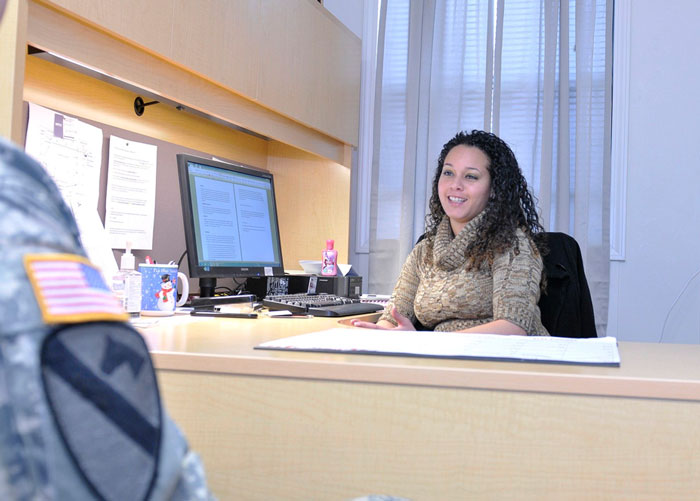
U.S. Army photo by Sgt. Brandon Banzhaf, 3rd BCT PAO, 1st Cavalry Division
An LCSW specializing in military social work might spend the morning screening combat veterans for symptoms of post-traumatic stress disorder. Lunch might mean coordinating with local social services providers on case handoffs. The afternoon brings a group counseling session for troops working through re-adjustment issues, interrupted by a call about a hospitalization after an overdose. The LCSW heads over to support the family and arrange a treatment placement.
The National Association of Social Workers recognizes multiple social work practice areas. LCSWs can work in any of them:
- Aging: Home visits, depression counseling, Alzheimer’s screening referrals, and enrollment in community support programs for older adults.
- Child Welfare: Family therapy, foster care screenings, and juvenile diversion work with youth offenders.
- Developmental Disabilities: Behavioral therapies to support independent living, plus family counseling and service coordination for people with Autism Spectrum Disorder and other developmental conditions.
- Health Care: Mental health counseling for patients adjusting to serious diagnoses, combined with case management and service coordination.
- Justice and Corrections: Therapy for individuals cycling through the criminal justice system, including re-entry support and treatment for underlying mental health and addiction issues.
- Mental Health and Clinical Social Work: Private practice, community mental health agencies, or outpatient settings, providing direct therapy and assessment.
- Mental Health and Substance Abuse: Treating addiction alongside the depression, anxiety, and trauma that often accompany it. The National Center for Drug Abuse Statistics reports over 100,000 overdose deaths annually in the U.S. in recent years.
- Occupational and EAP Social Work: Consulting with employers, counseling employees individually or in groups, and supporting people who are unemployed through both the practical and psychological dimensions of job searching.
- School Social Work: Screening for abuse and developmental issues, working with bullying situations, and coordinating between students, families, and school staff.
LCSWs also step into advocacy roles, speaking at city council hearings and organizing communities around policy issues they see daily in their caseloads. The clinical license opens the door to direct treatment. It doesn’t close the door on the broader social work mission of fighting for systemic change.
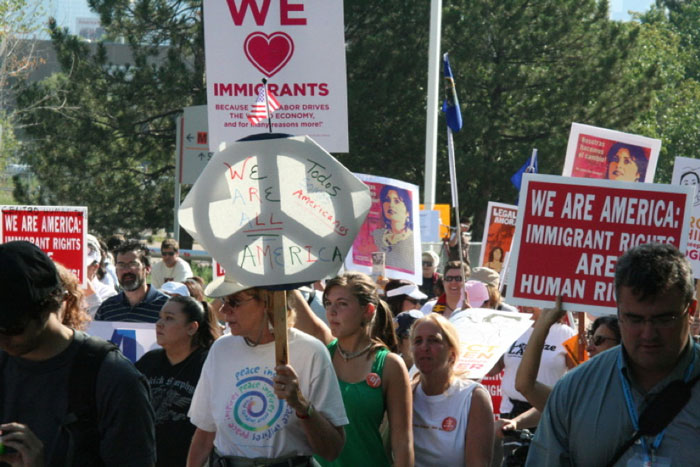
Photo by Trevor Stone from Lakewood, CO, USA, CC BY-SA 2.0, via Wikimedia Commons
The Clinical Social Work Association is the national organization that advocates for clinical social workers and their interests. One of the core lessons in this field is that individual change and systemic change aren’t separate projects. They’re the same project pursued at different scales.
The daily bread-and-butter work comes down to direct client contact: talk therapy in an office, an impromptu session at a job site, a check-in call with a homebound client. Some of those calls come after hours. Crises don’t follow business hours, and the kind of person who becomes a licensed clinical social worker already knows that going in.
The Education Requirements to Become a Licensed Clinical Social Worker
The path to LCSW licensure starts with a master’s degree, specifically a two-year Master of Social Work (MSW). You’ll need a bachelor’s degree first, but it doesn’t have to be a Bachelor of Social Work (BSW). Degrees in psychology, sociology, behavioral studies, human services, or counseling all provide solid preparation for MSW admissions.
Earning a Master of Social Work Degree
The MSW is required for LCSW licensure in every state. The two-year program breaks into a foundation year and a concentration year.
Foundation Year
The first year covers the theoretical and practical foundation every social worker needs: behavioral psychology, research methods, social policy history, macro social work practice, and clinical diagnosis and treatment. These courses build the base for more specialized work in year two.
Concentration Year
The second year lets you go deeper. You don’t have to choose a concentration, since general clinical tracks are common, but several specializations are well-suited to LCSW practice:
- Child and Family Services: Childhood development, juvenile justice, adolescent social issues, and early childhood education. Prepares you to work with kids, parents, and the systems around them.
- Behavioral Health: Practical therapies rooted in behavior analysis. Covers developmental disabilities, addiction, and anxiety or depression treatment.
- Addiction and Chemical Dependency: The science of addiction is connected to the psychology of substance use disorders, ethics, diversity issues in treatment, and legal and therapeutic policy approaches.
- Geriatric Services: Biological, neurological, and sociological studies of older adults. The 65+ population has grown rapidly over the past decade and continues to increase, making this a high-demand specialization.
Field placements during your concentration year will reflect your focus area, giving you hands-on experience in the specific populations and settings you’re heading toward.
CSWE Accreditation
Every state that licenses clinical social workers requires an MSW from a program accredited by the Council on Social Work Education (CSWE), the only recognized specialty accreditor for social work education in the U.S. More than 280 CSWE-accredited MSW programs exist across the country. Make sure yours is one of them before enrolling.
Education Costs and Loan Forgiveness
A bachelor’s degree runs $100,000 or more on average, according to National Center for Education Statistics data, though costs vary widely by program and have increased in recent years. The MSW itself averages close to $39,000 for the full two-year degree. Most LCSWs carry student loan debt. A 2013 CSWE survey found that over 80 percent of social work graduates had outstanding loan balances ranging from $31,000 to $42,000, and more recent data suggests averages are higher today.
Two federal programs can reduce that burden significantly:
- Federal Public Service Loan Forgiveness: After 120 qualifying payments while working for a government agency or an eligible nonprofit, the remaining federal loan balance is forgiven.
- National Health Service Corps Loan Repayment Program: Available to LCSWs working in underserved communities or the substance use disorder workforce, through the Health Resources and Services Administration.
Should You Pursue a Doctorate?
 The MSW is the terminal practice degree in social work. It meets licensure requirements in every state. But two doctoral options exist for LCSWs who want to go further:
- Doctor of Philosophy in Social Work (PhD): Research and theory-focused, aimed at teaching and academic careers.
- Doctor of Social Work (DSW): Practice-oriented, designed for LCSWs moving into clinical leadership or advanced therapeutic specialization.
Either takes up to five years to complete. A DSW is worth considering if you want to become a clinical supervisor, program director, or nationally recognized expert in a specialty area. It’s not required for practice, but for the right career goals, it’s a meaningful investment.
Earning Supervised Field Experience
An MSW gives you the educational foundation for licensure. It doesn’t give you the practical experience you need to work independently. That’s why every state also requires postgraduate supervised field hours, and the numbers vary considerably.
Colorado requires a minimum of 3,360 hours, with at least half involving direct client contact and 96 hours under direct supervision. Florida requires at least 1,500 hours of face-to-face psychotherapy over a minimum two-year supervised period, including 100 hours of supervision. Most states require around 3,000 hours, roughly two years of post-MSW work under a licensed supervisor.
In some states, you’ll need a provisional license to practice during the supervision period. The requirements are less stringent than the full LCSW, and the work is identical to what you’ll do once fully licensed. It’s supervised practice, not a different job. It’s how you build the instincts that no classroom can fully teach.
Passing the ASWB Clinical Exam
Alongside documented experience, every state requires a passing score on the Clinical exam from the Association of Social Work Boards (ASWB). The exam consists of 170 multiple-choice questions and is completed within 4 hours, administered online through Pearson VUE. The fee is $260.
You can only register for the exam after beginning the application process through your state licensing board, which means filing paperwork, paying fees, and typically passing a criminal background check. ASWB offers a practice exam for $85 and an exam guide for $20 to help you prepare.
Some states add a short jurisprudence exam on state-specific ethics, regulations, and scope of practice for clinical social workers. Check your state board’s requirements before assuming the ASWB exam is all you need.
Licensed Clinical Social Worker Salary and Job Outlook
The Bureau of Labor Statistics tracks licensed clinical social workers under the Mental Health and Substance Abuse Social Workers category (SOC 21-1023). According to the BLS May 2024 data, the median annual salary for this group is $60,060. The top 10 percent earn $104,130 or more per year. For a broader view of how pay compares across social work specialties and degree levels, see our social work salaries guide.
| Percentile | Annual Salary | Hourly |
|---|---|---|
| 10th percentile | $39,620 | $19.05 |
| 25th percentile | $46,550 | $22.38 |
| Median (50th) | $60,060 | $28.88 |
| 75th percentile | $78,980 | $37.97 |
| 90th percentile | $104,130 | $50.06 |
Because the BLS category includes some practitioners who aren’t LCSWs, it’s reasonable to expect that licensed clinical social workers with full independent practice authority tend toward the higher end of that range. The industries paying the most for this work include state-owned hospitals ($104,610 average annual), home health care services ($91,160), and offices of mental health practitioners ($91,090).
On the job growth side, the BLS projects 10.6 percent growth for Mental Health and Substance Abuse Social Workers between 2022 and 2032, with an average of 9,500 job openings per year nationally. That’s faster than average across all occupations.
LCSWs are also the social work credential most likely to support a private practice. Setting your own hours, choosing your client population, and focusing on a specialty area are real options once you’re licensed. Many LCSWs end up there after years in agency settings.
Frequently Asked Questions
What does LCSW stand for?
LCSW stands for Licensed Clinical Social Worker. It’s a state-issued license that authorizes the holder to provide clinical psychotherapy and independently diagnose and treat mental health conditions, in addition to the full range of traditional social work services. In some states, the same acronym stands for Licensed Certified Social Worker, which is a different role, so always check what your state’s LCSW credential actually covers.
How long does it take to become an LCSW?
Plan on four to six years after your bachelor’s degree. That includes two years of the MSW and two or more years of postgraduate supervised experience, typically 2,000 to 3,000 hours, depending on the state. The ASWB Clinical exam adds a few more weeks of preparation and scheduling. Some states allow provisional practice during the supervision period, which means you’re working and accumulating hours at the same time.
What’s the difference between an LCSW and an LMSW?
Both require a Master of Social Work degree, but the LMSW is typically an earlier-stage license that requires ongoing supervision. The LCSW is the independent practice credential that authorizes clinical diagnosis and treatment without a supervisor. In most states, LMSWs are working toward their LCSW hours and exam. Our LCSW vs. MSW comparison goes into detail on both paths.
Do all states use the LCSW title?
No. Several states use equivalent titles: LICSW (Licensed Independent Clinical Social Worker) in Massachusetts and Washington, D.C., LISW (Licensed Independent Social Worker) in Ohio, and LSCSW (Licensed Specialist Clinical Social Worker) in Kansas, among others. The scope of practice is similar across these credentials, but the specific requirements, including hours, exam, and supervisory structure, vary by state.
Can an LCSW work in private practice?
Yes, and many do. The LCSW is the social work credential that most directly supports independent clinical practice. Once licensed, you can see clients individually, bill insurance, and run your own caseload without an agency employer. It takes additional work, including managing billing and carrying your own liability insurance, but it’s one of the most flexible career paths in the field.
Key Takeaways
- LCSW means clinical authority. The license allows independent diagnosis and treatment of mental health conditions, which sets it apart from most other social work credentials.
- The path takes time. Expect four to six years beyond your bachelor’s degree: an MSW plus 2,000 to 3,000 hours of supervised postgraduate experience, then the ASWB Clinical exam.
- CSWE accreditation is non-negotiable. Every state requires an MSW from a CSWE-accredited program. Confirm accreditation before you enroll.
- The title varies by state. LICSW, LISW, LSCSW, and others may be used instead of LCSW, depending on where you practice. The scope of practice is similar, but the requirements differ.
- Job growth is strong. BLS projects 10.6% growth for this occupational category between 2022 and 2032, with roughly 9,500 annual job openings nationally.
- Salary range is wide. Median pay is $60,060 per year. The top 10 percent earn over $104,000. Setting, experience, and specialization all move the number.
Ready to find a CSWE-accredited MSW program? Use our program guides to explore accredited Master of Social Work degrees by state and find one that fits your goals.

2024 US Bureau of Labor Statistics salary and employment figures for Social Workers, Social and Human Services Assistants, Social and Community Service Managers, and Substance Abuse, Behavioral Disorder, and Mental Health Counselors, reflect state and national data, not school-specific information. Conditions in your area may vary. Data accessed April 2026.