MSW Programs in Hawaii | Master of Social Work Degree Guide
Hawaii has two CSWE-accredited MSW programs, both in Honolulu: the University of Hawaii at Manoa and Hawaii Pacific University. Earning either degree qualifies you to pursue LSW or LCSW licensure in the state. According to the Bureau of Labor Statistics, child, family, and school social workers in Hawaii earn a median salary of about $66,450 per year, and major social work specializations are projected to grow roughly 8% to 17% through 2032, depending on the field.
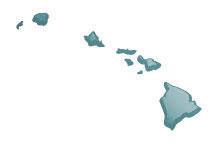 If you want to work as a licensed clinical social worker in Hawaii, an MSW is required for clinical roles and independent practice. Whether you’re drawn to child welfare on Oahu, behavioral health services on the Big Island, geriatric care in a Honolulu hospital, or supporting the state’s large military population, the graduate degree determines what roles you can hold and what populations you can serve independently. Hawaii has fewer MSW programs than most states, but the ones here are purpose-built for the islands’ communities.


Why the MSW Matters in Hawaii
Hawaii’s job market for social workers is tighter than most states simply because of geography. A smaller total population, limited employers across the islands, and genuine competition for clinical positions make credentials matter more here than in a large mainland state. State agencies, health systems, and nonprofits across the islands regularly list an MSW as a minimum qualification for clinical and supervisory roles.
There’s also the licensure path to consider. A bachelor’s degree in social work qualifies you for an LBSW in Hawaii, which opens real opportunities. But it doesn’t lead to independent clinical practice. The Licensed Clinical Social Worker credential requires an MSW plus 3,000 post-graduation supervised clinical hours and authorizes independent diagnosis and treatment of mental health conditions. If that’s your goal, the path runs directly through the master’s degree.
CSWE-Accredited MSW Programs in Hawaii
Hawaii has two CSWE-accredited MSW programs. Both are located in Honolulu and offer options for students on the neighbor islands who can’t easily commute to campus.
University of Hawaii at Manoa: Myron B. Thompson School
UH Manoa’s MSW program is the state’s only public option and has been preparing Hawaii’s social work workforce for decades. The program requires 57 credit hours and four semesters of field education (practicum), typically completed in two to three years of full-time study. Four specialization tracks align directly with the state’s workforce needs: Children and Families, Behavioral Mental Health, Health, and Gerontology.
For students on Hawaii Island, Maui, Kauai, Molokai, or Lanai, the Distance Education option delivers the full program through synchronous online classes held on weeknight evenings in Hawaii Standard Time. The program has served off-island students since 1988. An Advanced Standing track is available for applicants who hold a CSWE-accredited BSW awarded within the past seven years. Those students complete 30 credits rather than 57, typically finishing in one to two years.
Hawaii Pacific University
HPU’s MSW program is offered online and is CSWE-accredited, accessible from any island without relocation. The program emphasizes culturally responsive practice and offers two specializations after the foundation year: Global and Indigenous Social Work Practice and Military and Veterans Affairs Social Work Practice. The military track reflects HPU’s position as a university serving students connected to Hawaii’s large active-duty and veteran population. An Advanced Standing option is available for BSW graduates within the past five years.
Hawaii Social Work Licensure Tiers
After completing your MSW, you’ll pursue licensure through the Hawaii Department of Commerce and Consumer Affairs. Hawaii recognizes three license levels, each with distinct education and examination requirements.
| License | Education Required | Additional Requirements |
|---|---|---|
| Licensed Bachelor Social Worker (LBSW) | BSW from CSWE-accredited program | ASWB Bachelor’s level exam |
| Licensed Social Worker (LSW) | Typically requires an MSW from a CSWE-accredited program | ASWB Master’s level exam |
| Licensed Clinical Social Worker (LCSW) | MSW from CSWE-accredited program | ASWB Clinical exam + 3,000 supervised post-MSW clinical hours |
The LCSW is the terminal clinical credential in Hawaii. It authorizes independent practice, including the diagnosis and treatment of mental health conditions, and is required to open a private practice or serve as a clinical supervisor. For more on Hawaii’s licensure requirements and application process, see our guide to social work licensure in Hawaii.
Career Outlook and Salary in Hawaii
Social work in Hawaii is a growing field across all specialties. According to the U.S. Bureau of Labor Statistics (BLS), child, family, and school social workers in Hawaii earn a median salary of about $66,450 per year, with a mean annual wage of $68,790. That’s competitive relative to the national picture and reflects the state’s higher cost of living, as well as genuine employer demand for credentialed professionals.
BLS projections through 2032 show strong demand across specializations, with estimated job openings ranging from tens to around 100 per year, depending on the field. Healthcare social workers are projected to grow 16%, mental health and substance abuse social workers 15.1%, child, family, and school social workers 7.9%, and social and community service managers (a common career path for experienced MSW holders) at 17%.
Choosing the Right Program for Your Goals
Both UH Manoa and HPU offer strong, CSWE-accredited pathways to licensure. The right choice depends on a few practical factors. If cost is a priority, UH Manoa is Hawaii’s only public option and charges lower tuition for state residents. If you’re drawn to clinical practice with military families or indigenous communities, HPU’s specializations are directly aligned. If you live on a neighbor island and can’t relocate, both programs offer distance or online formats.
On program format: UH Manoa’s Distance Education cohorts are part-time and take three years, which works well for students who are already employed. HPU’s online format offers more scheduling flexibility for working adults. Either way, confirm that your chosen program carries active CSWE accreditation before you apply, since Hawaii requires it for both the LSW and LCSW.
Frequently Asked Questions
How long does an MSW program in Hawaii take to complete?
Traditional MSW programs in Hawaii take two to three years full-time (57 credits at UH Manoa). Advanced Standing students with a CSWE-accredited BSW can complete the degree in one to two years by waiving the foundation year coursework. Part-time options are available at both UH Manoa and HPU for students who are working while enrolled.
Can students on neighbor islands complete an MSW without moving to Oahu?
Yes. UH Manoa’s Distance Education option has served students on Hawaii Island, Maui, Kauai, Molokai, and Lanai since 1988, using synchronous online classes held on weeknights. HPU’s MSW program is offered online and accessible from any island.
What’s the difference between an LSW and an LCSW in Hawaii?
Both typically require an MSW from a CSWE-accredited program. The LSW requires passing the ASWB Master’s level exam after graduation. The LCSW additionally requires passing the ASWB Clinical exam and completing 3,000 supervised post-MSW clinical hours. The LCSW authorizes independent clinical practice, including diagnosis and treatment of mental health conditions.
Is CSWE accreditation required to get licensed in Hawaii?
Yes. Hawaii requires graduation from a CSWE-accredited MSW program for both the LSW and LCSW. If you’re considering an online program from an out-of-state university, verify CSWE accreditation before enrolling. A degree from an unaccredited program won’t qualify you for Hawaii licensure.
Key Takeaways
- Two programs, both in Honolulu: UH Manoa (Myron B. Thompson School) and Hawaii Pacific University, are Hawaii’s only CSWE-accredited MSW options, but both offer distance and online formats for neighbor island students.
- Advanced Standing shortens the timeline: BSW graduates from CSWE-accredited programs can complete the MSW in one to two years at either school, rather than the standard two to three years.
- LCSW requires post-MSW work: The clinical license requires 3,000 supervised hours after graduation, in addition to the degree and the ASWB Clinical exam.
- Strong job growth across specialties: Healthcare, mental health, and community service management roles are each projected to grow 15–17% in Hawaii through 2032 (BLS projections).
- Competitive salaries: Child, family, and school social workers in Hawaii earn a median of about $66,450 per year, according to BLS May 2024 data.
Ready to explore your options? Compare accredited programs and review state licensing requirements in our guide to social work licensure in Hawaii.
2024 US Bureau of Labor Statistics salary and employment figures for Social Workers, Social and Human Services Assistants, Social and Community Service Managers, and Substance Abuse, Behavioral Disorder, and Mental Health Counselors reflect state and national data, not school-specific information. Conditions in your area may vary. Data accessed April 2026.