Human Services Careers and Education in Massachusetts
Massachusetts is a strong state for human services employment, with demand concentrated in healthcare, child welfare, and behavioral health. Careers range from case management and social work assistant roles that require a bachelor’s degree to clinical social work and counseling positions that require a master’s. The state employs tens of thousands of workers across these occupation categories.
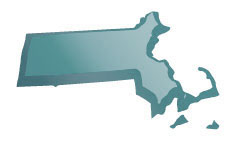
Massachusetts has one of the densest concentrations of hospitals, universities, and social service agencies in the country. Boston alone is home to major healthcare systems, dozens of community health centers, and a large network of nonprofits serving low-income residents, families in crisis, and people managing mental health or substance use challenges. The Department of Children and Families, the Department of Developmental Services, and the Executive Office of Health and Human Services together represent some of the largest employers of human services workers in the state.
If you’re figuring out which degree you need and which career path fits, the answer depends on how involved you want to be in direct clinical care. Some roles in Massachusetts are accessible with a bachelor’s degree. Others, particularly those involving independent therapy, diagnosis, or clinical supervision, require a master’s and licensure.


Careers You Can Pursue with a Bachelor’s Degree
A bachelor’s degree in social work, sociology, or psychology opens the door to a range of direct service and case management roles in Massachusetts. Many of these positions sit within state agencies or large nonprofits and serve as a practical entry point into the field.
| Role | Typical Education | Notes |
|---|---|---|
| Licensed Social Worker (LSW) | BSW or MSW plus passing the appropriate ASWB exam | Entry-level licensure in Massachusetts; see Massachusetts social work requirements for details |
| Rehabilitation Case Worker | BSW, Sociology, or Psychology | Often placed within the Massachusetts Rehabilitation Commission or vocational rehab programs |
| Community Outreach Worker | BSW, Sociology, or Psychology | Found in hospitals, community health centers, and nonprofits statewide |
| Behavioral Management Aide | BSW, Sociology, or Psychology | School systems across the state employ behavioral support staff in this role |
| Probation Officer / Juvenile Court Liaison | BSW, Sociology, Psychology, or Criminal Justice | Positions available through the Trial Court and the Department of Corrections |
| Case Management Aide | BSW, Sociology, or Psychology | DCF employs case management aides to support licensed social workers across the state |
| Substance Abuse Counselor | BSW, Sociology, or Psychology, plus state certification | Requires certification through the Massachusetts Board of Substance Addiction Counselor Certification or a relevant state authority |
Careers That Require a Master’s Degree
A master’s degree opens access to clinical and supervisory roles that bachelor’s-level credentials won’t cover. If you’re drawn to independent therapy, diagnosis, or program leadership, this is the tier where those paths begin.
| Role | Typical Education | Notes |
|---|---|---|
| Licensed Independent Clinical Social Worker (LICSW) | MSW from a CSWE-accredited program plus supervised experience | Massachusetts’s highest social work credential, required for independent clinical practice |
| Licensed Clinical Social Worker (LCSW) | MSW from a CSWE-accredited program plus supervised experience | Allows clinical work under supervision, and serves as a stepping stone to LICSW |
| Child Welfare Case Manager | MSW, MBA, Psychology, or Sociology | DCF and related agencies. May require relevant experience or supervised training, depending on the role |
| Marriage and Family Therapist | Master’s in Counseling, Psychology, or Marriage and Family Therapy | Requires separate licensure as an LMFT through the Massachusetts Board of Allied Mental Health. See Massachusetts counseling licensure for related credential paths |
| Social and Community Service Manager | MSW, MBA, Psychology, or Sociology | Program directors, agency directors, and nonprofit leadership positions |
For those who go on to earn a doctorate, additional paths open in academia, research, and independent practice. A Ph.D. or DSW can support a career in training the next generation of social workers or leading policy-level work within large agencies. Those drawn to psychology rather than social work may also want to review the Massachusetts psychology requirements.
Salaries and Job Growth in Massachusetts
According to the Bureau of Labor Statistics, median annual salaries for human services occupations in Massachusetts as of May 2024 are as follows: social workers earn a median of $70,620, substance abuse and mental health counselors earn $64,020, social and community service managers earn $86,070, and social and human services assistants earn $52,770.
The BLS projects steady growth across human services roles in Massachusetts through 2032, with consistent annual openings driven by demand and turnover. Healthcare, behavioral health, and child welfare are expected to account for the bulk of that demand.
The Path to Clinical Licensure in Massachusetts
If your goal is independent clinical practice, the credential to plan toward is the Licensed Independent Clinical Social Worker (LICSW). Getting there requires a Master of Social Work from a program accredited by the Council on Social Work Education (CSWE). Exploring MSW programs in Massachusetts is a good place to start, followed by a required period of supervised post-graduate field experience. Massachusetts has specific hour requirements that your licensing board application will need to document.
It’s worth choosing your master’s program with that endpoint in mind. Not all graduate programs offer the same concentration in clinical coursework, and field placement quality varies. Programs that carry CSWE accreditation meet the baseline standard, but if clinical licensure is the goal, look closely at how the program structures its clinical track.
For a full breakdown of what Massachusetts requires for each license tier, from LSW through LICSW, visit our Massachusetts social work licensing guide.
Frequently Asked Questions
What degree do I need to start a human services career in Massachusetts?
A bachelor’s degree in social work, sociology, or psychology is enough to qualify for many entry-level roles, including case management aides, community outreach workers, and behavioral management positions. For the Licensed Social Worker (LSW) credential in Massachusetts, you’ll need to pass the appropriate ASWB exam after earning your degree. Clinical roles and independent practice require a master’s degree and additional supervised hours.
What is the difference between an LICSW and an LCSW in Massachusetts?
Both credentials require an MSW and supervised experience. The Licensed Clinical Social Worker (LCSW) allows clinical practice under supervision, while the Licensed Independent Clinical Social Worker (LICSW) allows fully independent practice, including the ability to diagnose mental health conditions and run a private practice. The LICSW requires more supervised hours and is the higher credential of the two.
How long does it take to become a licensed clinical social worker in Massachusetts?
Realistically, plan for six to eight years from the start of an undergraduate program. A bachelor’s degree takes four years, followed by a two-year MSW program. After that, Massachusetts requires a period of post-graduate supervised clinical hours before you’re eligible to apply for LICSW licensure. The supervised experience phase typically takes two to three years, depending on employment and how hours accumulate.
What are the largest employers of human services workers in Massachusetts?
The state’s Executive Office of Health and Human Services and its constituent agencies, including the Department of Children and Families and the Department of Developmental Services, are among the largest. Major healthcare systems, including Massachusetts General Hospital, Dana-Farber, and Partners Healthcare, also employ significant numbers of clinical social workers. Community health centers, substance use treatment programs, and nonprofits serving homeless and low-income populations represent another large segment of employers.
Key Takeaways
- Bachelor’s degrees open real doors. A BSW or related degree qualifies you for case management, outreach, and behavioral support roles across state agencies and nonprofits in Massachusetts.
- A master’s degree is required for clinical practice. LICSW and LCSW licensure both require an MSW from a CSWE-accredited program plus supervised post-graduate hours.
- Salaries are competitive. Massachusetts social workers earn a median of $70,620, and community service managers earn $86,070 annually, according to BLS May 2024 data.
- Job growth is steady across all categories. The BLS projects consistent growth through 2032, with healthcare, social work, and behavioral health driving much of the demand.
- Massachusetts has a specific licensure pathway. The LICSW is the top clinical credential in the state. Understanding the full tier from LSW through LICSW helps you plan your education accordingly.
Planning your next step in Massachusetts? Explore what each degree level and license tier requires before you choose a program.
2024 US Bureau of Labor Statistics salary and employment figures for Social Workers, Social and Human Services Assistants, Social and Community Service Managers, and Substance Abuse, Behavioral Disorder, and Mental Health Counselors, reflect state and national data, not school-specific information. Conditions in your area may vary. Data accessed April 2026.