Substance Abuse Counselor Certification in Alabama
To become a certified substance abuse counselor in Alabama, you choose between two recognized pathways: the AAAP (a NAADAC affiliate) or the AADAA (Alabama-specific). Both require completing education hours in addiction counseling, supervised work experience, and passing a certification exam. Alabama also offers QSAP recognition through the state Department of Mental Health.
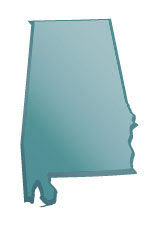
Substance use disorders affect hundreds of thousands of Alabamians. The counselors who work alongside them in detox facilities, outpatient clinics, and community mental health centers need a clear credential to do that work professionally. If you’re still exploring the role itself, our overview of what substance abuse counselors do is a good starting point. Alabama’s certification process gives you two legitimate pathways, and the right one depends on where you’re starting and where you want to take your career.
Neither path is a shortcut. Both require real education, real supervised hours, and a written exam. But both will qualify you to work as a substance abuse counselor anywhere in Alabama.


Two Pathways to Substance Abuse Counselor Certification in Alabama
Alabama recognizes two separate professional organizations for substance abuse counselor certification. The first is the Alabama Association of Addiction Professionals (AAAP), which operates through the Alabama Association of Addiction Counselors Certification Board (AAACCB). AAAP is a NAADAC affiliate, and its Certified Addiction Counselor (CAC) credential offers multi-state portability through NAADAC agreements. This is a separate system from IC&RC, which applies to other credential tracks.
The second is the Alabama Alcohol and Drug Abuse Association (AADAA), which issues several credential levels tailored to different stages of a counselor’s career. The Alabama Department of Mental Health recognizes both organizations, and both will qualify you to practice in the state. Some counselors eventually hold credentials from both organizations to maximize their options.
| Credential | Issuing Organization | Education Hours | Work Experience | Multi-State Recognition |
|---|---|---|---|---|
| CAC (Certified Addiction Counselor) | AAACCB / NAADAC affiliate | 270 hrs (170 with bachelor’s degree) | 2 years full-time SUD experience | Yes (NAADAC/NCC AP) |
| AAP (Associate Addiction Professional) | AADAA | 140 hrs | 2,000 hours supervised | No |
| ADC (Alcohol and Drug Counselor) | AADAA | 300 hrs | 2,000 hours supervised | Yes (IC&RC ADC exam) |
| AADC (Advanced Alcohol and Drug Counselor) | AADAA | 180 hrs (advanced content) | Additional experience required | Yes (IC&RC AADC exam) |
If you’re planning to practice outside Alabama at some point, the CAC or the ADC/AADC is worth the additional investment. The AAP is a solid starting point if you’re focused on Alabama and want a faster route to your first credential.
Education Requirements
Every certification pathway requires completing education hours that address the 12 core functions of addiction counseling. Those core functions cover screening and assessment, treatment planning, counseling, case management, referral, and professional and ethical responsibilities, among others. Your coursework must cover all of them.
For the CAC through AAACCB, you’ll need 270 hours of relevant training, or 170 hours if you already hold a bachelor’s degree in a related field like psychology, social work, or counseling. For the AAP entry level through AADAA, 140 hours meet the threshold. The ADC and CAADP tracks require 300 hours. Regardless of pathway, all certifications require at least 4 hours of HIV/AIDS education and 6 hours of ethics training within your total hours.
A degree isn’t required at the entry level, but earning a bachelor’s in a behavioral health field reduces your required training hours and strengthens your application considerably. It’s also necessary for QSAP II recognition, which many Alabama employers require. For a broader look at the field, see our guide to counseling career paths across human services.
Supervised Work Experience
Every certification level requires documented supervised hours in an actual substance use disorder treatment setting. For most pathways, that means 2,000 hours of supervision by a Certified Clinical Supervisor (CCS).
Your hours accumulate in real environments: detox facilities, residential programs, outpatient clinics, or community mental health centers. Your supervisor evaluates your competency across the 12 core functions as you go and provides regular feedback. At full-time (40 hours per week), you complete the 2,000-hour requirement in roughly a year. Part-time takes longer, but many Alabama treatment facilities offer counselor-in-training programs designed to help candidates build hours while working.
Passing the Certification Exam
After completing your education and supervised hours, you’ll take a written examination. The specific exam depends on the credential you’re pursuing.
CAC candidates through AAACCB take the NCC AP (National Certified Counselor) exam, administered by NAADAC. AAP candidates through AADAA take a state-administered exam. The current fee is approximately $175, but verify with AADAA directly as fees are subject to change. ADC and CAADP candidates take the IC&RC Alcohol and Drug Counselor exam. AADC candidates take the IC&RC Advanced Alcohol and Drug Counselor exam. Study materials, candidate guides, and practice exams are available through the IC&RC website for all applicable tracks. NAADAC membership is required for the AAACCB/CAC pathway at the time of application.
QSAP Recognition Through the Alabama Department of Mental Health
Beyond professional certification, Alabama offers a separate designation, the Qualified Substance Abuse Professional (QSAP), issued by the Alabama Department of Mental Health. This isn’t something you apply for yourself. Your employer submits the application on your behalf once you’ve met the credential requirements.
QSAP II recognition requires a bachelor’s degree plus CAC certification, making the degree worth pursuing if you want to work in Medicaid-funded treatment settings. QSAP I is an advanced designation tied to higher-level licensure. Many Alabama treatment facilities require QSAP status for employment, so it’s worth understanding how it connects to whichever certification path you choose before you start. If you’re also considering the behavioral health field more broadly, our overview of the Alabama psychology license covers a parallel path worth knowing about.
Renewing Your Certification
Alabama substance abuse counselor certifications must be renewed every two years. Renewal requires 20 hours of continuing education approved by your certifying organization. The renewal fee through AAACCB is approximately $100 for the two years. Confirm current fees with the board directly, as these are subject to change.
If you want to attend a training or seminar not already on your board’s approved list, request pre-approval before attending. The Alabama Association of Addiction Counselors can authorize those hours in advance so they count toward your renewal without any issues when you submit your paperwork.
Salary and Job Outlook for Alabama Substance Abuse Counselors
According to the Bureau of Labor Statistics, substance abuse, behavioral disorder, and mental health counselors in Alabama earned a median annual salary of $48,880 as of May 2024. The mean annual wage was $52,120. Salaries range from around $35,940 at the 10th percentile up to $73,050 at the 90th percentile, depending on experience, setting, and credentials. Approximately 3,340 counselors work in this occupation across the state.
Nationally, the median annual wage for this occupation was $59,190, so Alabama currently runs below the national midpoint. That gap narrows for counselors with advanced credentials, clinical supervision responsibilities, or positions within larger healthcare systems.
In the context of the job growth, Alabama projects 7.8% growth in mental health and substance abuse social workers between 2022 and 2032, with an average of 120 job openings per year in that category. Demand for addiction counseling services continues to grow as opioid and substance use treatment needs remain high across the state.
Frequently Asked Questions
Do I need a degree to become a certified substance abuse counselor in Alabama?
A degree isn’t required for entry-level certification. The AAP, through AADAA, allows candidates to qualify with a high school diploma or GED plus the required education hours. However, a bachelor’s degree in a related field reduces the training hours required for the CAC credential. It is effectively required for QSAP II recognition, which many Alabama employers expect before hiring.
What is the difference between the AAAP and AADAA certification pathways?
AAAP, through AAACCB, is a NAADAC affiliate that issues the CAC credential with multi-state portability through NAADAC agreements. AADAA is Alabama-specific and offers multiple levels, including the entry-level AAP and the more advanced ADC and AADC, which use IC&RC exams and offer IC&RC-based reciprocity. The Alabama Department of Mental Health recognizes both. The main deciding factors are whether you expect to practice in other states and how quickly you want to earn your first credential.
How long does it take to get certified as a substance abuse counselor in Alabama?
Most candidates take two to four years in total. Education requirements (140 to 300 hours, depending on the credential) can often be completed in 6 to 12 months through a certificate program or degree coursework. The supervised experience requirement of 2,000 hours takes roughly one year full-time or two years part-time. Add time for exam prep and application processing once all hours are complete.
What is QSAP, and do I need it to work in Alabama?
QSAP stands for Qualified Substance Abuse Professional, a designation from the Alabama Department of Mental Health. Your employer applies on your behalf after you’ve met the requirements, and you don’t apply directly. QSAP II, which requires a bachelor’s degree and CAC certification, is required by many Alabama treatment facilities, particularly those operating in Medicaid-funded settings.
What does a substance abuse counselor earn in Alabama?
BLS data from May 2024 shows a median annual salary of $48,880 for substance abuse, behavioral disorder, and mental health counselors in Alabama. The range runs from about $35,940 at the lower end to $73,050 for the top 10% of earners. The national median for this occupation is $59,190.
Key Takeaways
- Two certification pathways are recognized in Alabama. AAAP/AAACCB issues the CAC credential with NAADAC portability; AADAA offers multiple levels, including AAP, ADC, and AAD, C, with IC&RC reciprocity.
- All pathways require supervised experience. Expect approximately 2,000 hours in a licensed substance use disorder treatment setting under a Certified Clinical Supervisor.
- A bachelor’s degree opens more doors. It’s not required at the entry level, but it reduces education hour requirements and is needed for QSAP II recognition, which many Alabama employers require.
- Every credential requires a written exam. CAC candidates take the NCC AP exam through NAADAC. ADC and AADC candidates use IC&RC exams.
- The median salary in Alabama is $48,880. That’s below the national median of $59,190, with top earners reaching $73,050, per BLS May 2024 data.
Ready to explore your options? Compare accredited addiction counseling and behavioral health programs that can help you meet Alabama’s education requirements.
2024 US Bureau of Labor Statistics salary and employment figures for Social Workers, Social and Human Services Assistants, Social and Community Service Managers, and Substance Abuse, Behavioral Disorder, and Mental Health Counselors, reflect state and national data, not school-specific information. Conditions in your area may vary. Data accessed April 2026.